 Image 1 of 1
Kole Striped Tang
from $136.95
sold out
Common Name: Kole Striped Tang (Yellow Eye Kole Tang)
Scientific Name: Ctenochaetus strigosus
Care Level: Intermediate
Temperament: Semi-peaceful
Adult Size: Approximately 7 inches
Minimum Tank Size: 75 gallons
Reef Safe: Yes
Diet: Herbivore / Detritivore
Marine algae, nori, spirulina-based foods, vegetable-rich pellets and flakes
Activity Level: Active swimmer and constant grazer
Also known as Yellow Eye Kole Tang
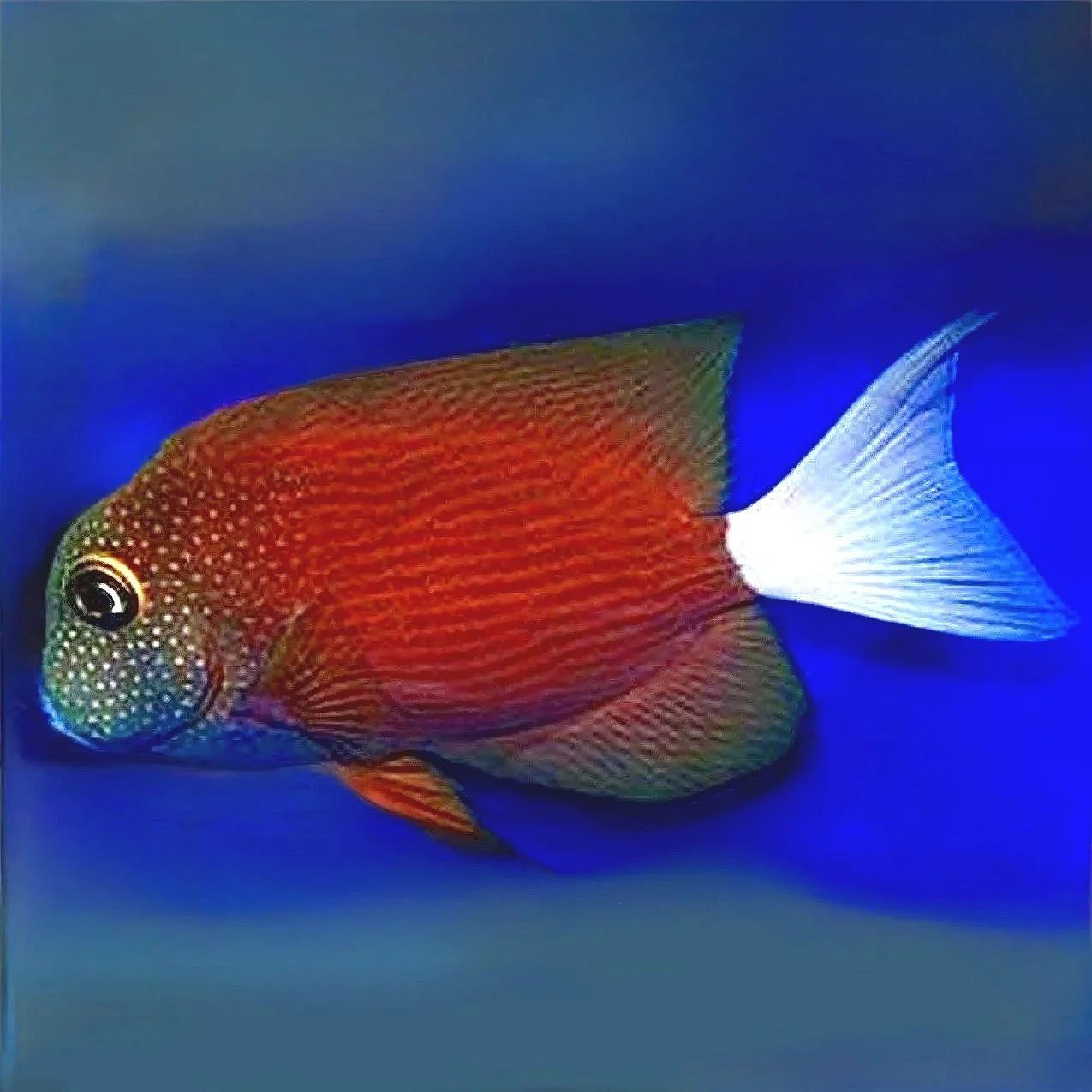
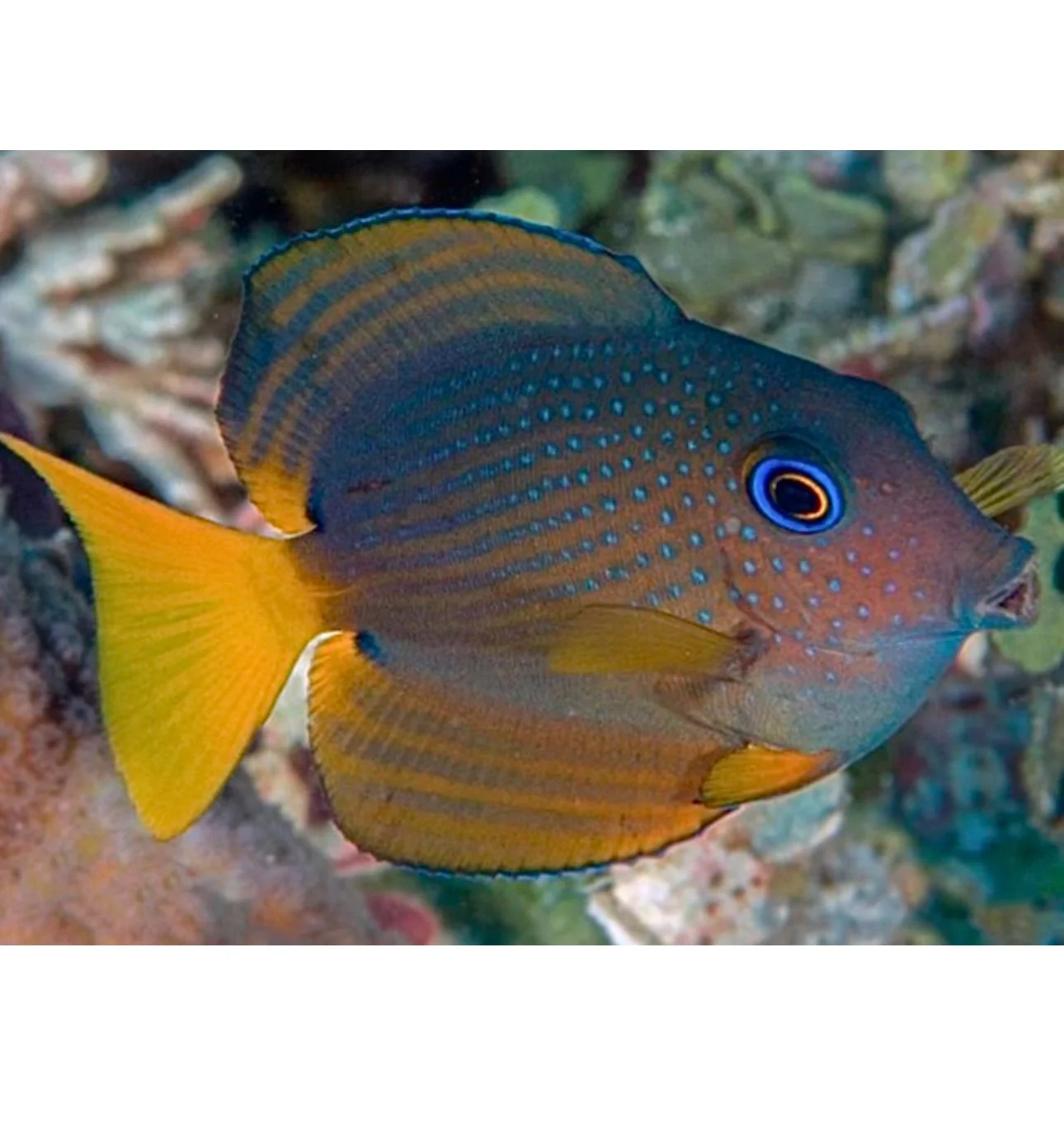
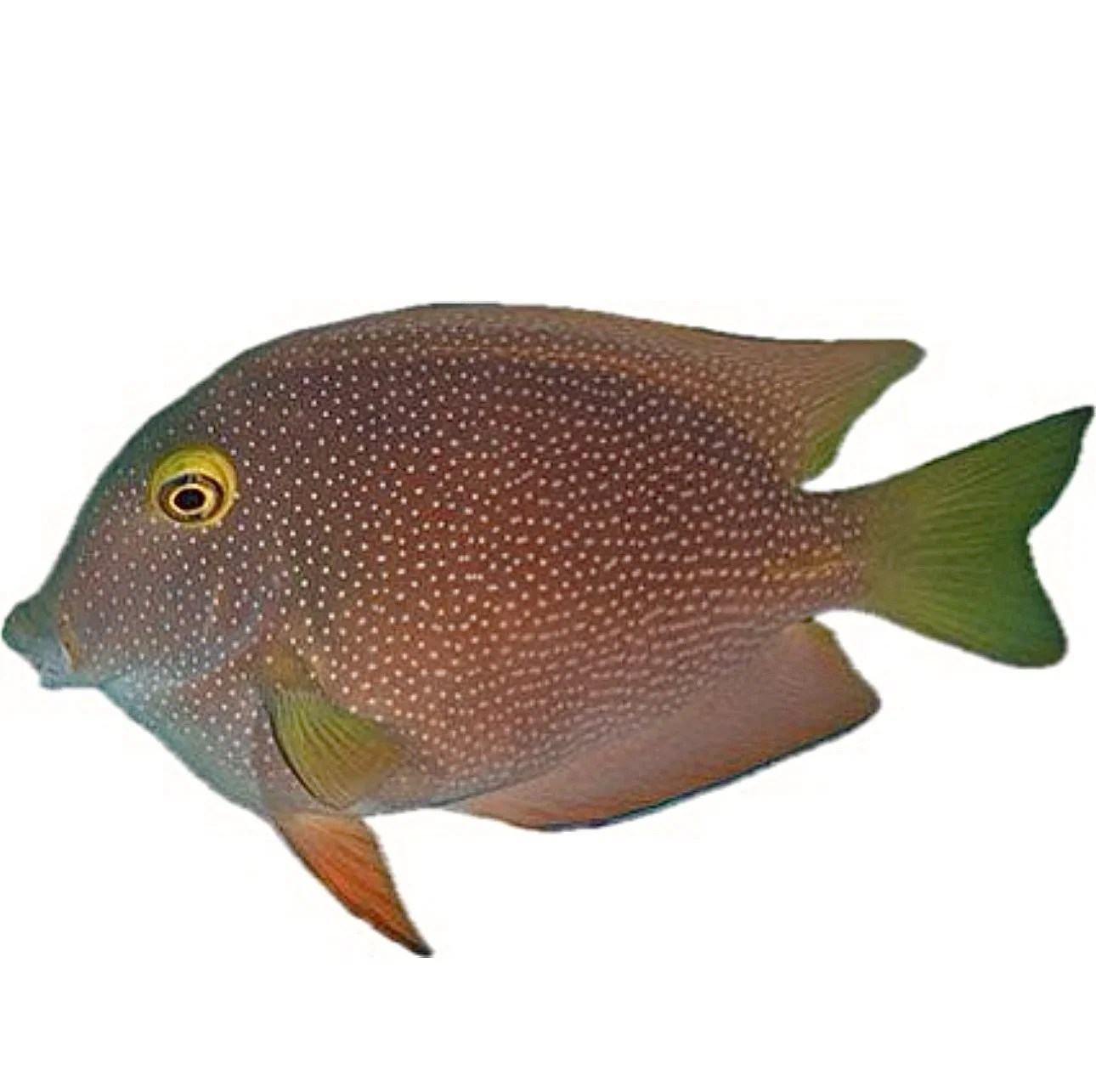
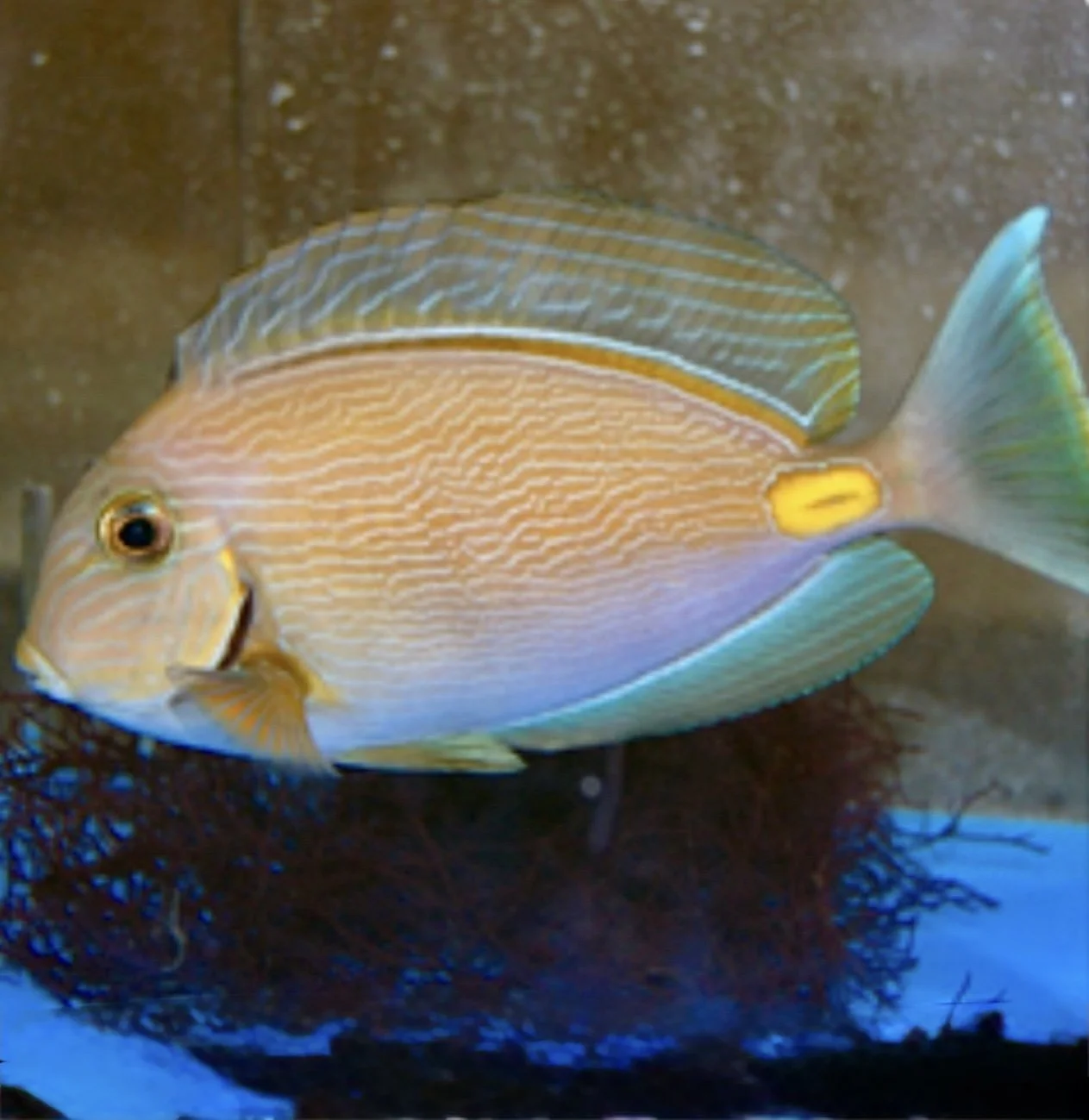
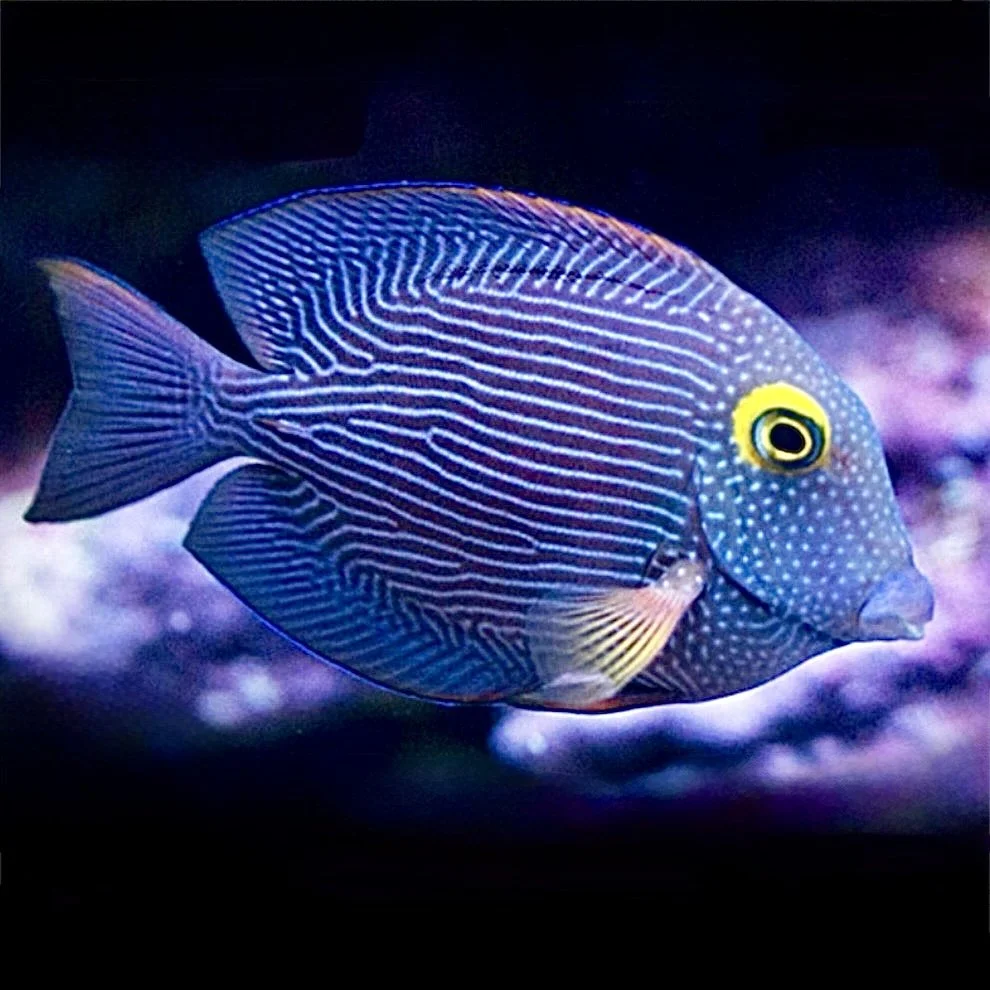
The Kole Striped Tang is a highly recognizable bristletooth tang admired for its fine horizontal striping, warm brown to olive body coloration, and bright yellow eye that gives the species its popular nickname. The subtle pin-striped pattern across the body adds texture and visual interest without being overpowering, making this fish a refined addition to reef aquariums.
As a bristletooth tang, the Kole Striped Tang is an excellent grazer. It spends much of the day actively picking at rockwork and aquarium surfaces, feeding on film algae and detritus. This constant grazing behavior makes it both visually engaging and beneficial for overall tank cleanliness.
Compared to many other tang species, the Kole Striped Tang is generally more peaceful and adaptable. It is well suited for community reef aquariums when provided with sufficient swimming space, established rockwork, and a consistent feeding routine. Its calm temperament and manageable adult size make it one of the most popular tangs for reef systems.
Reef safe and compatible with corals and invertebrates, the Kole Striped Tang thrives in stable, mature aquariums where it can exhibit natural foraging behavior and remain active throughout the day.
The Kole Striped Tang thrives in reef aquariums with mature live rock, stable water parameters, and ample grazing surfaces. A varied, algae-focused diet is important for long-term health. While generally peaceful, it may show territorial behavior toward other bristletooth tangs in smaller systems, so tank size and stocking order should be considered.
Common Name: Kole Striped Tang (Yellow Eye Kole Tang)
Scientific Name: Ctenochaetus strigosus
Care Level: Intermediate
Temperament: Semi-peaceful
Adult Size: Approximately 7 inches
Minimum Tank Size: 75 gallons
Reef Safe: Yes
Diet: Herbivore / Detritivore
Marine algae, nori, spirulina-based foods, vegetable-rich pellets and flakes
Activity Level: Active swimmer and constant grazer
Also known as Yellow Eye Kole Tang
The Kole Striped Tang is a highly recognizable bristletooth tang admired for its fine horizontal striping, warm brown to olive body coloration, and bright yellow eye that gives the species its popular nickname. The subtle pin-striped pattern across the body adds texture and visual interest without being overpowering, making this fish a refined addition to reef aquariums.
As a bristletooth tang, the Kole Striped Tang is an excellent grazer. It spends much of the day actively picking at rockwork and aquarium surfaces, feeding on film algae and detritus. This constant grazing behavior makes it both visually engaging and beneficial for overall tank cleanliness.
Compared to many other tang species, the Kole Striped Tang is generally more peaceful and adaptable. It is well suited for community reef aquariums when provided with sufficient swimming space, established rockwork, and a consistent feeding routine. Its calm temperament and manageable adult size make it one of the most popular tangs for reef systems.
Reef safe and compatible with corals and invertebrates, the Kole Striped Tang thrives in stable, mature aquariums where it can exhibit natural foraging behavior and remain active throughout the day.
The Kole Striped Tang thrives in reef aquariums with mature live rock, stable water parameters, and ample grazing surfaces. A varied, algae-focused diet is important for long-term health. While generally peaceful, it may show territorial behavior toward other bristletooth tangs in smaller systems, so tank size and stocking order should be considered.