

 Image 1 of 3
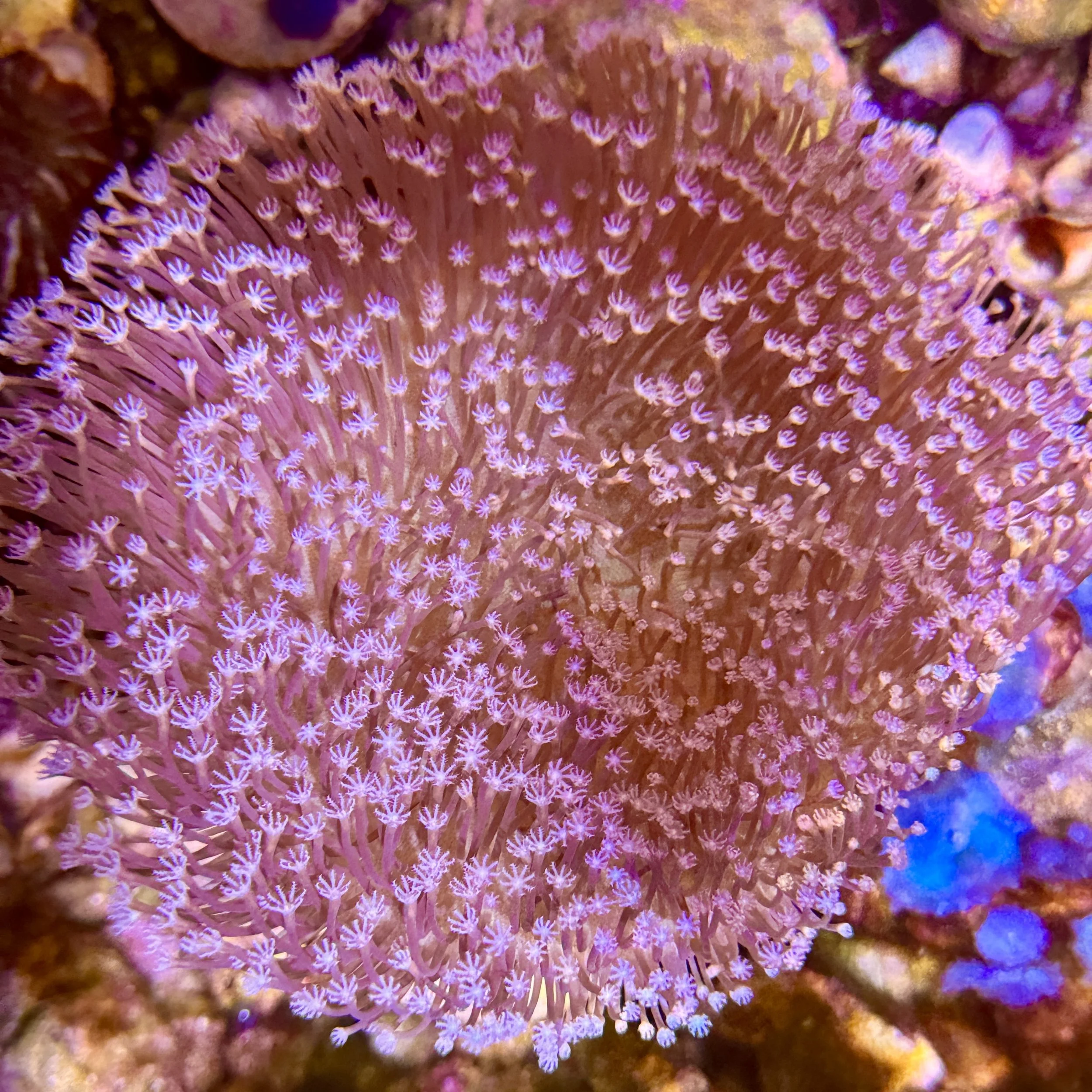 Image 2 of 3
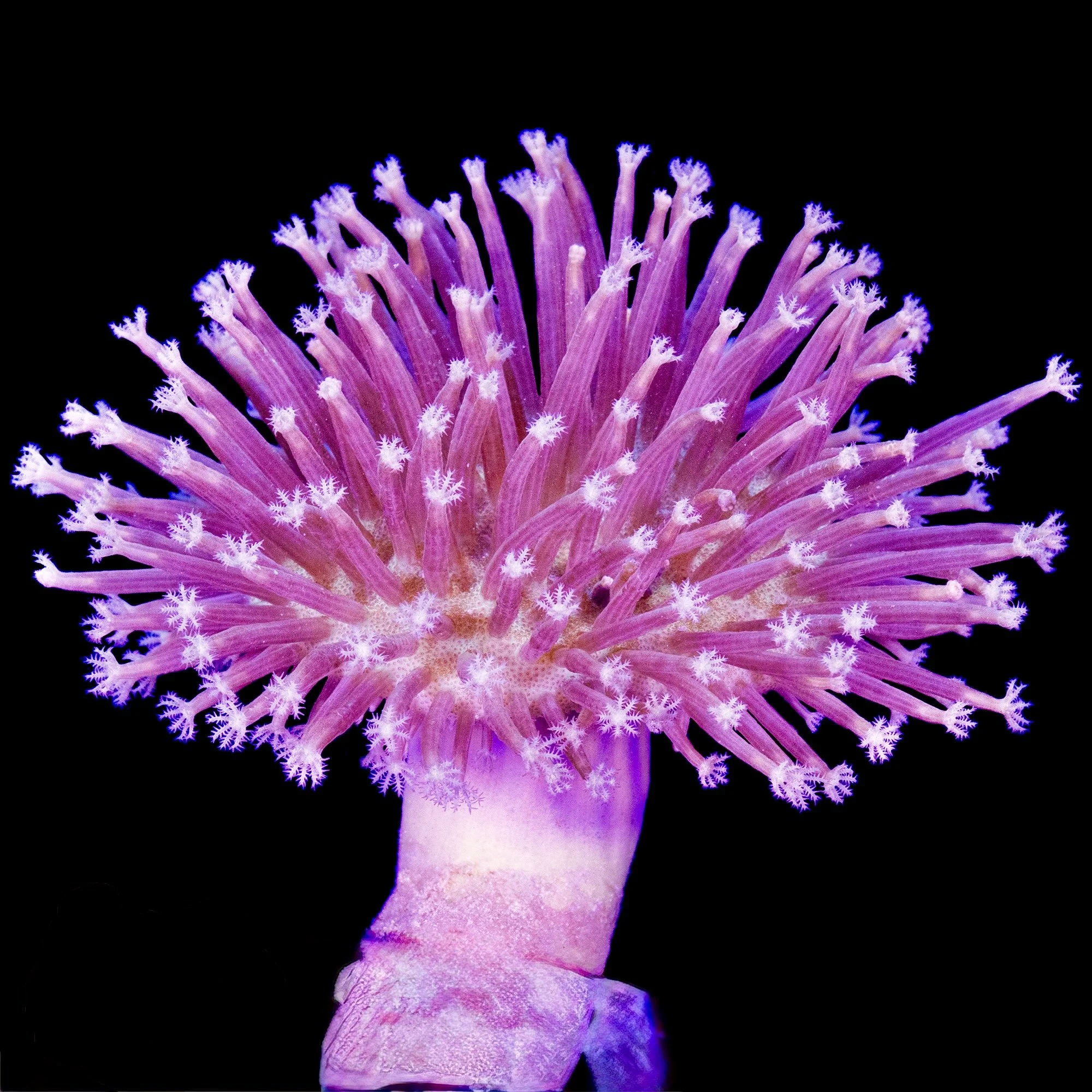 Image 3 of 3
Soft Corals – Hardy, Beautiful Corals that Bring Movement to Your Reef
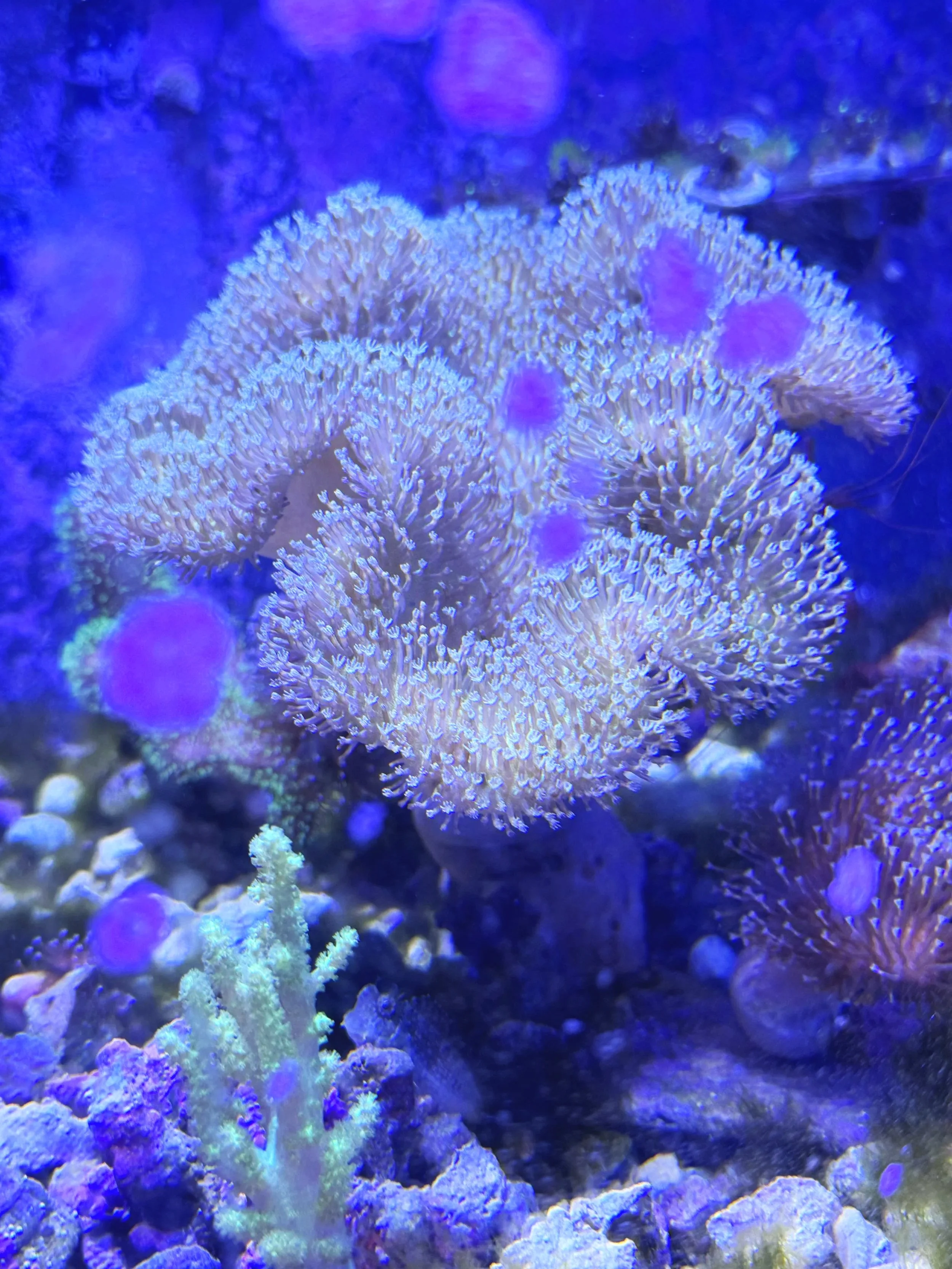
Soft corals are some of the most peaceful and beginner-friendly corals you can add to a saltwater aquarium. Instead of having a hard skeleton like stony corals, their bodies are soft and flexible, which allows them to sway beautifully in the water—almost like underwater plants. Soft corals bodies are made up of flexible tissues supported by tiny structures called sclerites, which give them a soft but slightly firm texture. Because they lack rigid skeletons, soft corals can bend and flow with the currents, creating a natural, swaying motion that instantly brings a reef tank to life.
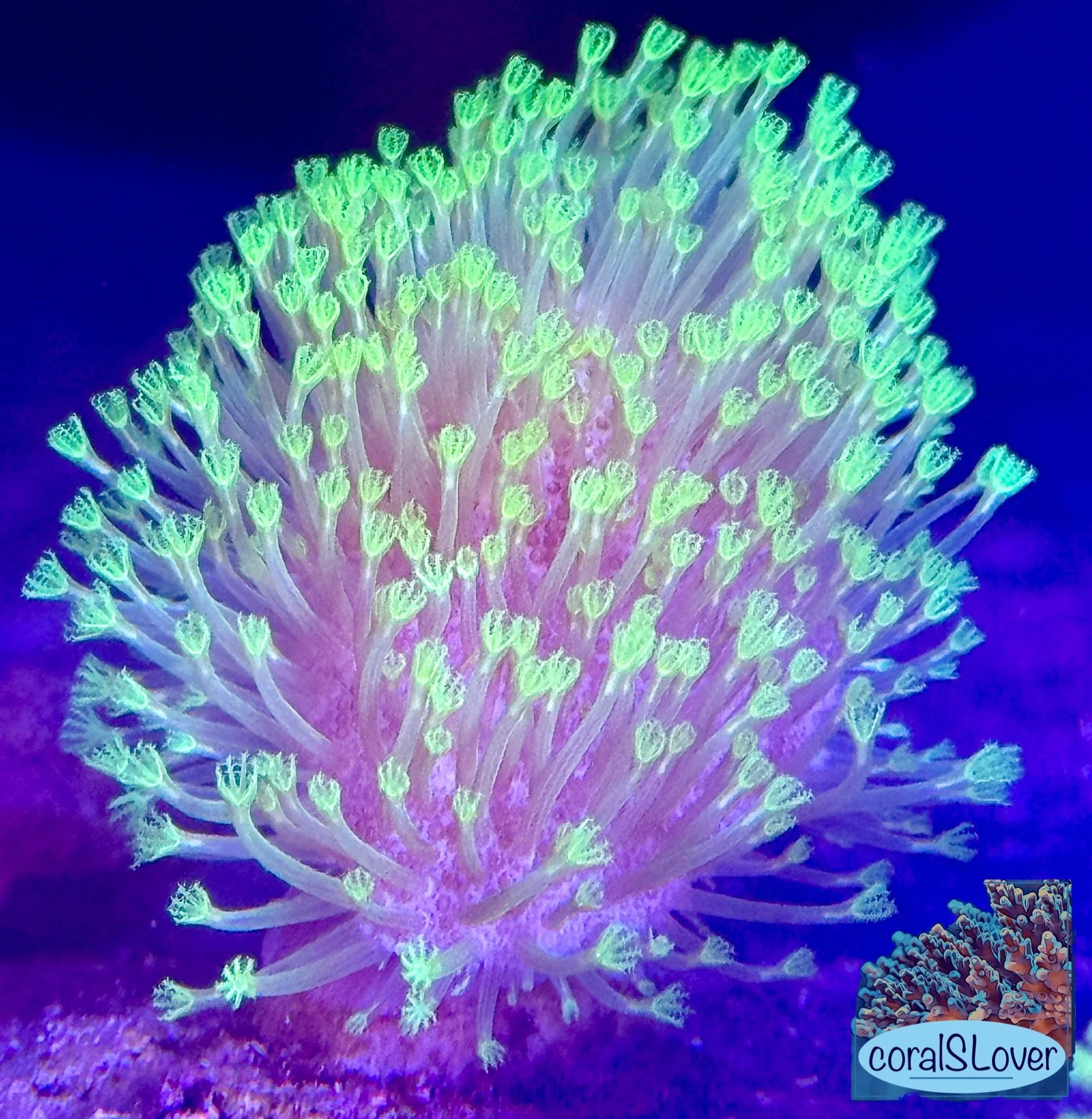
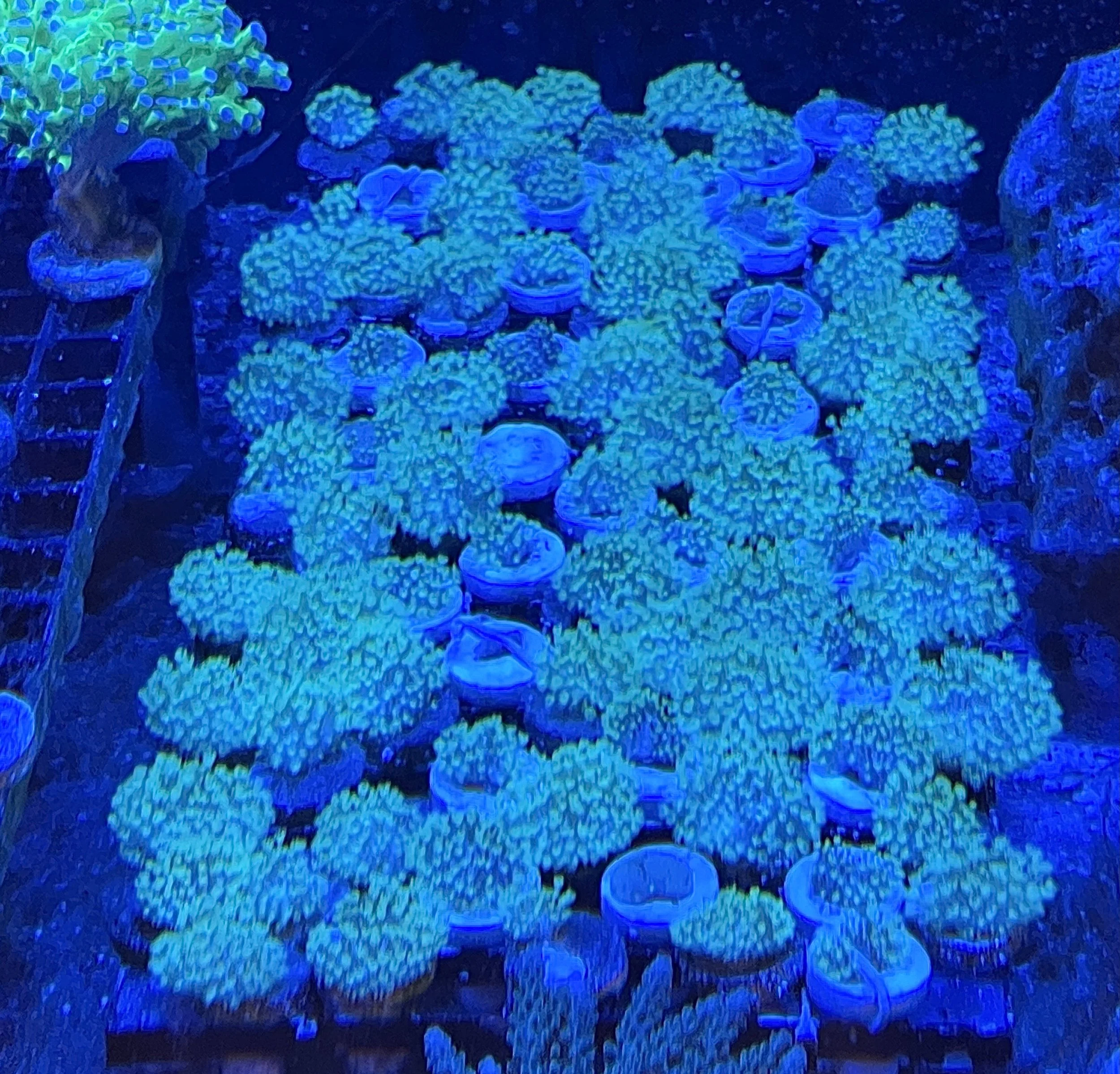
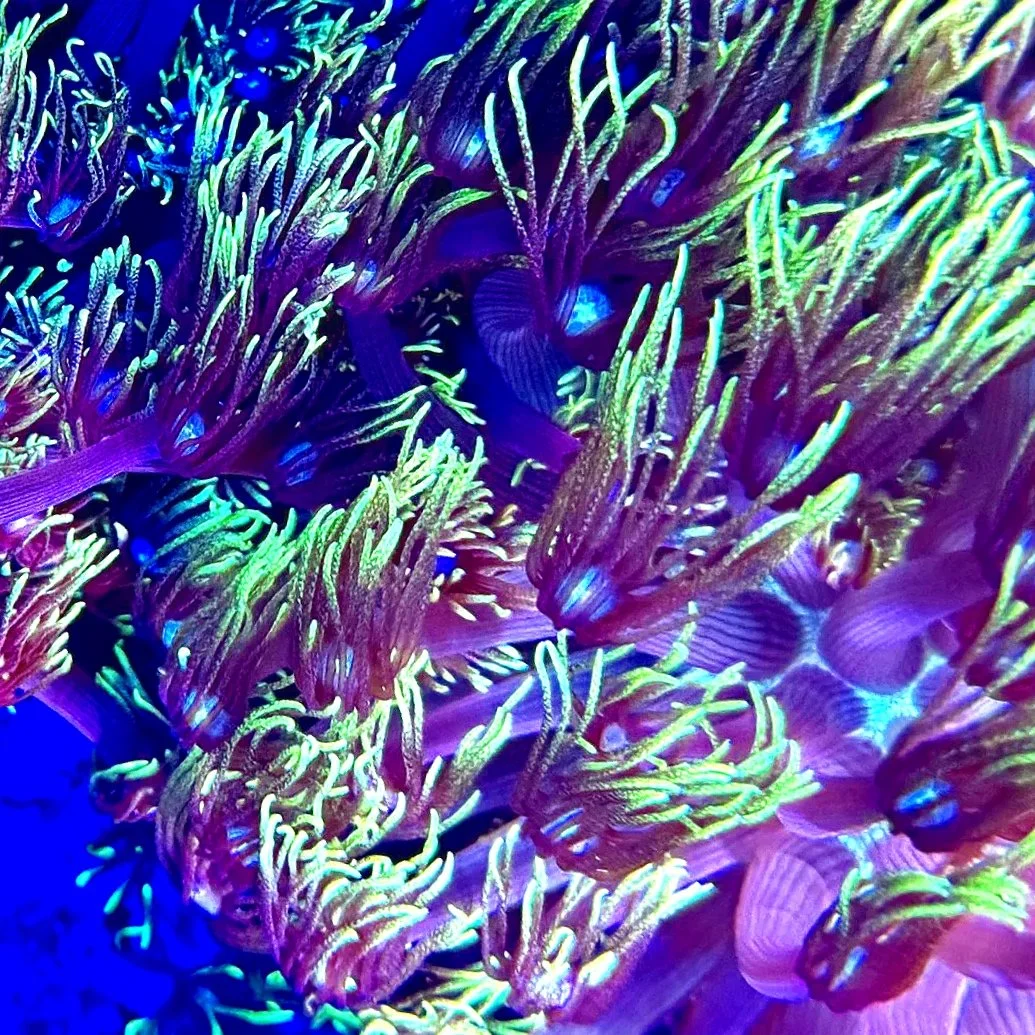
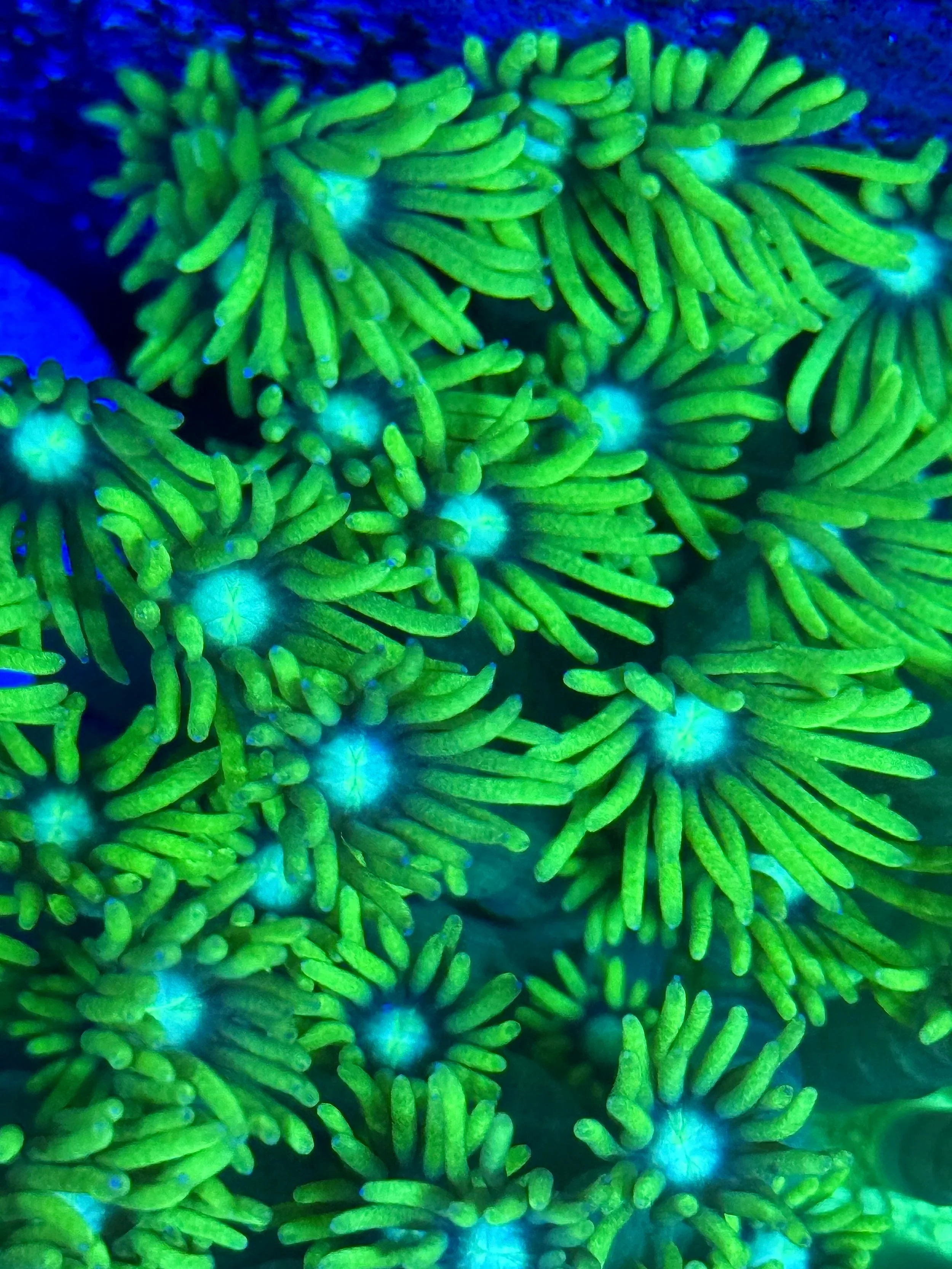
These corals come in many forms and personalities. Some, like Pulsing Xenia, have polyps that open and close rhythmically, creating a mesmerizing pulsing effect without any external help. Others, like Clove Polyps, grow into star-shaped mats that wave gently, while Leather Corals often take on mushroom, toadstool, or cabbage-like shapes, adding structure and movement at the same time. Green Star Polyps (GSP) are famous for growing over rocks and back walls, forming vibrant green carpets that shimmer under blue light.
Unlike stony corals, soft corals don’t require intense light or pristine ultra-low nutrient conditions. They are hardy, forgiving, and adaptable, which makes them excellent for beginners—but they’re also loved by advanced aquarists for the natural “reef feel” they bring to a tank. They thrive under moderate lighting and medium to strong water flow, which helps keep their tissues clean and enhances their signature motion. Most rely on their symbiotic algae (zooxanthellae) for energy, but they also benefit from a bit of nutrient in the water and occasional feedings to support faster growth and stronger colors.
Soft corals grow by spreading, either through encrusting over rocks or by branching and budding new polyps. This makes them excellent for covering empty spaces and creating lush, flowing gardens. However, because they can spread quickly, it’s wise to give them room to expand or trim them back occasionally to keep your reef balanced.
At coralSLover®, we offer a carefully curated collection of aquacultured Soft Corals, sustainably grown in controlled systems to adapt well to home aquariums. From gentle, waving colonies to glowing carpets of polyps, soft corals bring texture, motion, and natural beauty to any reef tank. Whether you’re starting your first saltwater aquarium or adding depth to a mature system, soft corals are the always perfect choice.
Care at a Glance – Soft Corals
Lighting: Low to moderate lighting is generally sufficient. Soft corals thrive under a range of conditions, with many showing their best coloration under balanced or slightly blue spectrum lighting.
Flow: Moderate, indirect water movement helps keep tissue clean and encourages natural swaying motion. Avoid overly strong flow that can cause the polyps to retract or tear.
Placement: Flexible placement — mid to lower rockwork or areas with steady but gentle flow work best. Many soft corals can adapt well to different areas of the tank as they grow and spread.
Water Quality: Stable, clean water with moderate nutrients supports healthy growth. Soft corals are often more forgiving than SPS or LPS but still benefit from regular maintenance and stability.
Feeding: Primarily photosynthetic, but may benefit from occasional broadcast feeding of fine particulate foods to support faster growth and polyp extension.
Difficulty: Beginner friendly and adaptable, making them excellent starter corals. They can thrive in a wide range of reef conditions with consistent care.
Sustainability: Fully aquacultured, zero wild collection — responsibly propagated for long-term aquarium success.