 Image 1 of 2
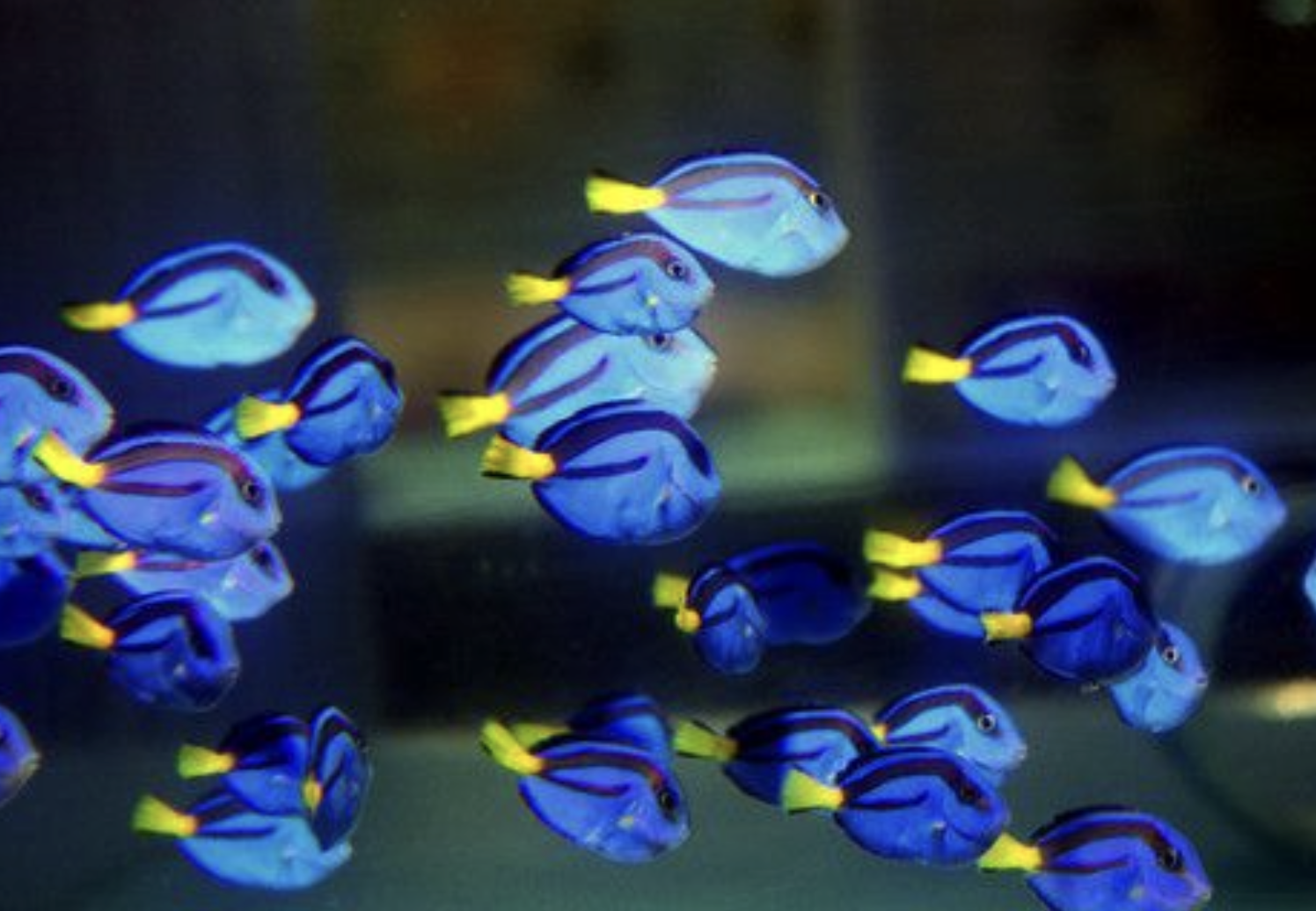 Image 2 of 2
Blue Hippo Tang Fish
from $139.95
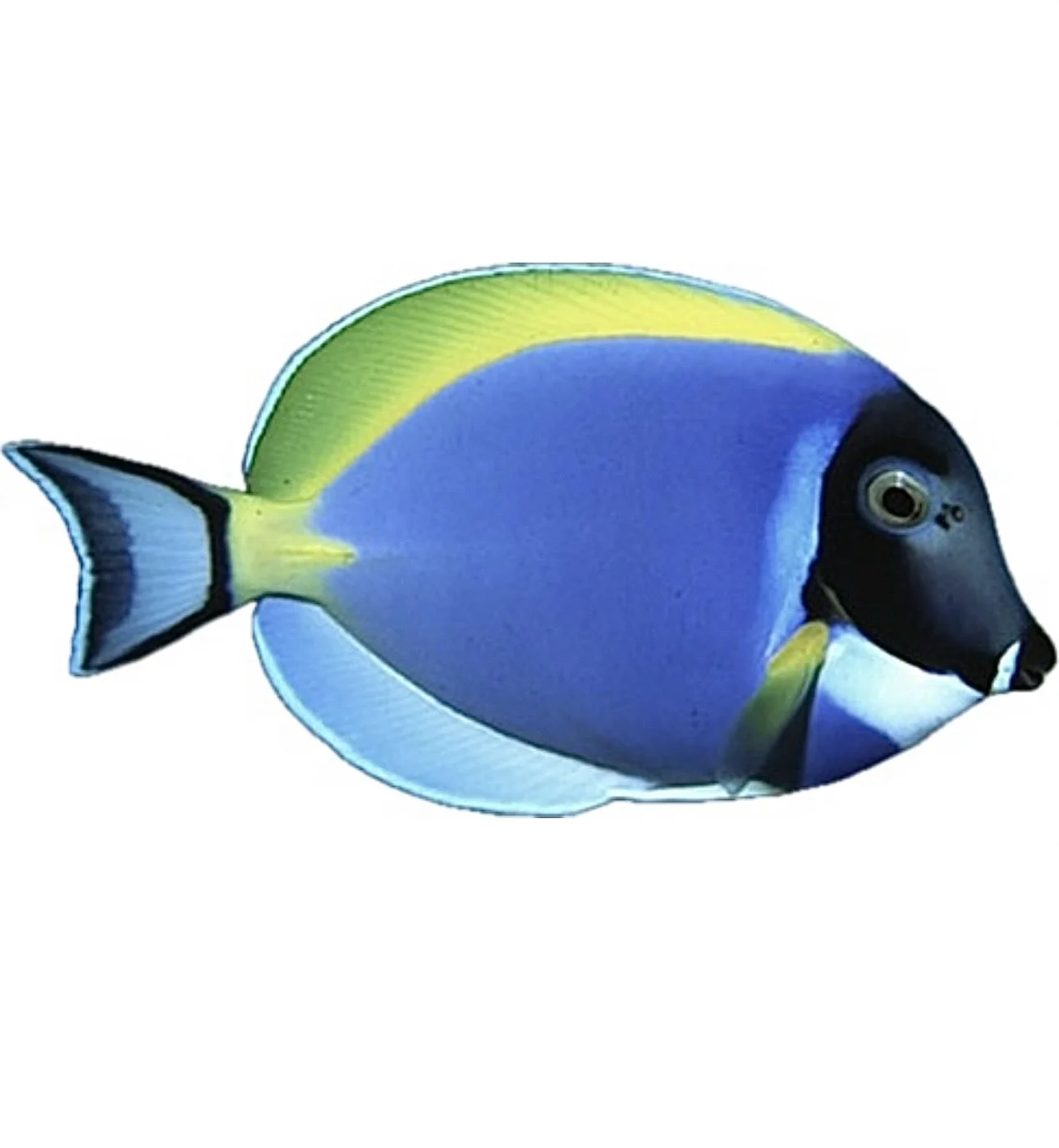
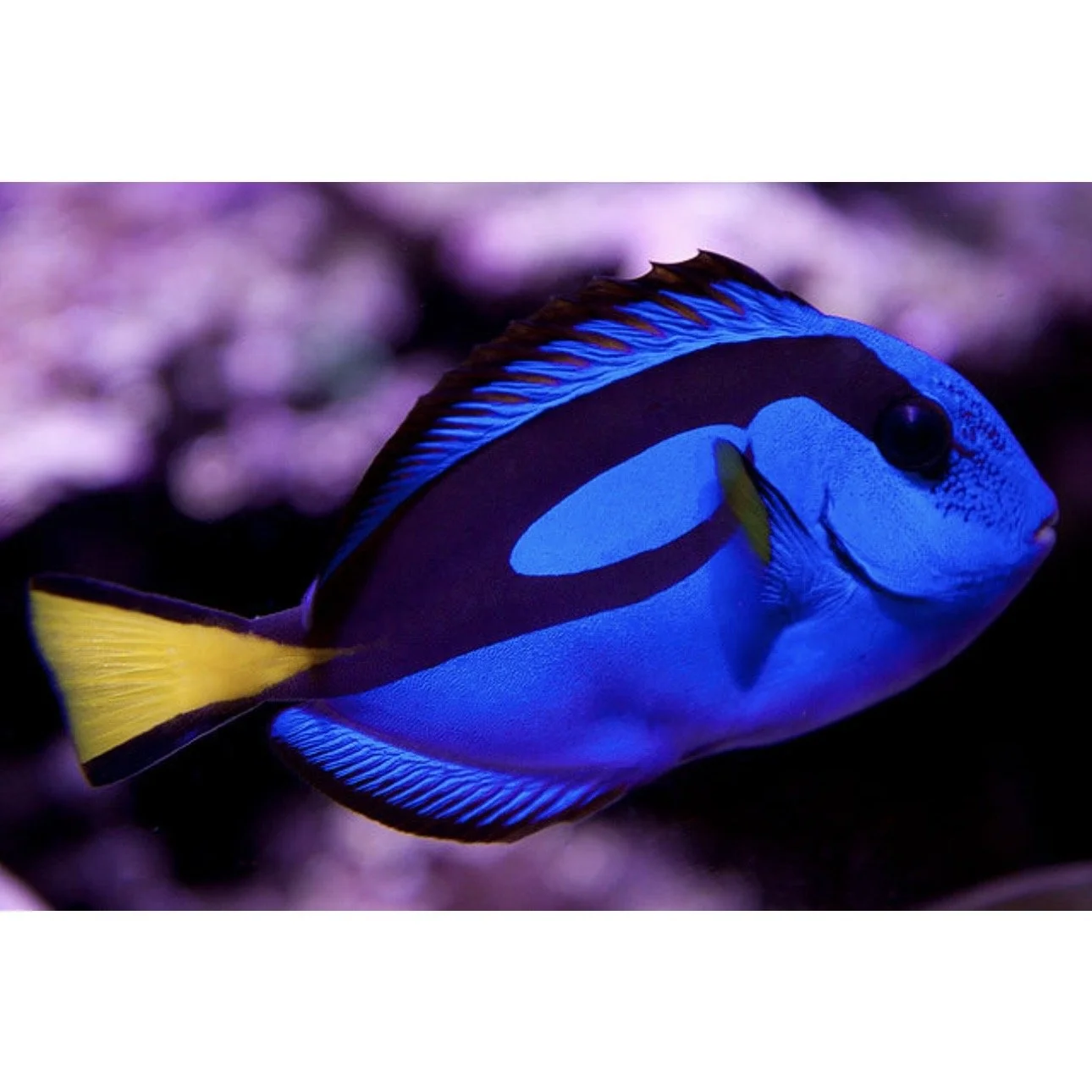
The Blue Hippo Tang (Paracanthurus hepatus)—also known as the Regal Tang, Pacific Blue Tang, Hepatus Tang, or Palette Surgeonfish—is one of the most recognizable marine fish in the saltwater hobby. Its body features a vibrant electric-blue coloration accented by bold black markings that begin near the eye, trace the dorsal ridge, and curve back toward the tail, forming the characteristic “artist’s palette” shape. A bright yellow tail completes its iconic appearance.
Native to the Indo-Pacific, Blue Hippo Tangs naturally inhabit coral reefs where they hide among live rock but are also highly active swimmers. Because of this, they require large aquariums with significant open swimming space to maintain long-term health and reduce stress.
Blue Hippo Tangs are not recommended for beginners, as they require stable parameters, excellent water quality, and proper marine husbandry.
Minimum tank length: 6 feet
Recommended tank size: 180 gallons+
Suitable for: Intermediate, Advanced marine aquarists
If you're a beginner:
We recommend starting with hardy alternatives such as:
Yellowtail Damselfish (Saltwater), Boesemani Rainbowfish (Freshwater)
Blue Hippo Tangs are generally peaceful with most tankmates, but they can become aggressive toward other Hippo Tangs or similarly shaped surgeonfish. If keeping more than one, they must be introduced at the same time into a large system to reduce aggression.
Although Blue Tangs accept meaty foods, they require a diet rich in marine-based algae and seaweed to maintain immunity and vibrant health.
Dried nori (seaweed) attached to a rock or veggie clip
Sea Veggies, Seaweed Salad, Ocean Nutrition algae products
Feed algae-based foods at least 3 times per week
Supplement with varied meaty foods
Reduce aggression
Strengthen the immune system
Prevent nutritional deficiencies
Blue Hippo Tangs require more attentive care compared to many other marine fish. They are prone to:
Marine Ich (Cryptocaryon)
Lateral Line Disease (HLLE)
Fin erosion
Skin parasites
Maintaining excellent water quality, stable parameters, and a consistent algae-based diet is critical to preventing these issues.
Tiny: ½" – ¾"
Small: 1" – 2"
Small/Medium: 2" – 3"
Medium: 3" – 4"
Medium/Large: 4" – 5"
Large: 5" – 6"
XLarge: 6" – 8"
Large, established reef tanks
Hobbyists seeking an active swimmer with iconic coloration
Marine aquarists experienced with Tangs
Display tanks with open rock structures
The Blue Hippo Tang (Paracanthurus hepatus)—also known as the Regal Tang, Pacific Blue Tang, Hepatus Tang, or Palette Surgeonfish—is one of the most recognizable marine fish in the saltwater hobby. Its body features a vibrant electric-blue coloration accented by bold black markings that begin near the eye, trace the dorsal ridge, and curve back toward the tail, forming the characteristic “artist’s palette” shape. A bright yellow tail completes its iconic appearance.
Native to the Indo-Pacific, Blue Hippo Tangs naturally inhabit coral reefs where they hide among live rock but are also highly active swimmers. Because of this, they require large aquariums with significant open swimming space to maintain long-term health and reduce stress.
Blue Hippo Tangs are not recommended for beginners, as they require stable parameters, excellent water quality, and proper marine husbandry.
Minimum tank length: 6 feet
Recommended tank size: 180 gallons+
Suitable for: Intermediate, Advanced marine aquarists
If you're a beginner:
We recommend starting with hardy alternatives such as:
Yellowtail Damselfish (Saltwater), Boesemani Rainbowfish (Freshwater)
Blue Hippo Tangs are generally peaceful with most tankmates, but they can become aggressive toward other Hippo Tangs or similarly shaped surgeonfish. If keeping more than one, they must be introduced at the same time into a large system to reduce aggression.
Although Blue Tangs accept meaty foods, they require a diet rich in marine-based algae and seaweed to maintain immunity and vibrant health.
Dried nori (seaweed) attached to a rock or veggie clip
Sea Veggies, Seaweed Salad, Ocean Nutrition algae products
Feed algae-based foods at least 3 times per week
Supplement with varied meaty foods
Reduce aggression
Strengthen the immune system
Prevent nutritional deficiencies
Blue Hippo Tangs require more attentive care compared to many other marine fish. They are prone to:
Marine Ich (Cryptocaryon)
Lateral Line Disease (HLLE)
Fin erosion
Skin parasites
Maintaining excellent water quality, stable parameters, and a consistent algae-based diet is critical to preventing these issues.
Tiny: ½" – ¾"
Small: 1" – 2"
Small/Medium: 2" – 3"
Medium: 3" – 4"
Medium/Large: 4" – 5"
Large: 5" – 6"
XLarge: 6" – 8"
Large, established reef tanks
Hobbyists seeking an active swimmer with iconic coloration
Marine aquarists experienced with Tangs
Display tanks with open rock structures