 Image 1 of 2
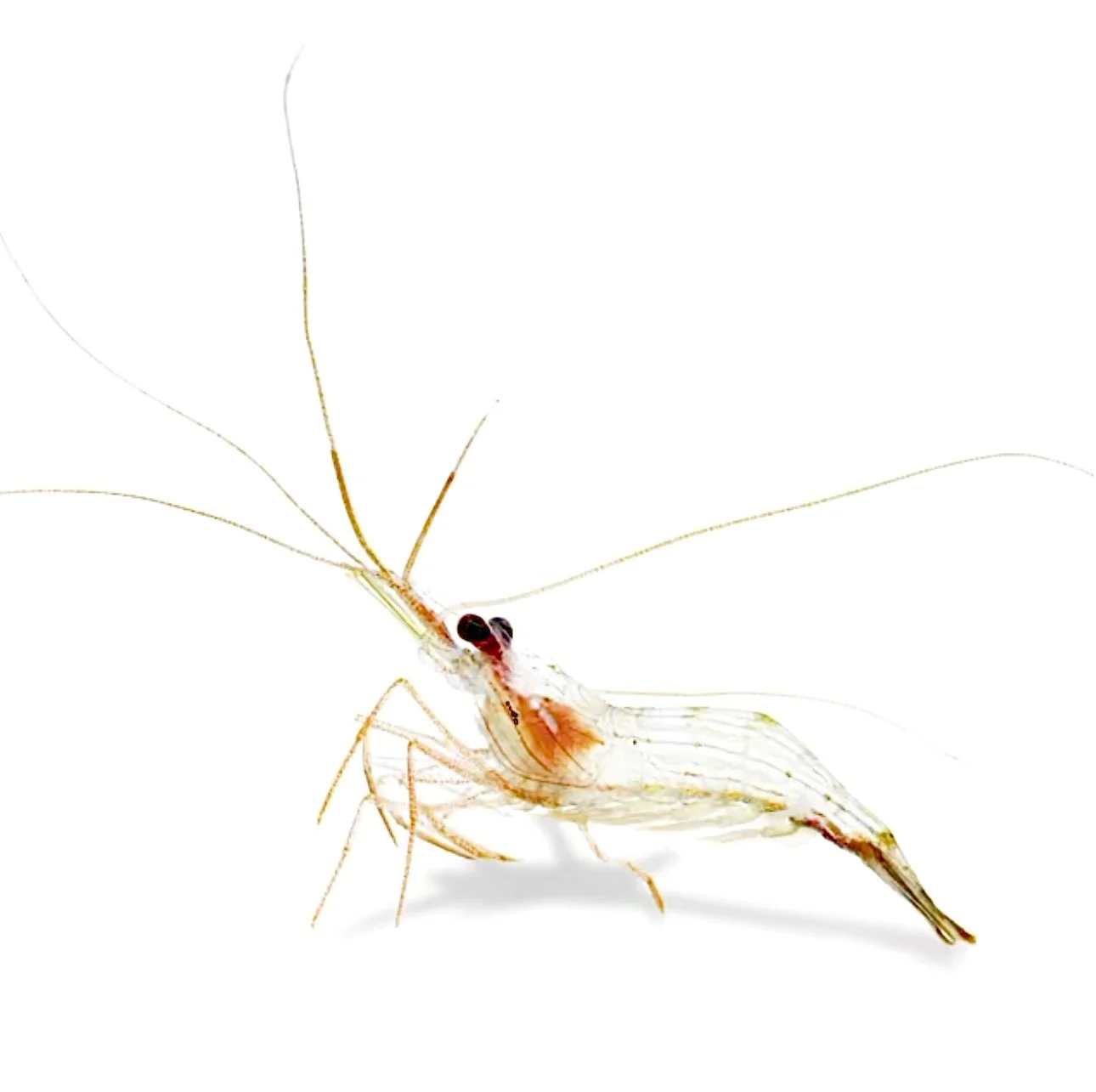 Image 2 of 2
Peppermint Shrimp – Includes Shrimps Pack
from $124.95
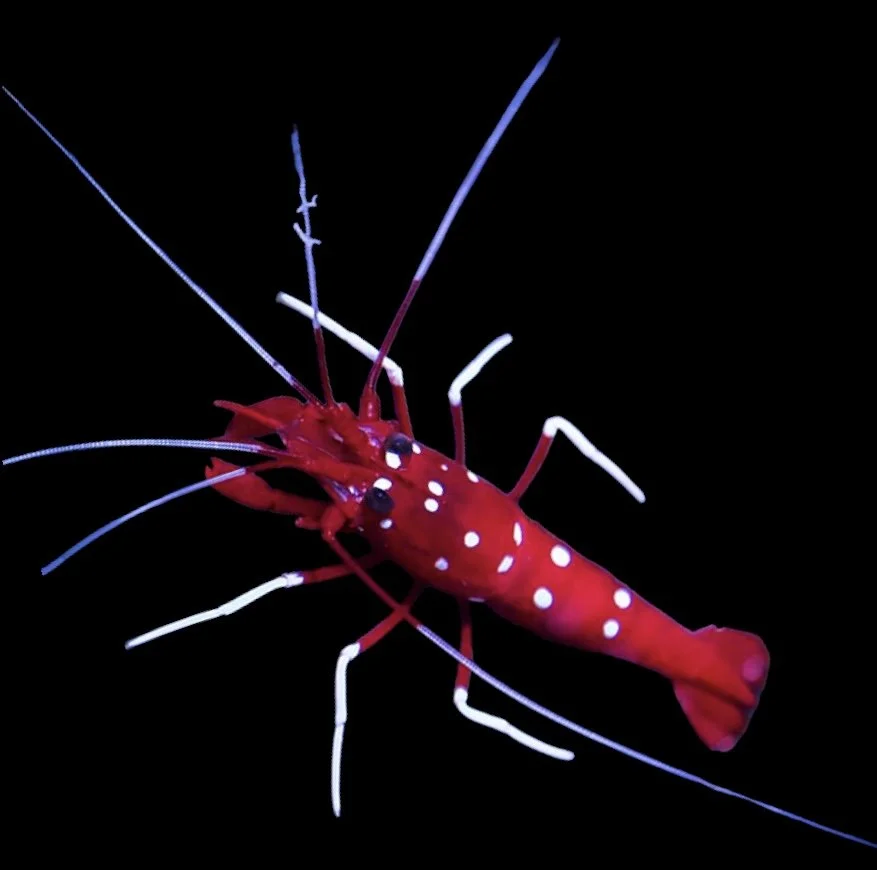
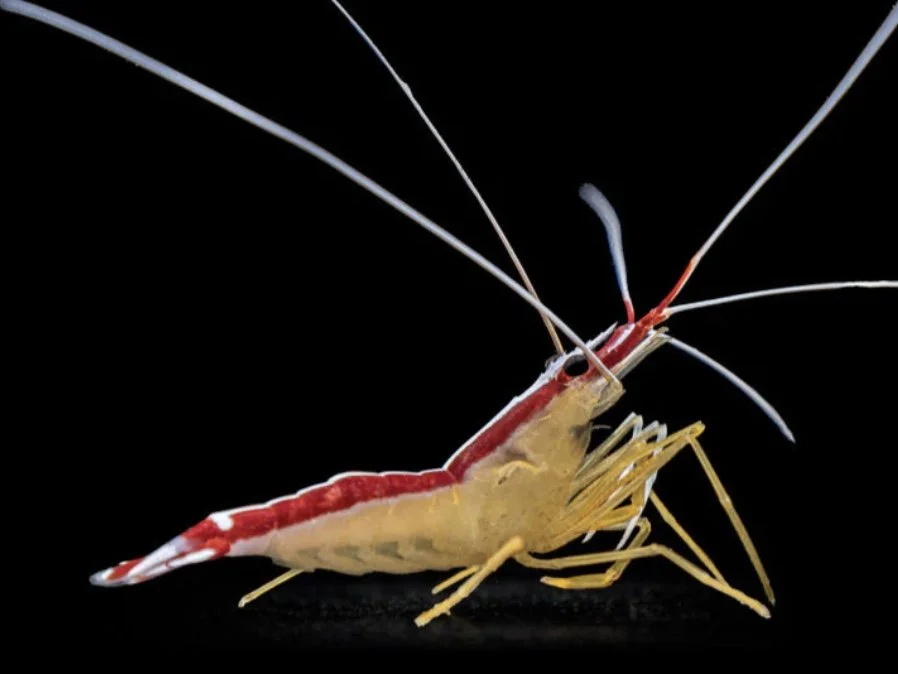
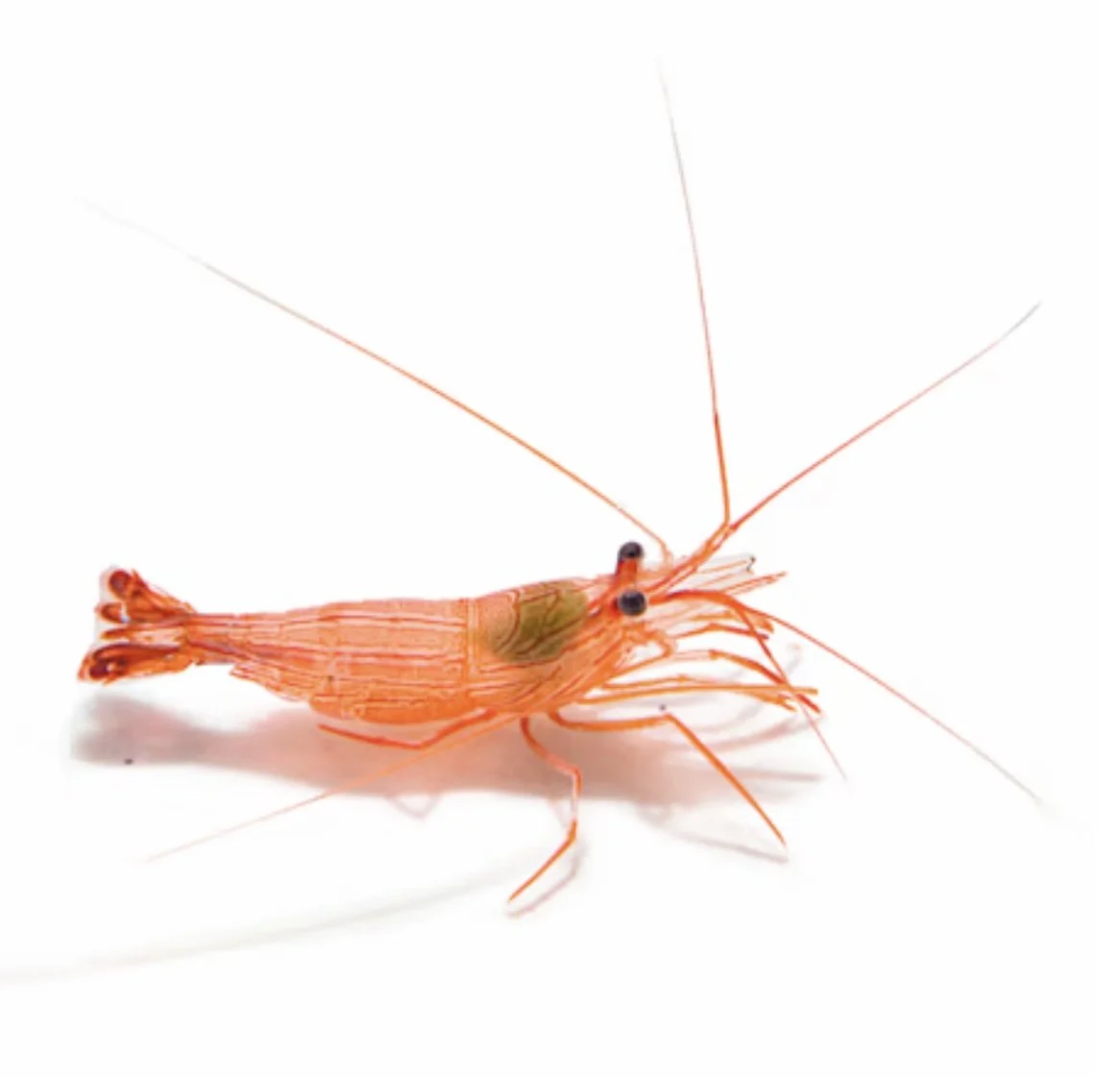
The Junda Lin’s Peppermint Shrimp (Lysmata boggessi line variant) is a highly effective and reef-safe aiptasia control shrimp named in honor of Dr. Junda Lin, a respected marine scientist known for advancing sustainable aquaculture practices. This aquacultured strain is not only reliable for aiptasia removal but also more visually striking than typical peppermint shrimp, displaying yellow legs, a vibrant blue spot, and a subtle blue iridescent shine along the body.
These shrimp play an important role in reef aquarium maintenance by eating aiptasia anemones, leftover food, and organic debris, making them a functional and attractive addition to your cleanup crew. Keeping three or more greatly increases your chances of consistent aiptasia control and may even encourage natural spawning behavior in established reef systems.
As fully aquacultured specimens, Junda Lin’s Peppermint Shrimp adapt quickly to aquarium life and readily accept prepared meaty foods such as mysis, brine shrimp, and sinking pellets. Peaceful and reef-safe, they coexist well with most fish and invertebrates, provided they are not housed with large predators.
Highly effective natural aiptasia control
Peaceful, reef-safe, and great for cleanup crews
Yellow legs + blue spot + blue iridescent shine (more colorful than standard peppermint shrimp)
Readily accepts frozen foods and pellets due to aquaculture origin
Helps remove uneaten food and detritus
Multiple shrimp increase aiptasia-eating reliability
May spawn in established aquariums when kept in groups
Tank Placement: Rockwork, crevices, caves
Diet: Frozen meaty foods, sinking pellets, leftover food
Behavior: Peaceful, nocturnal scavenger
Salinity: Prefers stable, slightly higher reef salinity (1.025–1.026)
Avoid: High nitrates & any copper-based medications (toxic to shrimp)
Reef hobbyists dealing with aiptasia outbreaks
Cleanup-crew upgrades
Nano to large reef tanks
Aquarists seeking colorful, peaceful invertebrates
Sustainable, aquacultured livestock collections
The Junda Lin’s Peppermint Shrimp (Lysmata boggessi line variant) is a highly effective and reef-safe aiptasia control shrimp named in honor of Dr. Junda Lin, a respected marine scientist known for advancing sustainable aquaculture practices. This aquacultured strain is not only reliable for aiptasia removal but also more visually striking than typical peppermint shrimp, displaying yellow legs, a vibrant blue spot, and a subtle blue iridescent shine along the body.
These shrimp play an important role in reef aquarium maintenance by eating aiptasia anemones, leftover food, and organic debris, making them a functional and attractive addition to your cleanup crew. Keeping three or more greatly increases your chances of consistent aiptasia control and may even encourage natural spawning behavior in established reef systems.
As fully aquacultured specimens, Junda Lin’s Peppermint Shrimp adapt quickly to aquarium life and readily accept prepared meaty foods such as mysis, brine shrimp, and sinking pellets. Peaceful and reef-safe, they coexist well with most fish and invertebrates, provided they are not housed with large predators.
Highly effective natural aiptasia control
Peaceful, reef-safe, and great for cleanup crews
Yellow legs + blue spot + blue iridescent shine (more colorful than standard peppermint shrimp)
Readily accepts frozen foods and pellets due to aquaculture origin
Helps remove uneaten food and detritus
Multiple shrimp increase aiptasia-eating reliability
May spawn in established aquariums when kept in groups
Tank Placement: Rockwork, crevices, caves
Diet: Frozen meaty foods, sinking pellets, leftover food
Behavior: Peaceful, nocturnal scavenger
Salinity: Prefers stable, slightly higher reef salinity (1.025–1.026)
Avoid: High nitrates & any copper-based medications (toxic to shrimp)
Reef hobbyists dealing with aiptasia outbreaks
Cleanup-crew upgrades
Nano to large reef tanks
Aquarists seeking colorful, peaceful invertebrates
Sustainable, aquacultured livestock collections