The Seafoam Candy Cane

from $39.95
sold out

The Seafoam Candy Cane Coral – Live Aquaculture RARE LPS Coral | Sustainably Grown by coralSLover®

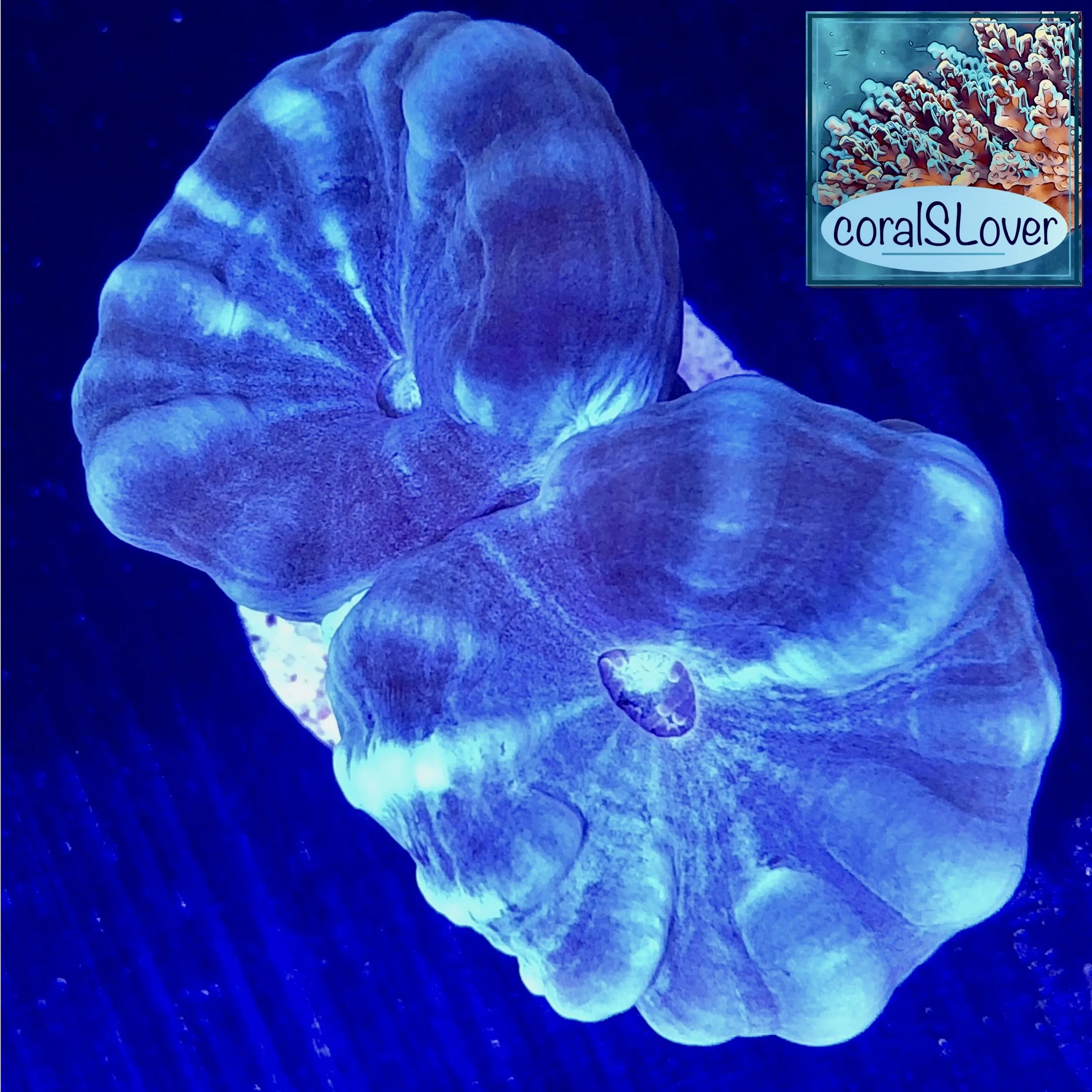
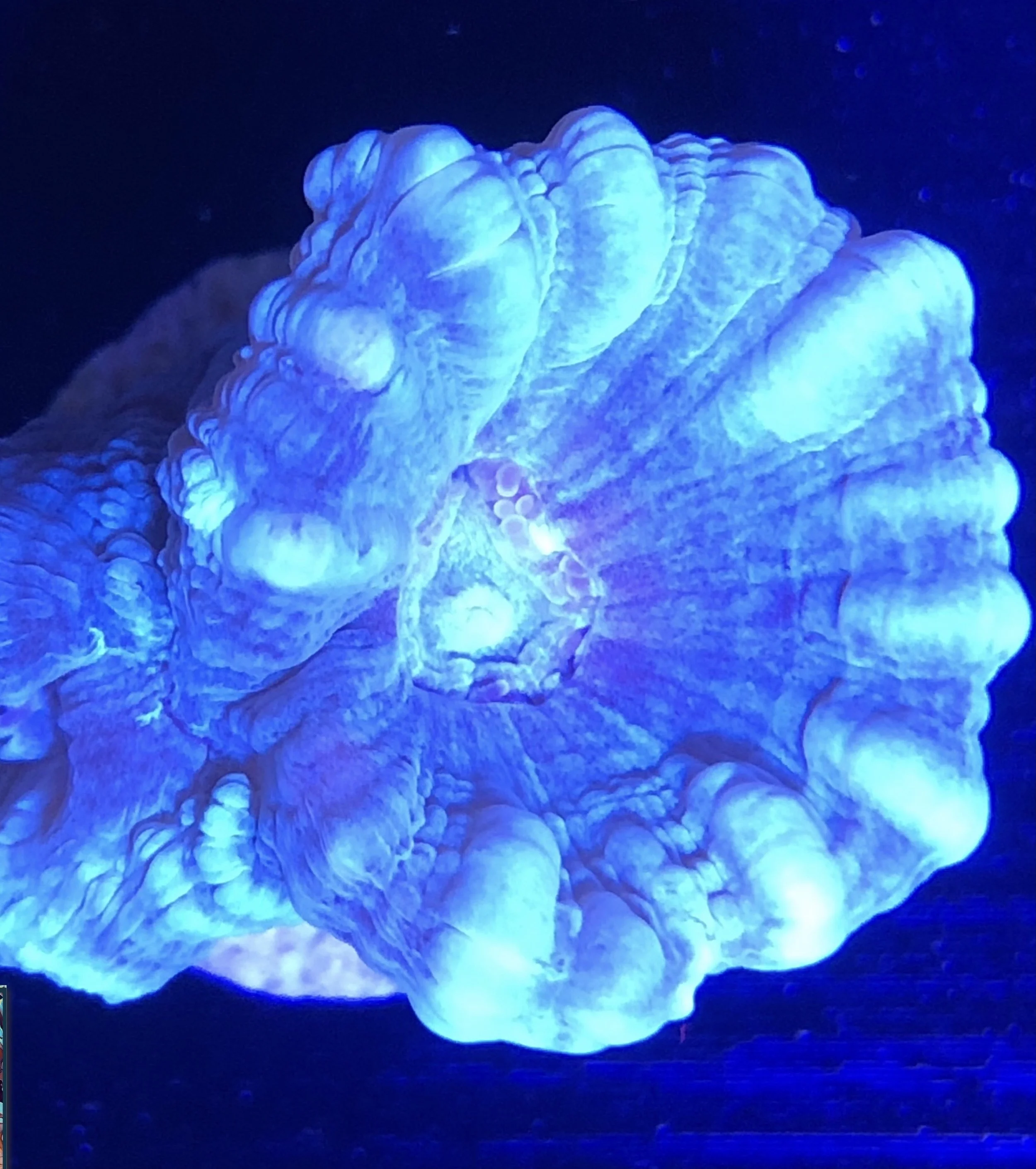
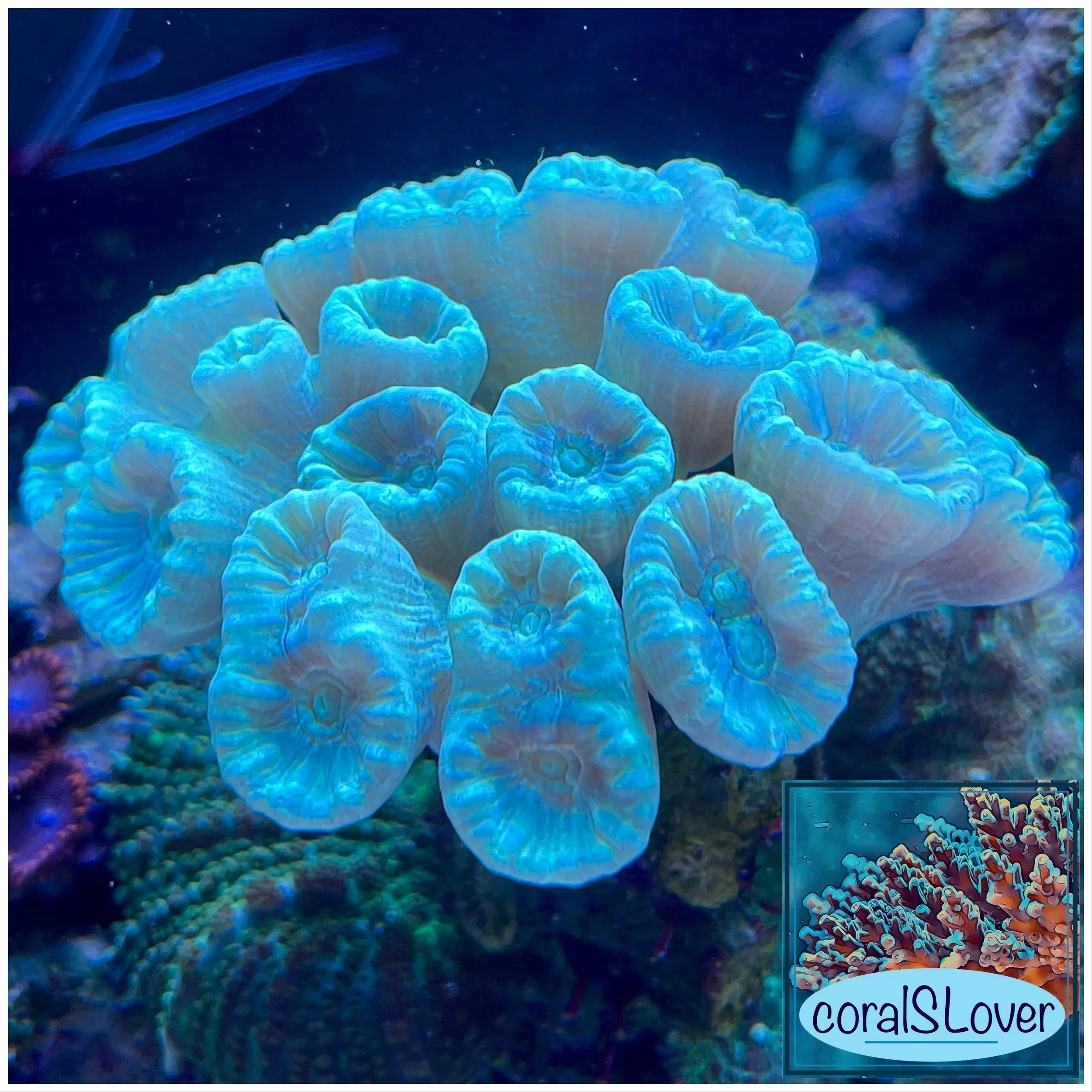
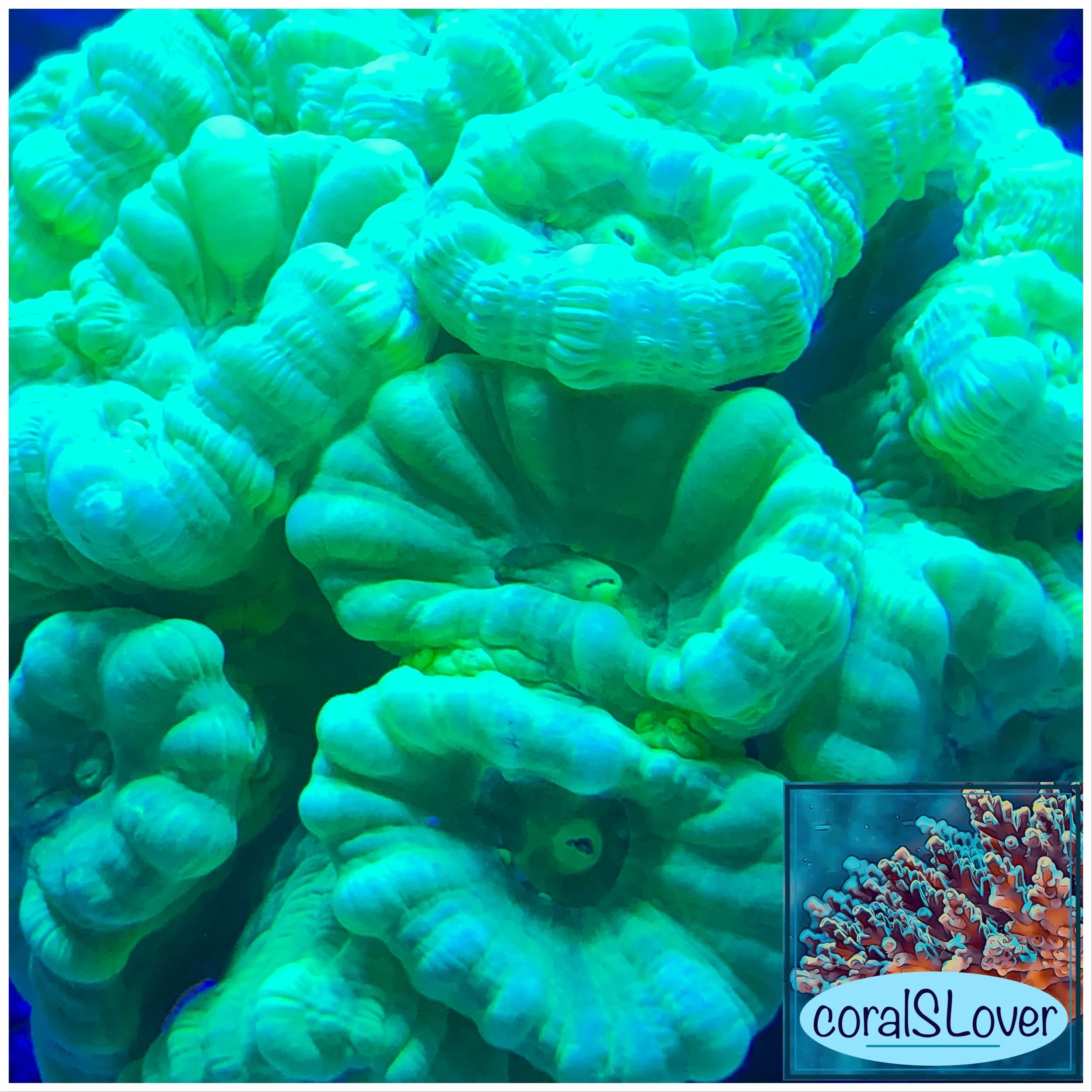
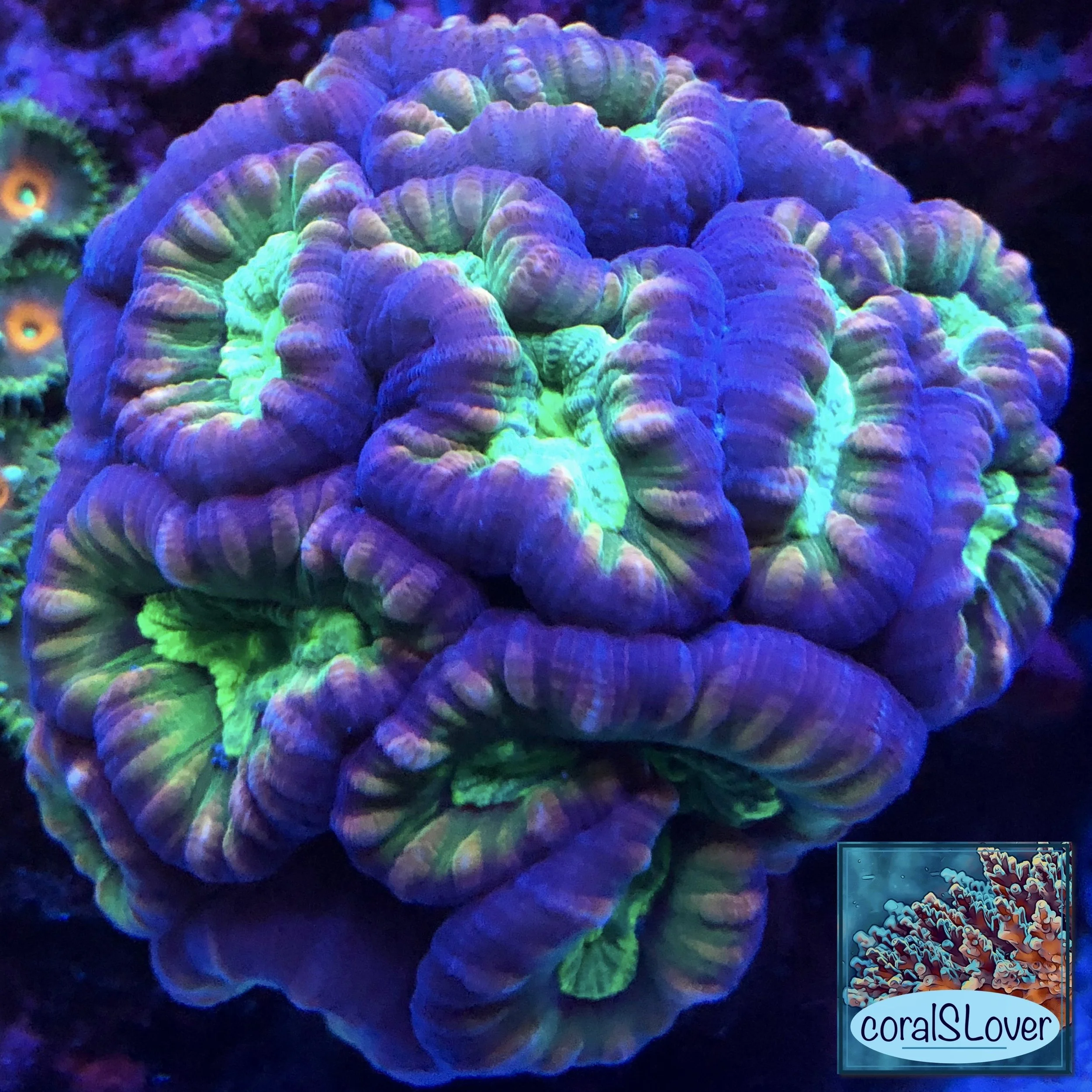
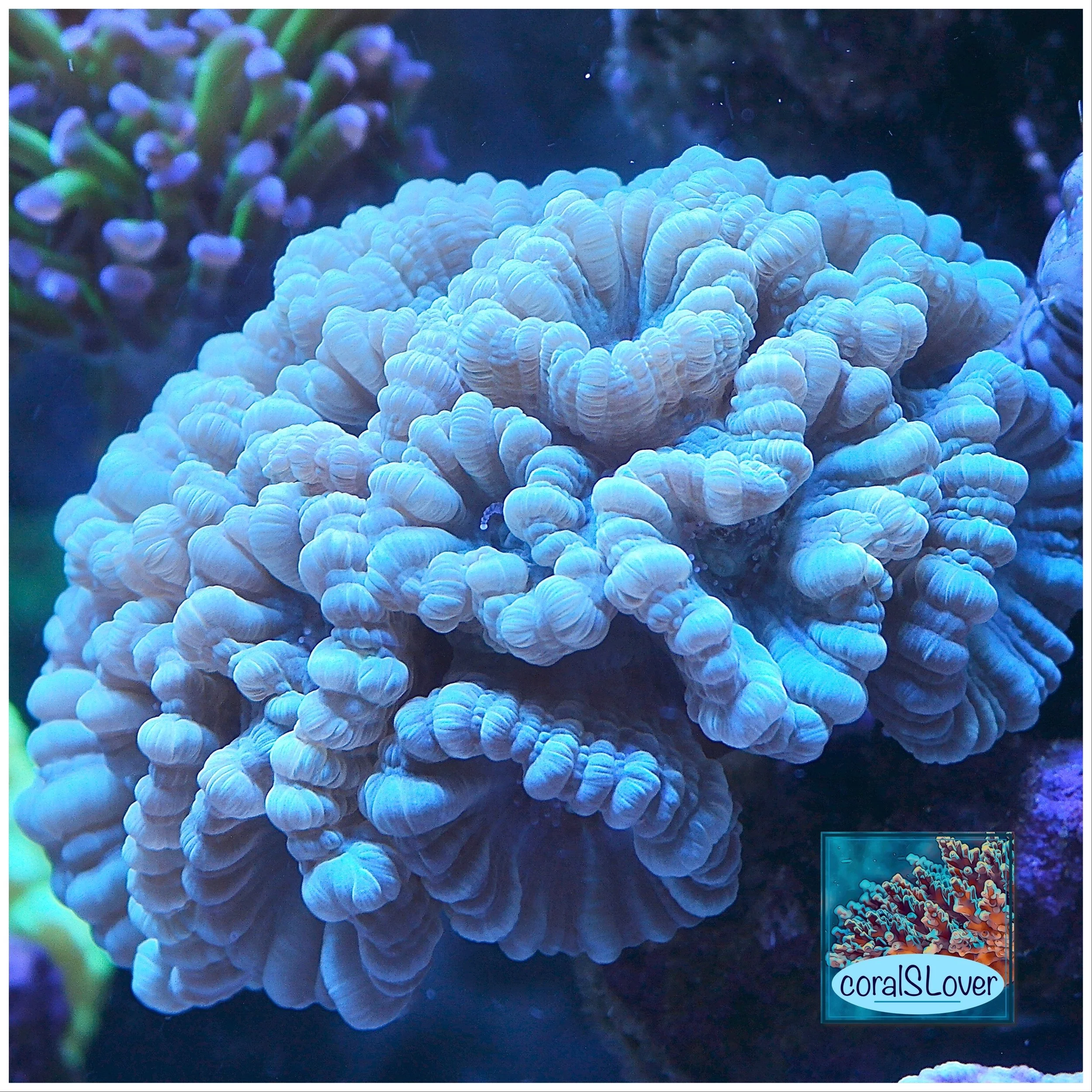
The Seafoam Candy Cane, also known as the The Seafoam Caulastrea, is a highly sought-after LPS coral prized for its glowing light teal centers, with rare coral flaunts a stunning bluish mix with a shared white-colored walls. Each head forms a rounded, trumpet-like shape connected by a shared calcium carbonate skeleton, giving the coral its recognizable clustered “candy cane” appearance.

Scientific Background
Caulastrea furcata belongs to the family Merulinidae and is found naturally in shallow, sun-lit reef slopes across the Indo-Pacific. It is a hermatypic coral, meaning it contributes to reef-building by depositing aragonite skeletons. Its vibrant teal coloration arises from symbiotic zooxanthellae (family Symbiodiniaceae) and fluorescent proteins that reflect light in the 480–520 nm range—producing the shimmering teal hue observed under blue LEDs.

The polyps expand during the day to capture light for photosynthesis and extend feeding tentacles at night to catch planktonic food. This dual energy strategy makes Caulastrea furcata adaptable to a range of lighting and nutrient environments.


All The Seafoam Candy Canes offered by coralSLover® originate from tank-raised broodstock first established in 2013. Each frag is fully encrusted, pest-free, and healed before release. Our aquaculture systems replicate tropical reef conditions using closed-loop saltwater filtration and stable calcium/alkalinity balance, producing strong skeleton growth and vivid pigmentation without wild collection.

Great For
Aquarists seeking a luminous, hardy LPS coral that adds unique color and structure to their reef. Perfect centerpiece for mixed-reef systems or beginner LPS collections.

Free Shipping When Qualified

Size:

The Seafoam Candy Cane Coral – Live Aquaculture RARE LPS Coral | Sustainably Grown by coralSLover®

The Seafoam Candy Cane, also known as the The Seafoam Caulastrea, is a highly sought-after LPS coral prized for its glowing light teal centers, with rare coral flaunts a stunning bluish mix with a shared white-colored walls. Each head forms a rounded, trumpet-like shape connected by a shared calcium carbonate skeleton, giving the coral its recognizable clustered “candy cane” appearance.

Scientific Background
Caulastrea furcata belongs to the family Merulinidae and is found naturally in shallow, sun-lit reef slopes across the Indo-Pacific. It is a hermatypic coral, meaning it contributes to reef-building by depositing aragonite skeletons. Its vibrant teal coloration arises from symbiotic zooxanthellae (family Symbiodiniaceae) and fluorescent proteins that reflect light in the 480–520 nm range—producing the shimmering teal hue observed under blue LEDs.

The polyps expand during the day to capture light for photosynthesis and extend feeding tentacles at night to catch planktonic food. This dual energy strategy makes Caulastrea furcata adaptable to a range of lighting and nutrient environments.


All The Seafoam Candy Canes offered by coralSLover® originate from tank-raised broodstock first established in 2013. Each frag is fully encrusted, pest-free, and healed before release. Our aquaculture systems replicate tropical reef conditions using closed-loop saltwater filtration and stable calcium/alkalinity balance, producing strong skeleton growth and vivid pigmentation without wild collection.

Great For
Aquarists seeking a luminous, hardy LPS coral that adds unique color and structure to their reef. Perfect centerpiece for mixed-reef systems or beginner LPS collections.

Free Shipping When Qualified

Teal Candy Cane Coral Teal Candy Cane Coral Teal Candy Cane Coral Teal Candy Cane Coral Teal Candy Cane Coral Teal Candy Cane Coral
Size:
Kryptonite Candy Cane Coral Kryptonite Candy Cane Coral Kryptonite Candy Cane Coral Kryptonite Candy Cane Coral Kryptonite Candy Cane Coral Kryptonite Candy Cane Coral Kryptonite Candy Cane Coral
Size:
Pinwheel Candy Cane. Caulastrea Coral. Pinwheel Candy Cane. Caulastrea Coral. Pinwheel Candy Cane. Caulastrea Coral. Pinwheel Candy Cane. Caulastrea Coral.
Size:
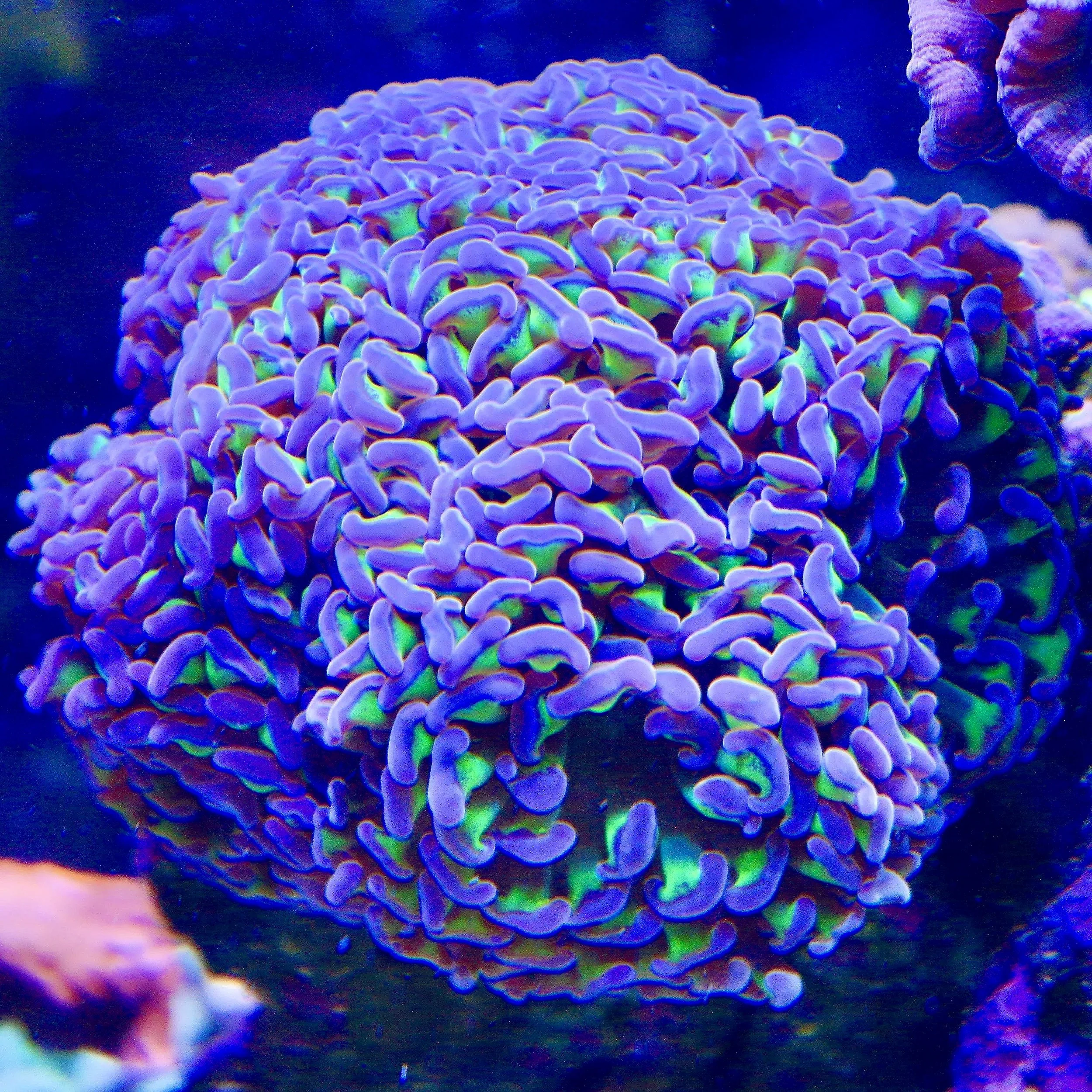
Purple Branching Hammer Coral
Sale Price: $124.95 Original Price: $144.95

LPS Corals – Colorful, Hardy, and Easy to Enjoy

LPS corals, or Large Polyp Stony Corals, are one of the most popular types of corals for reef aquariums. Unlike SPS corals, which have tiny polyps, LPS corals have larger, fleshy polyps that expand and move with the water, giving them a lively, flowing appearance. Their solid calcium skeletons provide structure to your reef, while their soft, colorful polyps bring vibrant color and texture that can transform a tank into a dynamic underwater garden.

LPS corals are beloved by both beginners and experienced hobbyists because they are hardy and relatively easy to care for, yet still offer striking colors and patterns. Many species, like Acan, Blastomussa, Candy Cane, Chalice, Frogspawn, Galaxea, Hammer, Lobo/Brain, and Torch, can thrive under moderate lighting and medium water flow, making them versatile for most reef setups. Their large mouths allow them to feed effectively, and occasional target feeding can encourage faster growth and more intense coloration.

At coralSLover, all our LPS corals are aquacultured, meaning they are sustainably grown in controlled systems to ensure they adapt successfully to home aquariums. This gives your reef a better chance of thriving, with healthy, vibrant corals that are easier to maintain. Whether you’re starting your first reef or adding colorful accents to an established tank, LPS corals are a favorite choice for creating movement, beauty, and life in any marine display. 

Care at a Glance – LPS Corals

Lighting: Moderate to moderately high lighting brings out vibrant coloration and supports steady growth. Many LPS prefer indirect or slightly shaded areas to avoid tissue stress.

Flow: Moderate, indirect water movement is ideal. Gentle but consistent flow keeps polyps clean and extended without damaging their fleshy tissue.

Placement: Mid to lower rockwork or sandbed is often best. Allow ample space between colonies, as many LPS have long sweeper tentacles and can sting neighbors.

Water Quality: Stable parameters are key — maintain balanced alkalinity, calcium, and magnesium levels with low to moderate nutrients. Sudden changes can stress fleshy polyps.

Feeding: LPS benefit from targeted or occasional broadcast feeding of meaty or particulate foods to support faster growth and vibrant coloration.

Difficulty: Beginner to intermediate friendly — many LPS are hardy but appreciate consistent conditions and occasional feeding for best results.

Sustainability: Fully aquacultured, zero wild collection — responsibly grown and well adapted to aquarium life.

The Seafoam Caulastrea, a popular variety of LPS coral available at coralSLover. This rare coral flaunts a stunning bluish mix with a shared white-colored body.