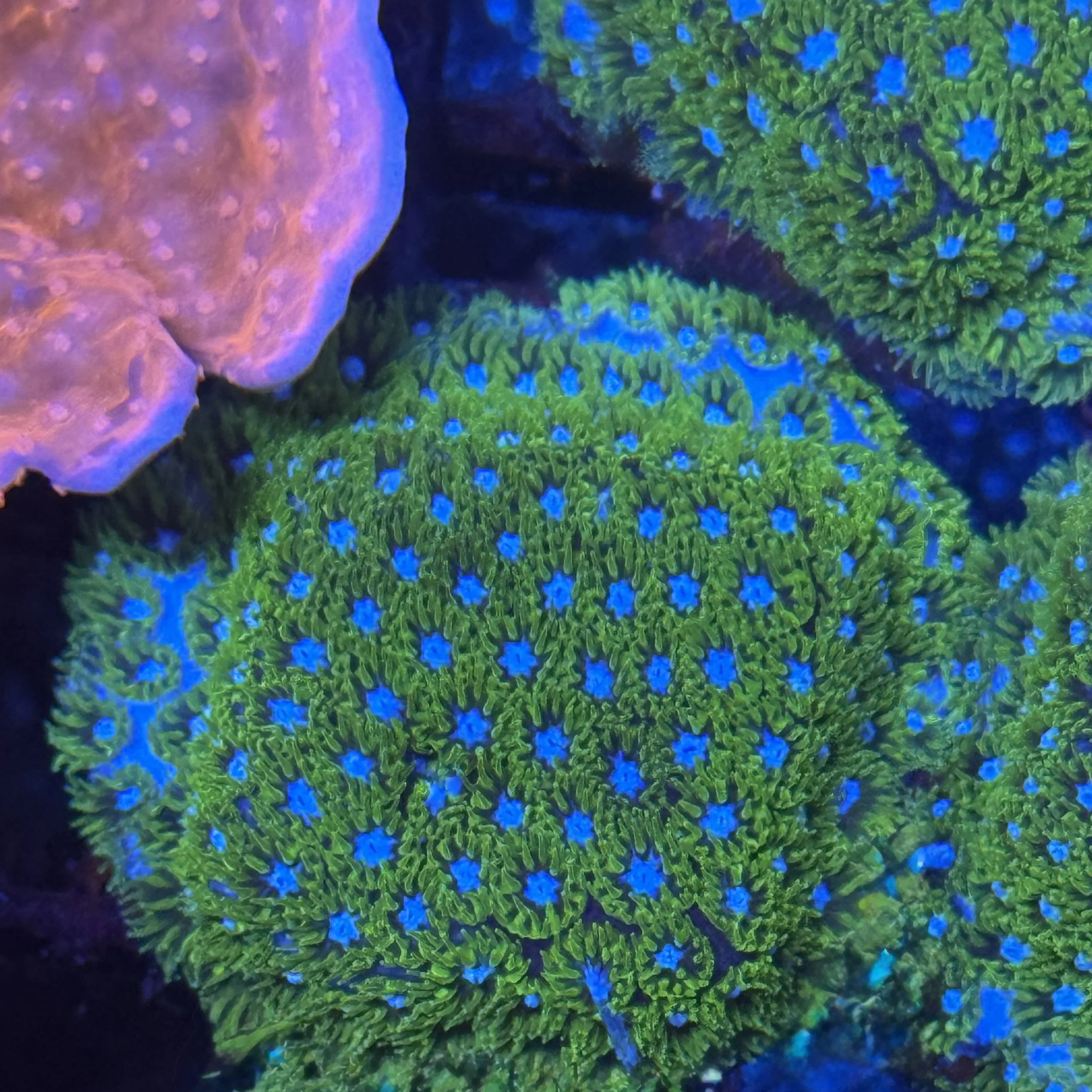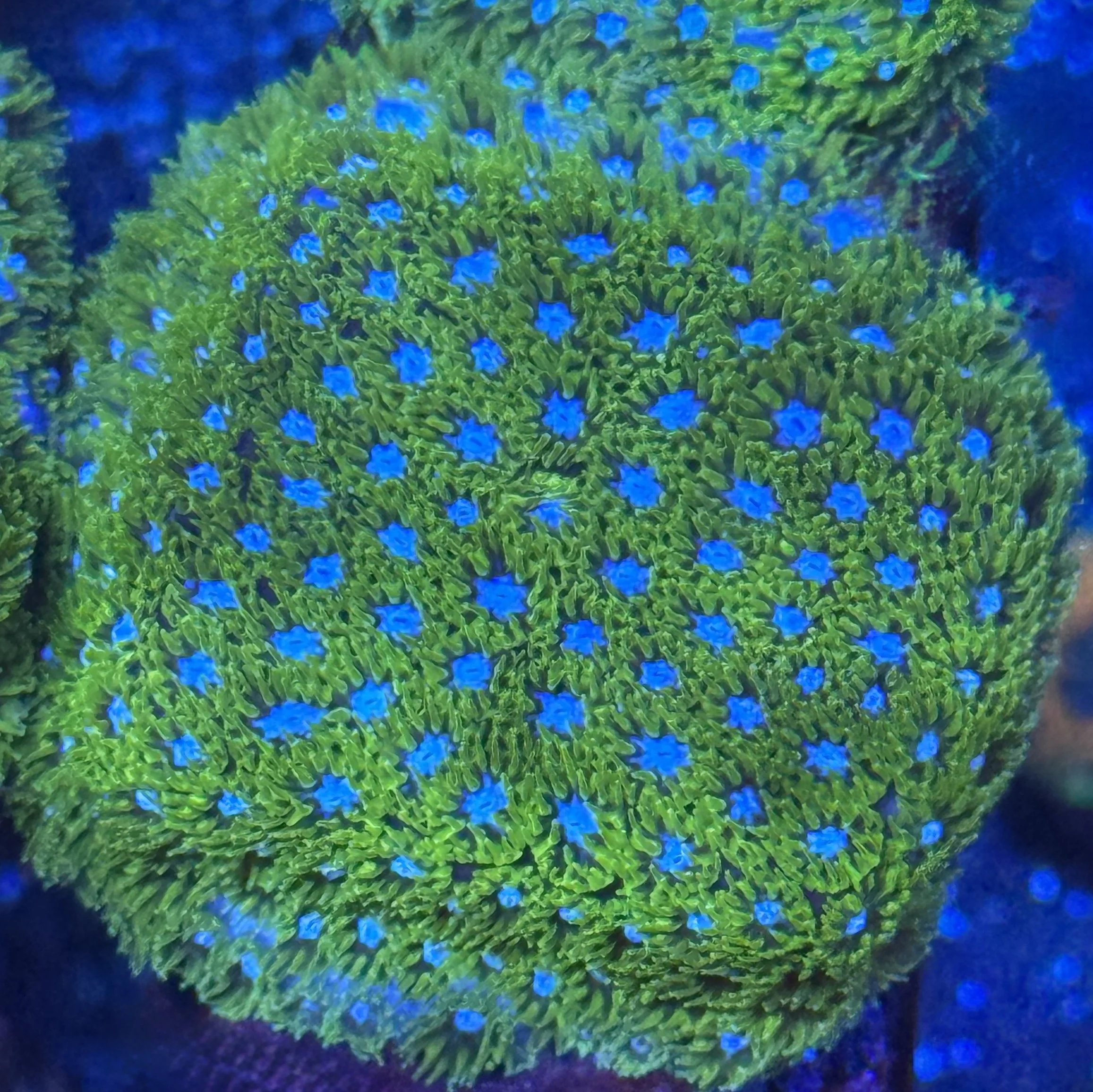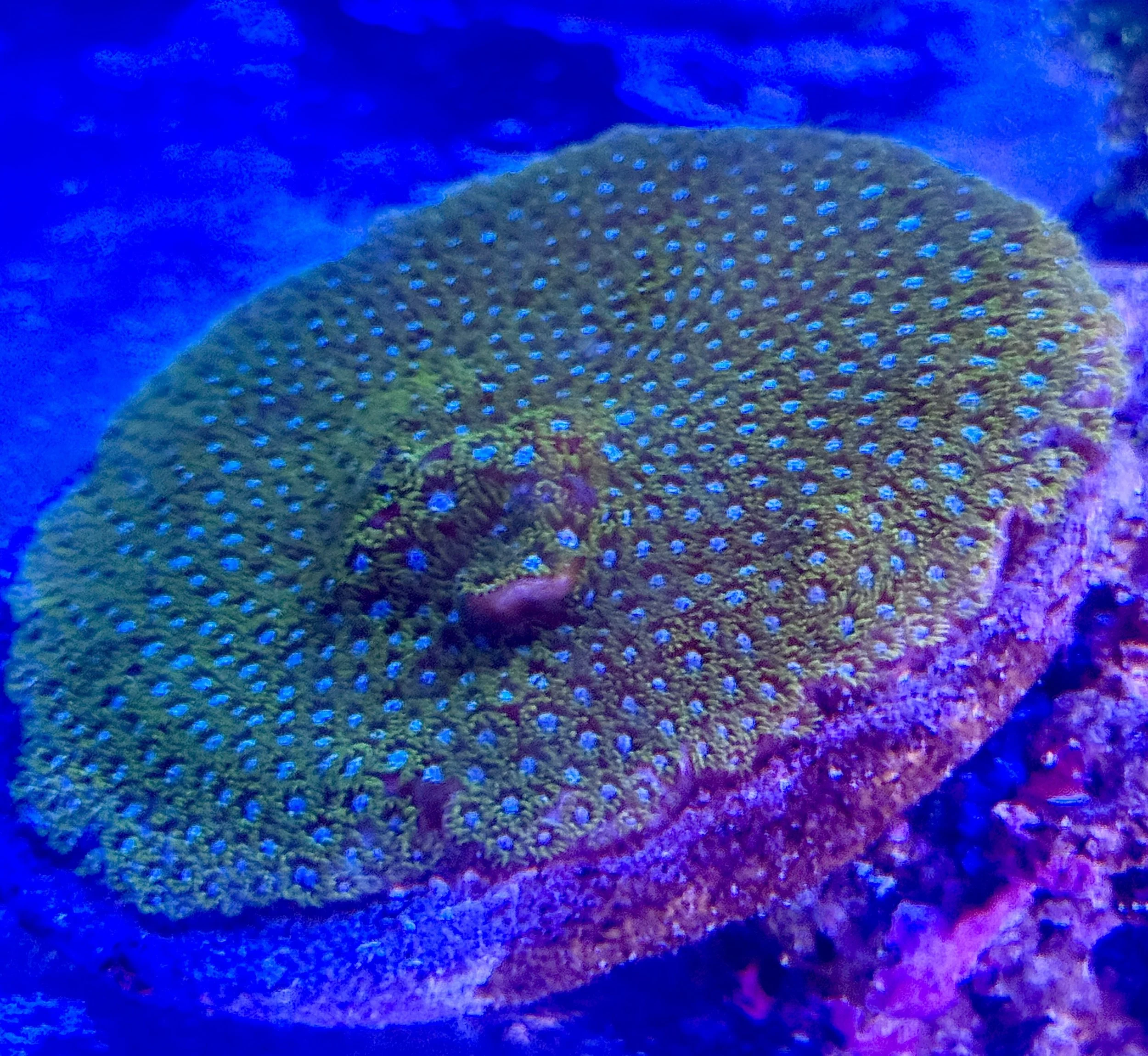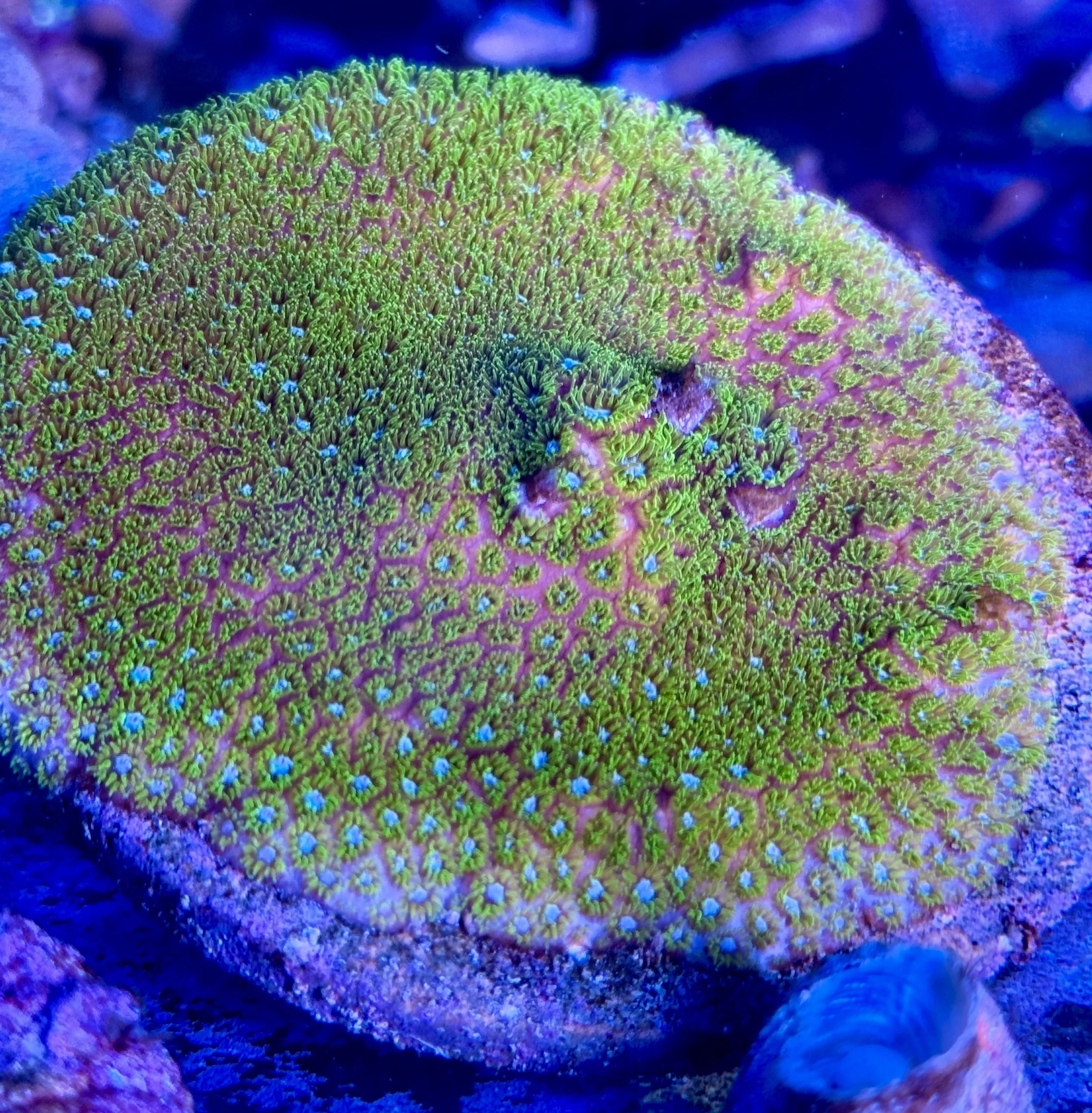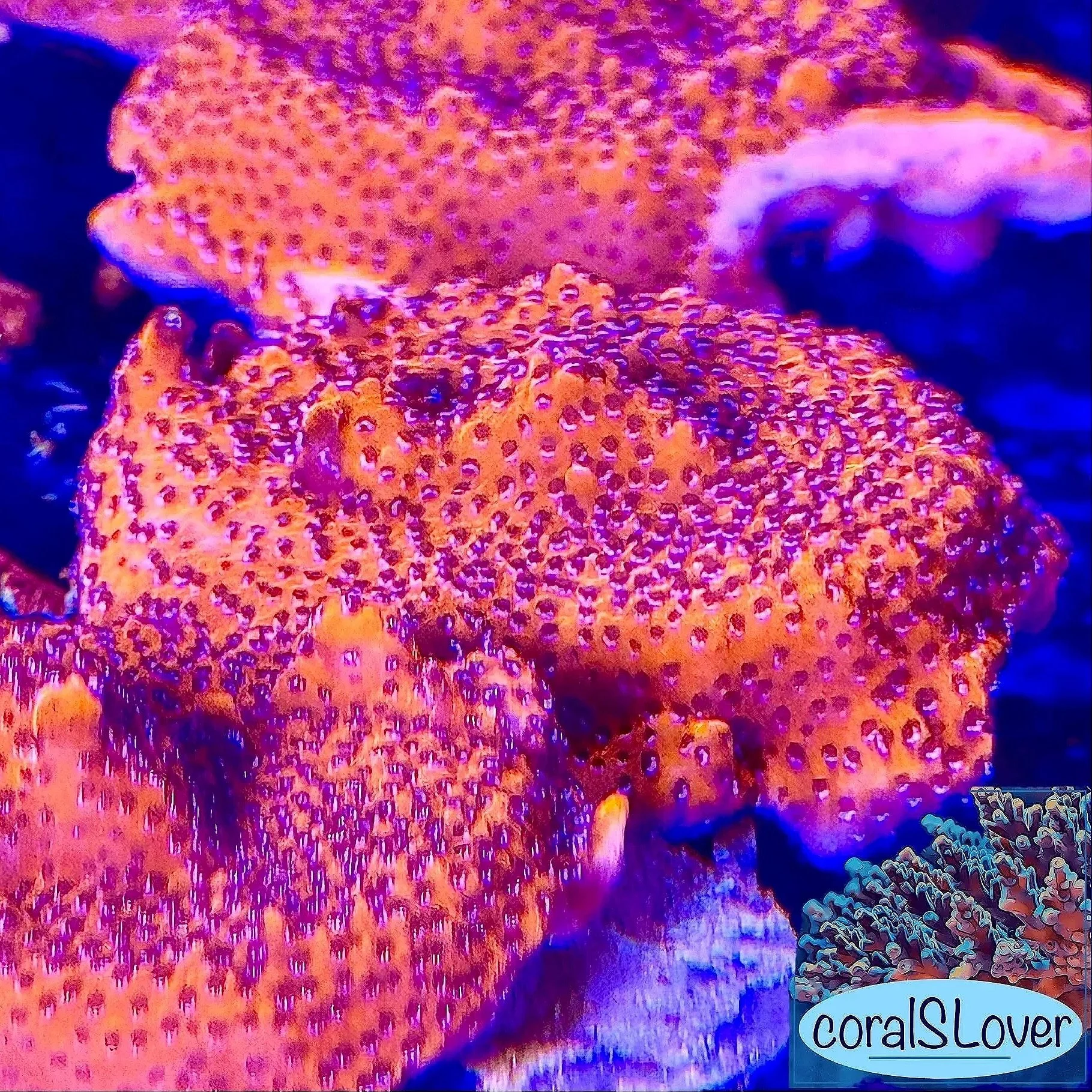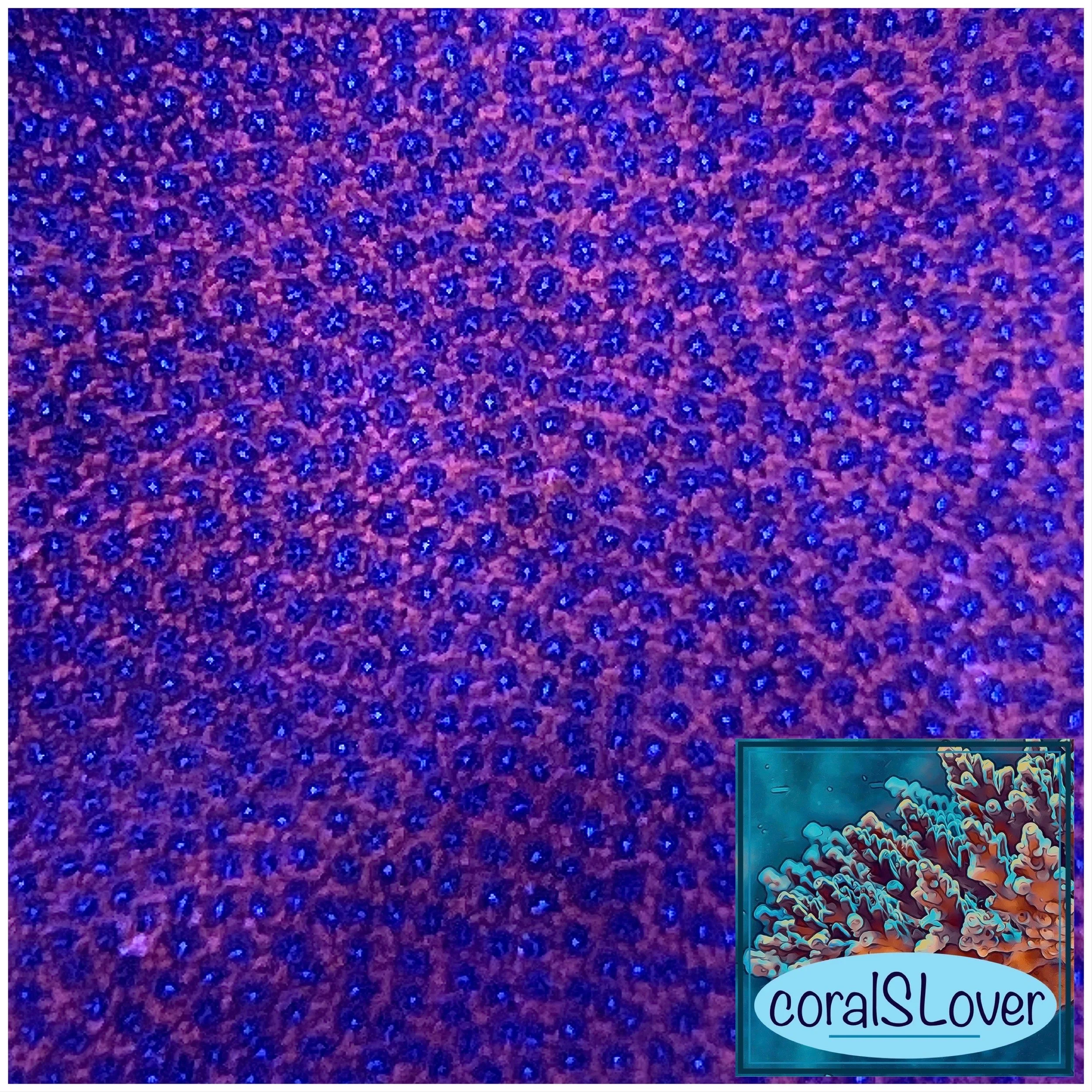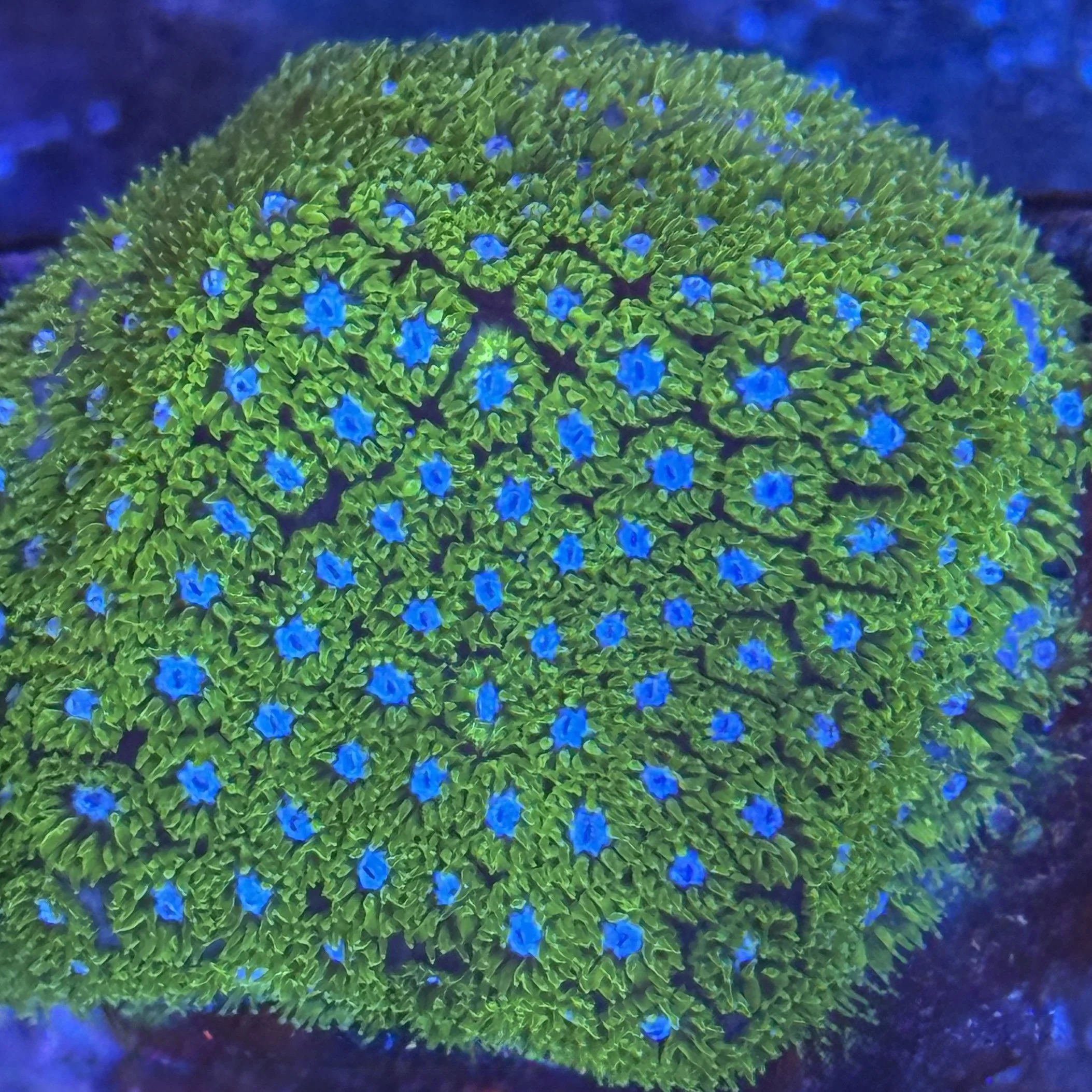
Kermit The Frog Leptastrea Coral

$44.95

Kermit The Frog Leptastrea – Aquaculture Encrusting Premium LPS Coral | coralSLover®

Classification - Premium LPS Coral – Aquacultured Encrusting Variety

Why It’s Premium

  • Intense neon-green fluorescence with blue oral discs

  • Fully aquacultured and sustainable — never wild-collected

  • Adaptable to a variety of reef systems

  • Excellent contrast coral that enhances reef texture and depth

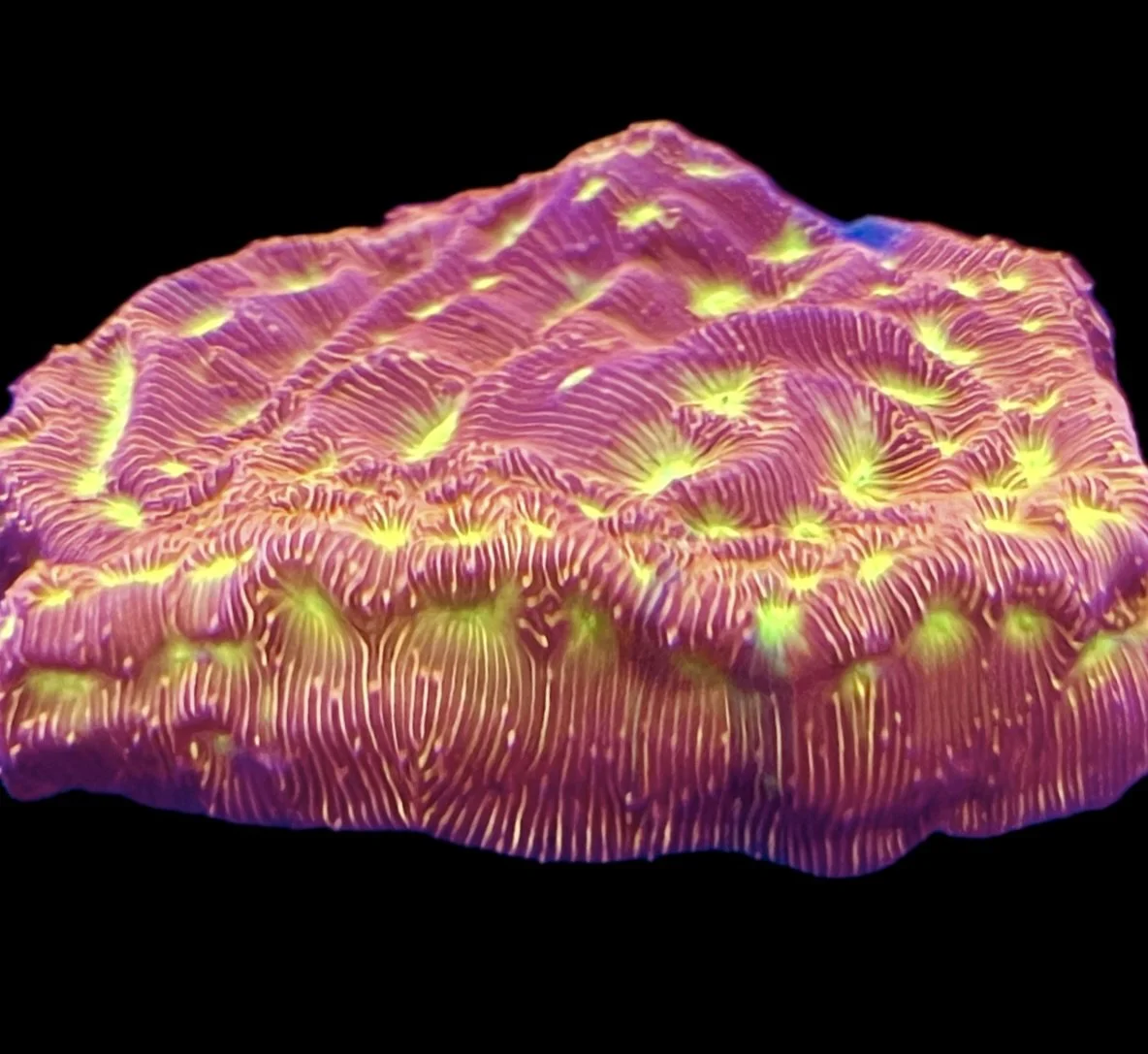
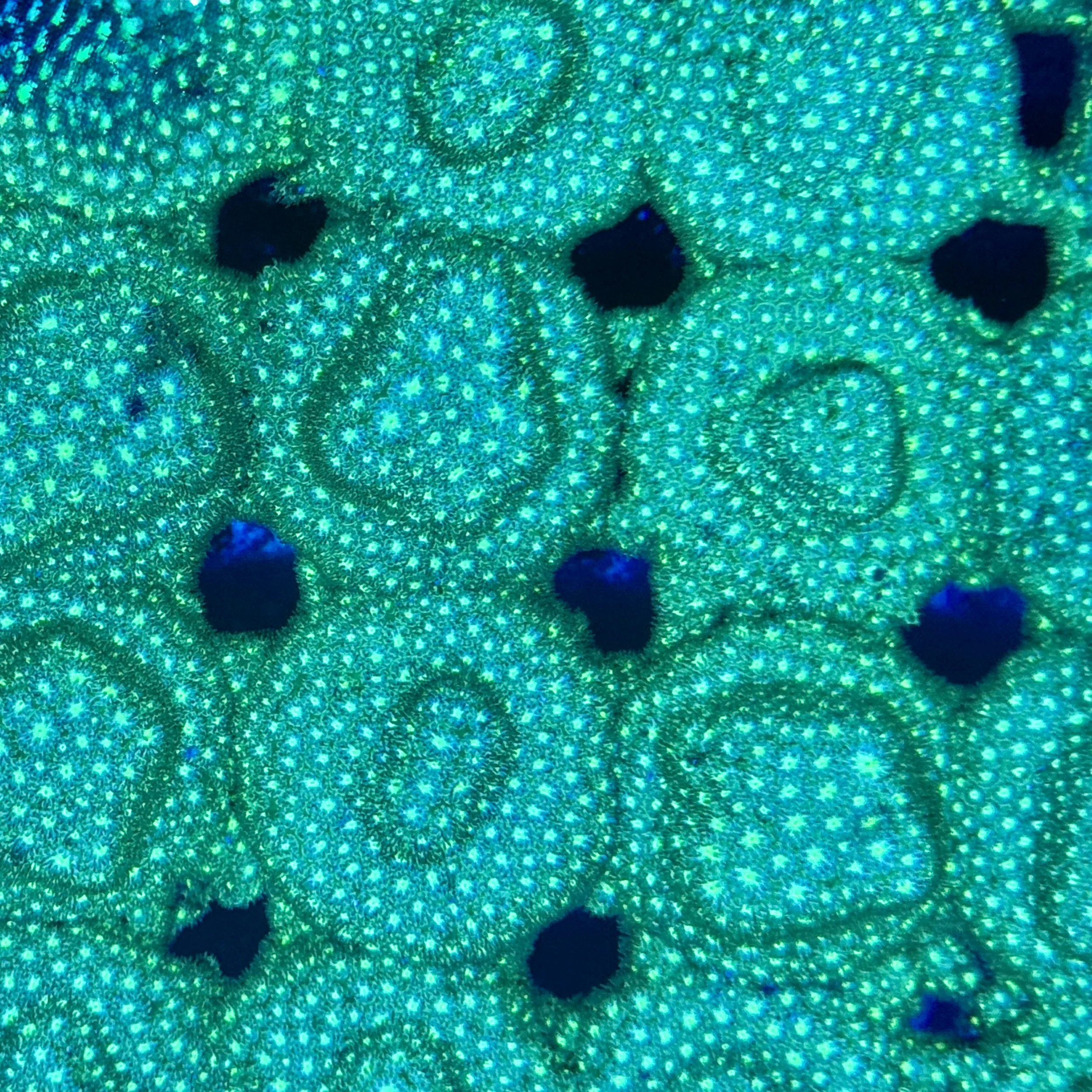
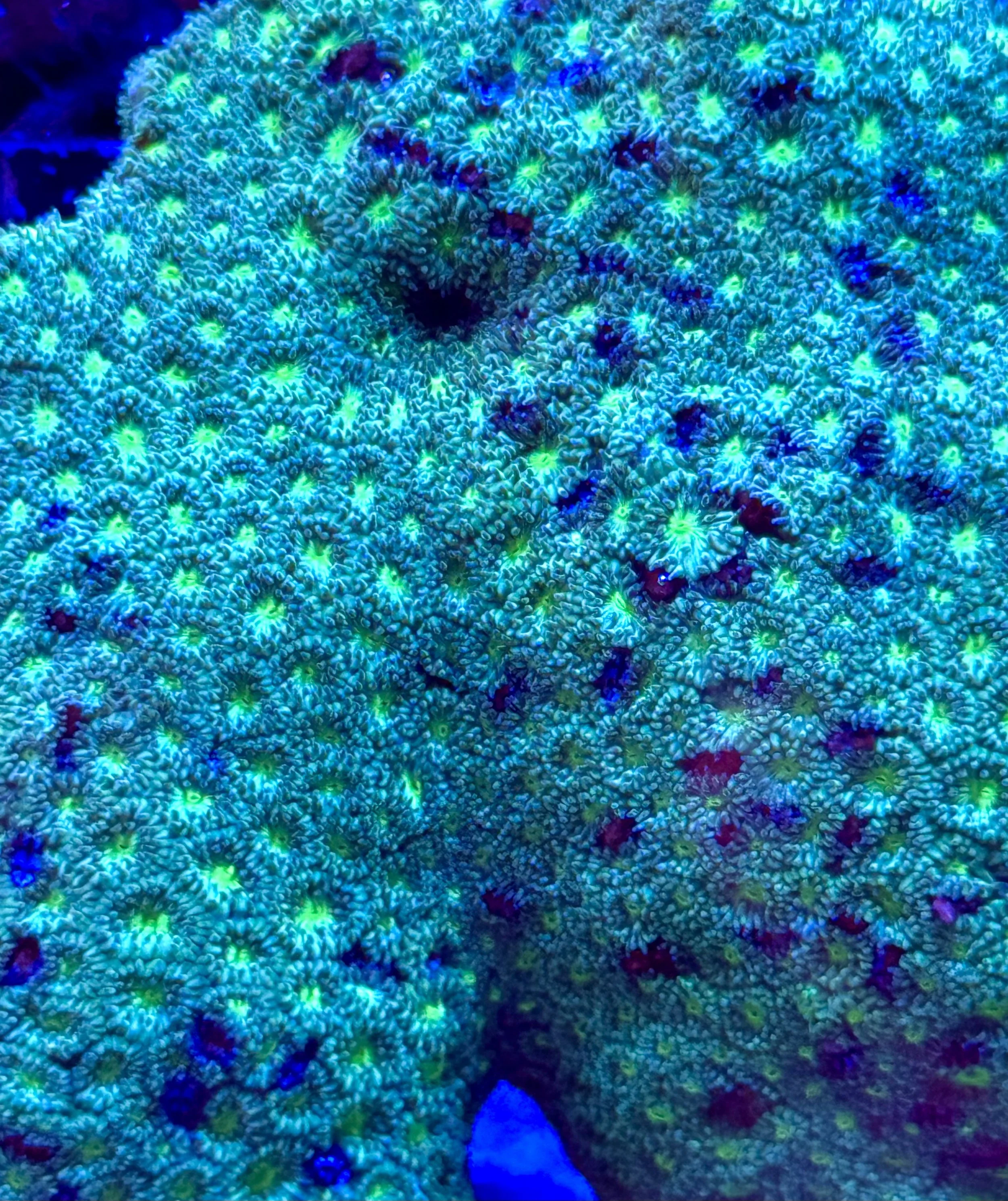
The Kermit The Frog Leptastrea (Leptastrea purpurea complex) is a vivid encrusting LPS coral that adds both texture and brilliance to any reef aquarium. Its neon-green coenosarc (tissue between corallites) is covered in glowing, short tentacles tipped with fine fluorescent pigment, while the sky-blue oral centers provide exceptional contrast. Under blue or actinic lighting, the coral emits a radiant, electric-green fluorescence that gives it a dynamic, living-glow appearance.

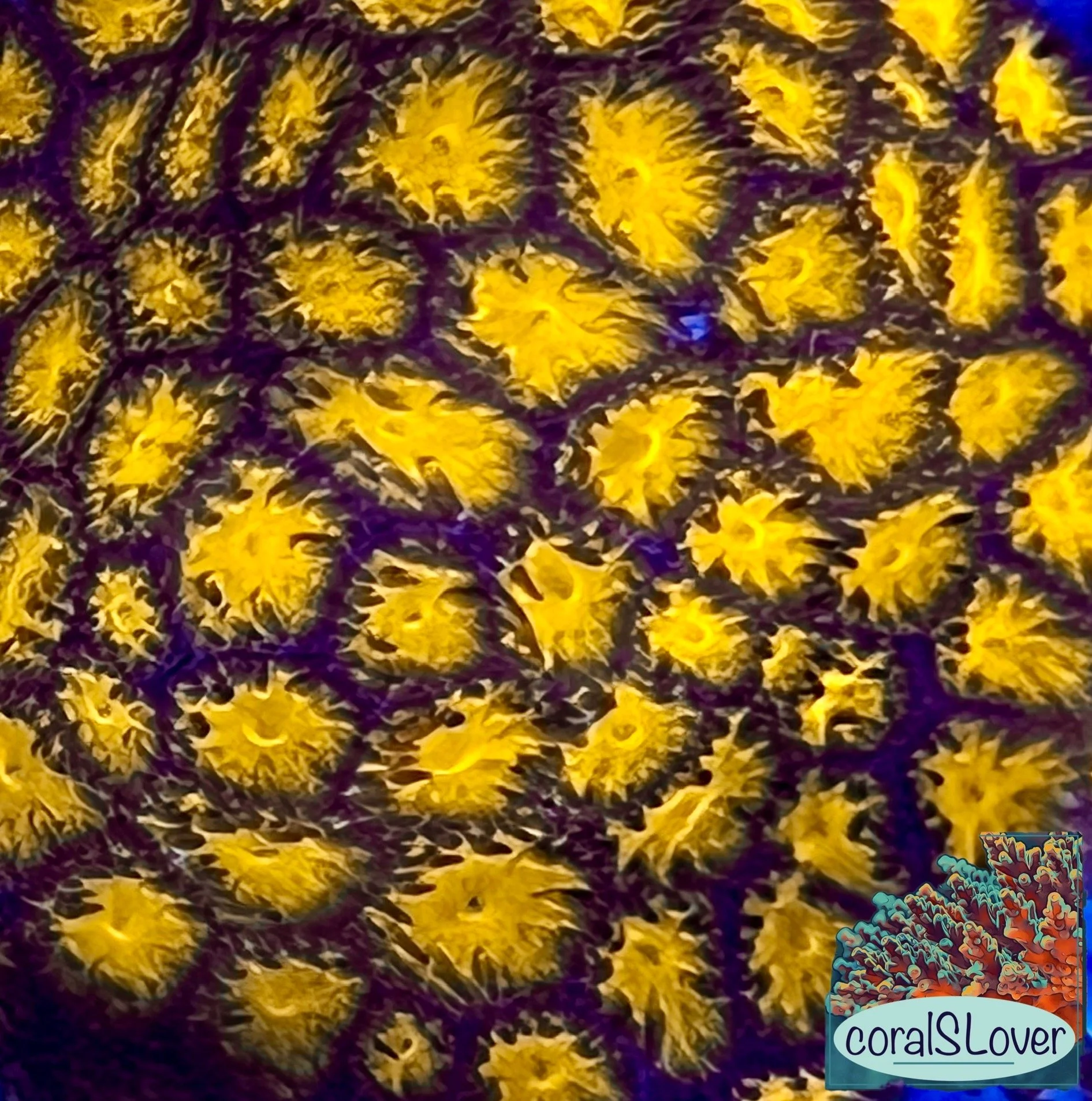
As an encrusting LPS, Leptastrea forms a dense calcareous skeleton that adheres tightly to rock surfaces, slowly spreading outward in a plating pattern. Each polyp is small but deeply recessed within its skeletal cup, giving the coral a distinctive, textured “micro-crater” surface. This coral is highly adaptable and thrives in a wide range of environments, from lower light mixed reefs to moderate-light SPS systems.

Fully aquacultured and never wild-collected, every specimen is propagated within coralSLover’s sustainable systems. The strain has demonstrated long-term stability in captivity, showing exceptional coloration retention, robust tissue recovery, and consistent skeletal density.

Scientific Insight

  • Genus: Leptastrea

  • Family: Faviidae (recently reclassified from Scleractinia)

  • Structure: Colonial, encrusting LPS with small, circular corallites

  • Polyp Type: Short tentacle, nocturnal feeder, capable of photosynthetic energy production

  • Growth Pattern: Compact encrusting mat, capable of vertical plating with age

  • Defense Behavior: Mild; limited aggression compared to other LPS species

Leptastrea species rely primarily on symbiotic zooxanthellae (dinoflagellates of the genus Symbiodinium) for photosynthetic energy, supplemented by microplankton capture at night. Their skeletal density and tight corallite spacing allow them to thrive even in higher flow environments compared to other encrusting LPS.

Frag Size

1.5”+ — Each frag is fully healed, encrusted, and established for a strong start in your system. Larger colonies available in the future as part of coralSLover’s ongoing aquaculture program.

Great For

  • Reef keepers seeking hardy encrusting LPS

  • Mixed reefs and coral gardens

  • Long-term, sustainable aquaculture collectors

Free Shipping Available when qualified.

Kermit The Frog Leptastrea – Aquaculture Encrusting Premium LPS Coral | coralSLover®

Classification - Premium LPS Coral – Aquacultured Encrusting Variety

Why It’s Premium

  • Intense neon-green fluorescence with blue oral discs

  • Fully aquacultured and sustainable — never wild-collected

  • Adaptable to a variety of reef systems

  • Excellent contrast coral that enhances reef texture and depth

The Kermit The Frog Leptastrea (Leptastrea purpurea complex) is a vivid encrusting LPS coral that adds both texture and brilliance to any reef aquarium. Its neon-green coenosarc (tissue between corallites) is covered in glowing, short tentacles tipped with fine fluorescent pigment, while the sky-blue oral centers provide exceptional contrast. Under blue or actinic lighting, the coral emits a radiant, electric-green fluorescence that gives it a dynamic, living-glow appearance.

As an encrusting LPS, Leptastrea forms a dense calcareous skeleton that adheres tightly to rock surfaces, slowly spreading outward in a plating pattern. Each polyp is small but deeply recessed within its skeletal cup, giving the coral a distinctive, textured “micro-crater” surface. This coral is highly adaptable and thrives in a wide range of environments, from lower light mixed reefs to moderate-light SPS systems.

Fully aquacultured and never wild-collected, every specimen is propagated within coralSLover’s sustainable systems. The strain has demonstrated long-term stability in captivity, showing exceptional coloration retention, robust tissue recovery, and consistent skeletal density.

Scientific Insight

  • Genus: Leptastrea

  • Family: Faviidae (recently reclassified from Scleractinia)

  • Structure: Colonial, encrusting LPS with small, circular corallites

  • Polyp Type: Short tentacle, nocturnal feeder, capable of photosynthetic energy production

  • Growth Pattern: Compact encrusting mat, capable of vertical plating with age

  • Defense Behavior: Mild; limited aggression compared to other LPS species

Leptastrea species rely primarily on symbiotic zooxanthellae (dinoflagellates of the genus Symbiodinium) for photosynthetic energy, supplemented by microplankton capture at night. Their skeletal density and tight corallite spacing allow them to thrive even in higher flow environments compared to other encrusting LPS.

Frag Size

1.5”+ — Each frag is fully healed, encrusted, and established for a strong start in your system. Larger colonies available in the future as part of coralSLover’s ongoing aquaculture program.

Great For

  • Reef keepers seeking hardy encrusting LPS

  • Mixed reefs and coral gardens

  • Long-term, sustainable aquaculture collectors

Free Shipping Available when qualified.

Jack-o-Lantern Leptoseris Coral
Sale Price: $47.95 Original Price: $59.95
Mystic Sunset or Reverse Superman Montipora Coral IMG_6914.jpg Mystic Sunset or Reverse Superman Montipora Coral
Size:
Bruce Banner Leptastrea Live Aquacultured LPS Coral IMG_2071.jpeg IMG_9135.jpeg
Size:
Size:

LPS Corals – Colorful, Hardy, and Easy to Enjoy

LPS corals, or Large Polyp Stony Corals, are one of the most popular types of corals for reef aquariums. Unlike SPS corals, which have tiny polyps, LPS corals have larger, fleshy polyps that expand and move with the water, giving them a lively, flowing appearance. Their solid calcium skeletons provide structure to your reef, while their soft, colorful polyps bring vibrant color and texture that can transform a tank into a dynamic underwater garden.

LPS corals are beloved by both beginners and experienced hobbyists because they are hardy and relatively easy to care for, yet still offer striking colors and patterns. Many species, like Acan, Blastomussa, Candy Cane, Chalice, Frogspawn, Galaxea, Hammer, Lobo/Brain, and Torch, can thrive under moderate lighting and medium water flow, making them versatile for most reef setups. Their large mouths allow them to feed effectively, and occasional target feeding can encourage faster growth and more intense coloration.

At coralSLover, all our LPS corals are aquacultured, meaning they are sustainably grown in controlled systems to ensure they adapt successfully to home aquariums. This gives your reef a better chance of thriving, with healthy, vibrant corals that are easier to maintain. Whether you’re starting your first reef or adding colorful accents to an established tank, LPS corals are a favorite choice for creating movement, beauty, and life in any marine display. 

Care at a Glance – LPS Corals

Lighting: Moderate to moderately high lighting brings out vibrant coloration and supports steady growth. Many LPS prefer indirect or slightly shaded areas to avoid tissue stress.

Flow: Moderate, indirect water movement is ideal. Gentle but consistent flow keeps polyps clean and extended without damaging their fleshy tissue.

Placement: Mid to lower rockwork or sandbed is often best. Allow ample space between colonies, as many LPS have long sweeper tentacles and can sting neighbors.

Water Quality: Stable parameters are key — maintain balanced alkalinity, calcium, and magnesium levels with low to moderate nutrients. Sudden changes can stress fleshy polyps.

Feeding: LPS benefit from targeted or occasional broadcast feeding of meaty or particulate foods to support faster growth and vibrant coloration.

Difficulty: Beginner to intermediate friendly — many LPS are hardy but appreciate consistent conditions and occasional feeding for best results.

Sustainability: Fully aquacultured, zero wild collection — responsibly grown and well adapted to aquarium life.