Joe Schumacher Zoanthids Live Aquaculture Coral

from $24.95

Joe Schumacher Zoanthids – Live Aquaculture Coral | coralSLover®

Classification: Regular Zoanthid Coral

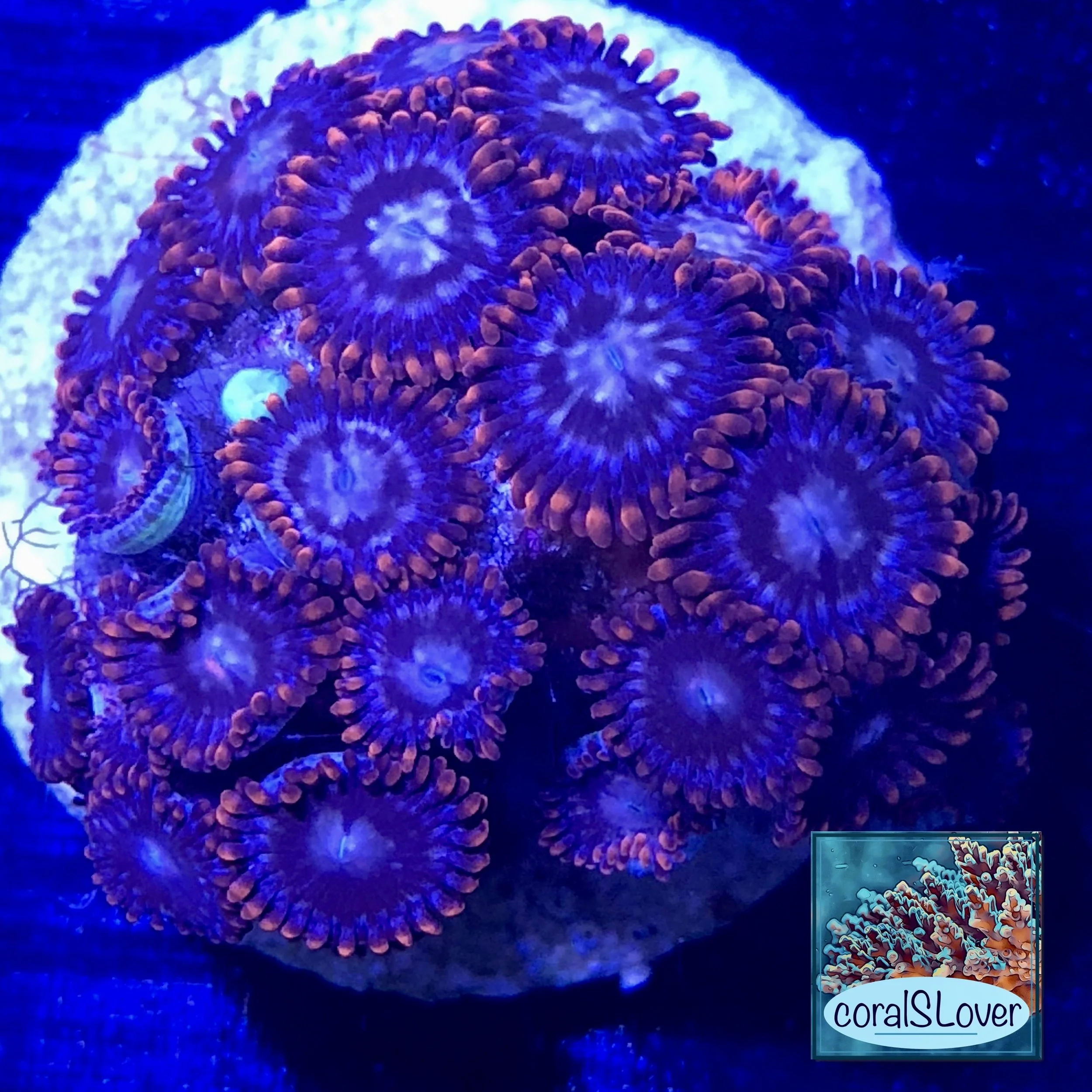
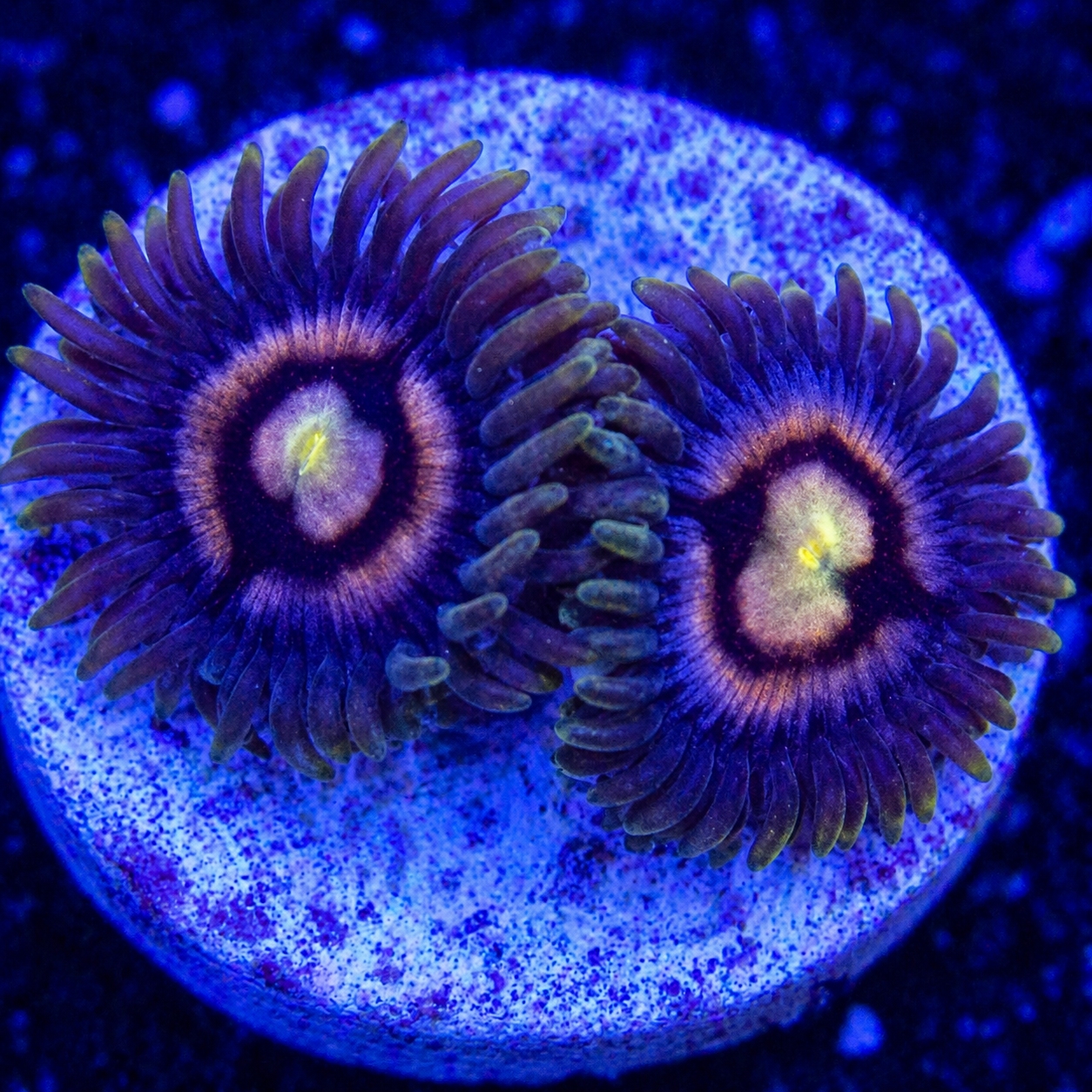
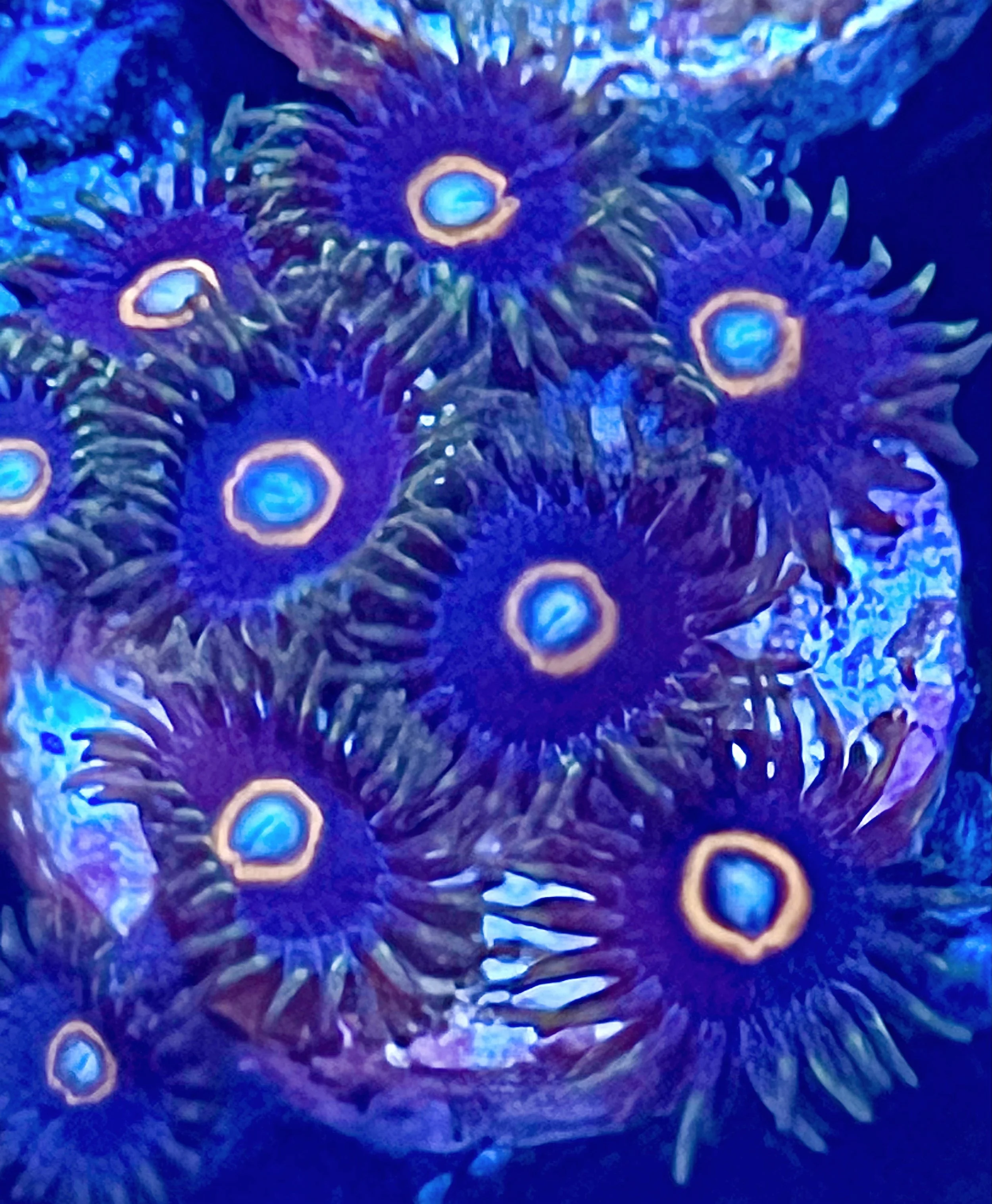
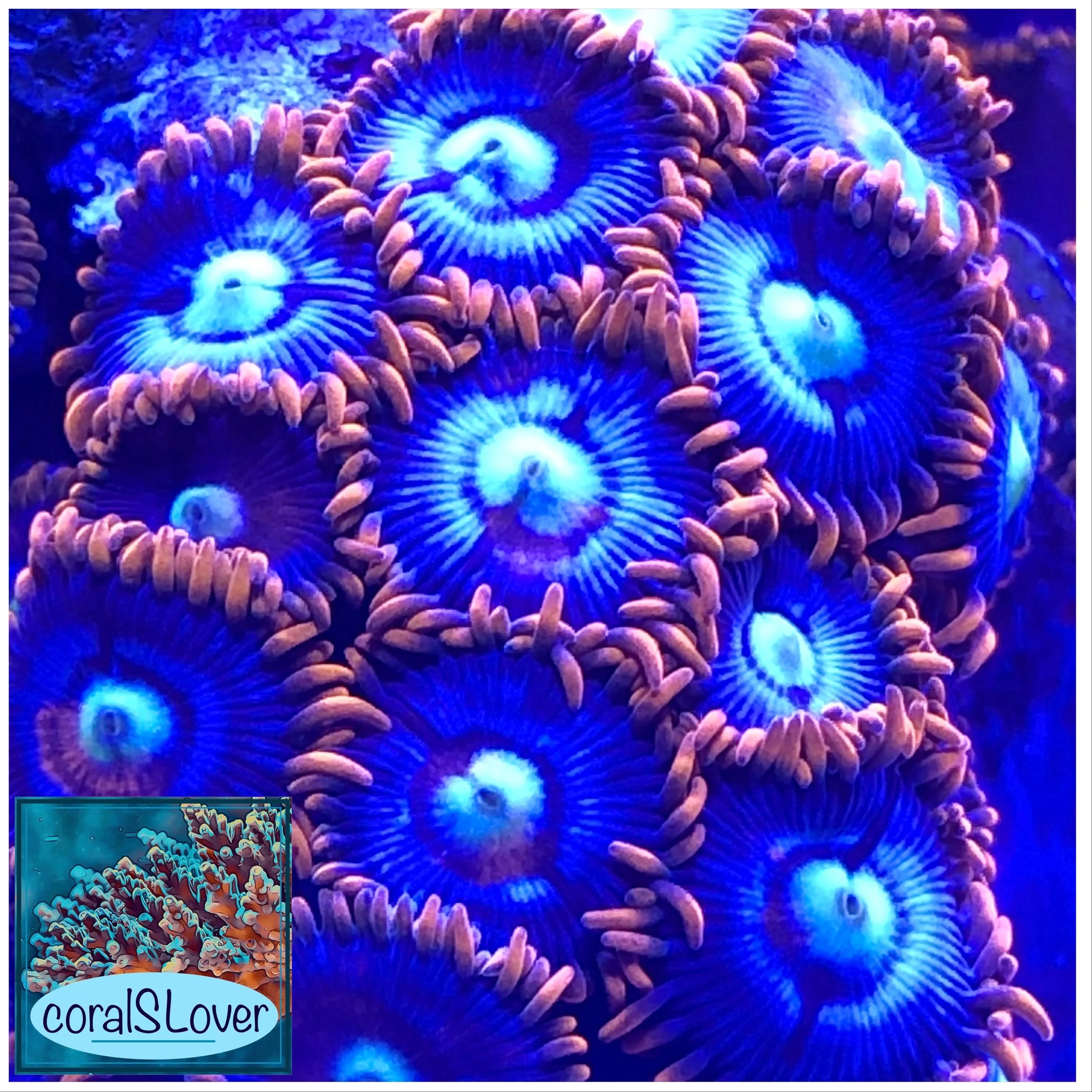
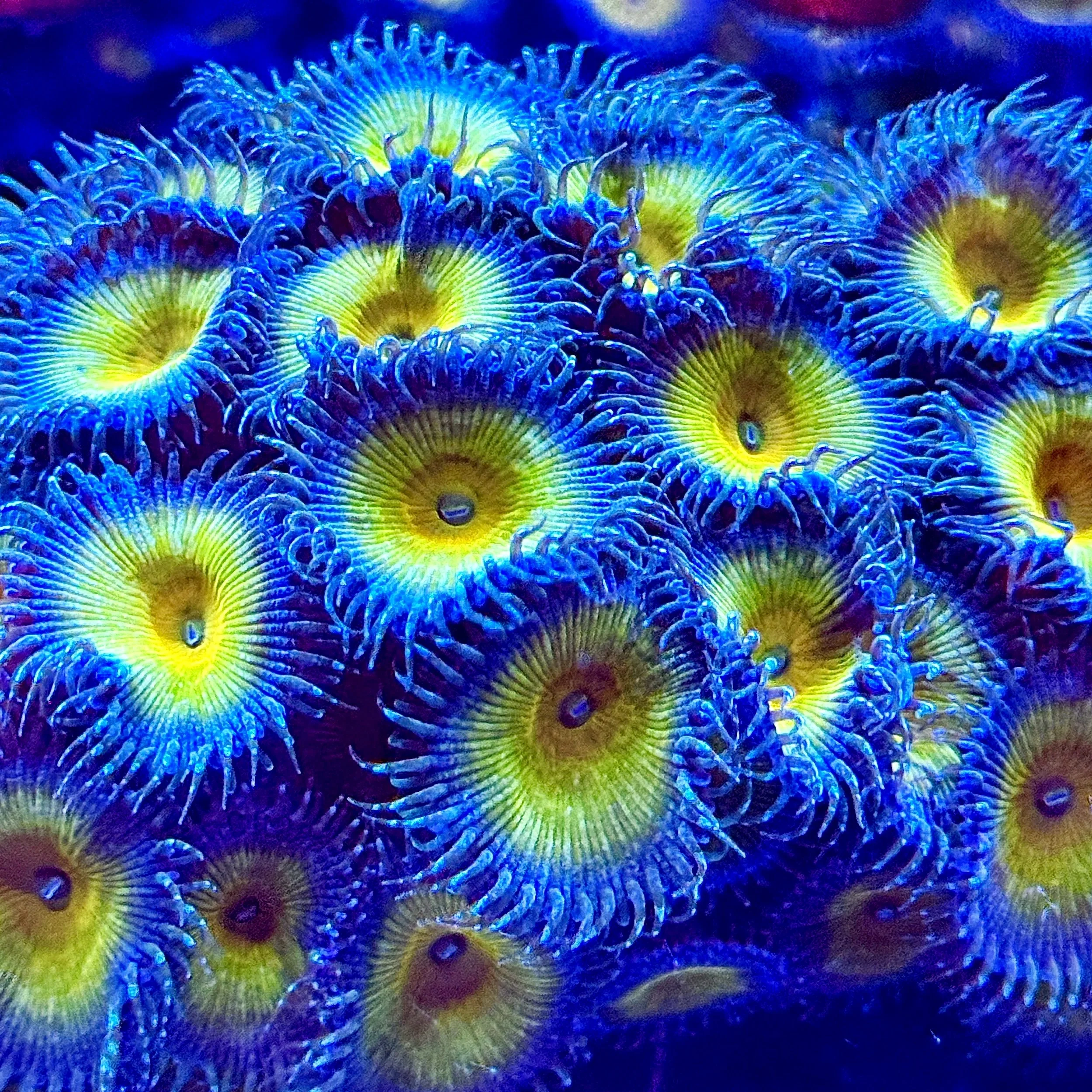
The Joe Schumacher Zoanthids (Zoanthus sp.) are a morph of colonial soft coral within the family Zoanthidae. They are known for their vivid pigmentation and hardy growth pattern, making them a desirable choice for both beginner and experienced reef aquarists. This morph features a dark brownish-blue base transitioning to a radiant orange-red skirt, glowing with intensity under actinic and blue-spectrum reef lighting.

Each polyp forms part of a coenosarc-connected colony, anchored by a mat-like structure that gradually encrusts rockwork or frag plugs. As they grow, colonies expand outward through stolon-like tissue, allowing for steady propagation without aggressive overgrowth.

At coralSLover®, every Joe Schumacher frag is 100% aquacultured, meaning it has been propagated in controlled, closed marine systems and never removed from natural reefs. This ensures excellent adaptation to captive environments and supports reef sustainability by eliminating the need for wild collection.

Scientific Notes:
Zoanthids like this morph contain symbiotic dinoflagellates (Symbiodinium spp., or zooxanthellae) within their tissues, which perform photosynthesis to provide energy. This mutualistic relationship reduces the need for heavy feeding, although supplemental nutrition (such as fine particulate coral foods or amino acids) can enhance coloration and growth.

Great For: Hobbyists seeking hardy, colorful aquacultured zoanthids; suitable for both mixed and dedicated zoanthid reefs.

Free Shipping When Qualified.

Size:

Joe Schumacher Zoanthids – Live Aquaculture Coral | coralSLover®

Classification: Regular Zoanthid Coral

The Joe Schumacher Zoanthids (Zoanthus sp.) are a morph of colonial soft coral within the family Zoanthidae. They are known for their vivid pigmentation and hardy growth pattern, making them a desirable choice for both beginner and experienced reef aquarists. This morph features a dark brownish-blue base transitioning to a radiant orange-red skirt, glowing with intensity under actinic and blue-spectrum reef lighting.

Each polyp forms part of a coenosarc-connected colony, anchored by a mat-like structure that gradually encrusts rockwork or frag plugs. As they grow, colonies expand outward through stolon-like tissue, allowing for steady propagation without aggressive overgrowth.

At coralSLover®, every Joe Schumacher frag is 100% aquacultured, meaning it has been propagated in controlled, closed marine systems and never removed from natural reefs. This ensures excellent adaptation to captive environments and supports reef sustainability by eliminating the need for wild collection.

Scientific Notes:
Zoanthids like this morph contain symbiotic dinoflagellates (Symbiodinium spp., or zooxanthellae) within their tissues, which perform photosynthesis to provide energy. This mutualistic relationship reduces the need for heavy feeding, although supplemental nutrition (such as fine particulate coral foods or amino acids) can enhance coloration and growth.

Great For: Hobbyists seeking hardy, colorful aquacultured zoanthids; suitable for both mixed and dedicated zoanthid reefs.

Free Shipping When Qualified.

Zoanthus (Zoas) – The Flowers of the Reef

Zoanthus, often called Zoas, are among the most popular and beginner-friendly corals in the reef-keeping hobby. Known as the “flowers of the reef,” they come in an endless variety of breathtaking color morphs—ranging from fiery oranges and glowing greens to neon blues and rainbow patterns. With their compact size and vibrant polyps, Zoas allow aquarists to create living gardens that transform aquariums into radiant underwater landscapes.

One of the most exciting aspects of Zoanthus is their rapid growth. When kept in stable conditions, they spread into colorful mats that cover rockwork and fill in empty spaces. Each polyp is unique, and the possibilities for mixing and matching morphs are virtually unlimited, making them a favorite for collectors who enjoy building diverse Zoa gardens.

Zoanthus are incredibly adaptable and can thrive in a wide range of aquarium conditions. They do well under medium to high lighting, with their brightest colors glowing under actinic or blue-spectrum light. They prefer medium to strong indirect water flow, which keeps polyps clean while allowing them to sway naturally. Zoas can be placed almost anywhere in the tank, from the sandbed to the rockwork. They are not inherently aggressive, though their rapid growth can make them invasive if left unchecked, as colonies may overgrow slower-growing corals. While they gain much of their energy from light, Zoanthus also benefit from nutrient-rich environments and occasional feeding, which can encourage faster growth and even more vibrant colors.

At coralSLover, we proudly offer a curated selection of aquacultured Zoanthus in many stunning morphs. Whether you are new to reef-keeping or a seasoned collector, these hardy and colorful corals will mesmerize you with their beauty and adaptability. Build your own Zoa garden and experience firsthand why Zoanthus remain one of the most beloved corals in the reefing world.

Care & Placement Zoanthids

Lighting:

Spiderman Zoas thrive under moderate to high lighting, with their colors glowing most intensely under actinic/blue spectrum light. Always acclimate new frags gradually to avoid light shock and stress.

Flow:

A moderate water flow is ideal—enough to keep the polyps clean and gently moving. Too much flow can inhibit full extension, while too little may allow detritus to accumulate.

Placement:

Place frags on rock islands, frag racks, lower or middle rockwork, where they can encrust and spread into vibrant colonies. Vertical placement can help encourage fuller polyp extension.

Growth:

Once established, Spiderman Zoas show steady to fast growth, forming colorful mats that make excellent focal points in a Zoa garden.

Difficulty:

Beginner to intermediate friendly—these Zoas are hardy, adaptable, and rewarding under stable reef conditions.

Sustainability:

This coral is fully aquacultured and never wild-collected, supporting eco-conscious and responsible reef keeping.