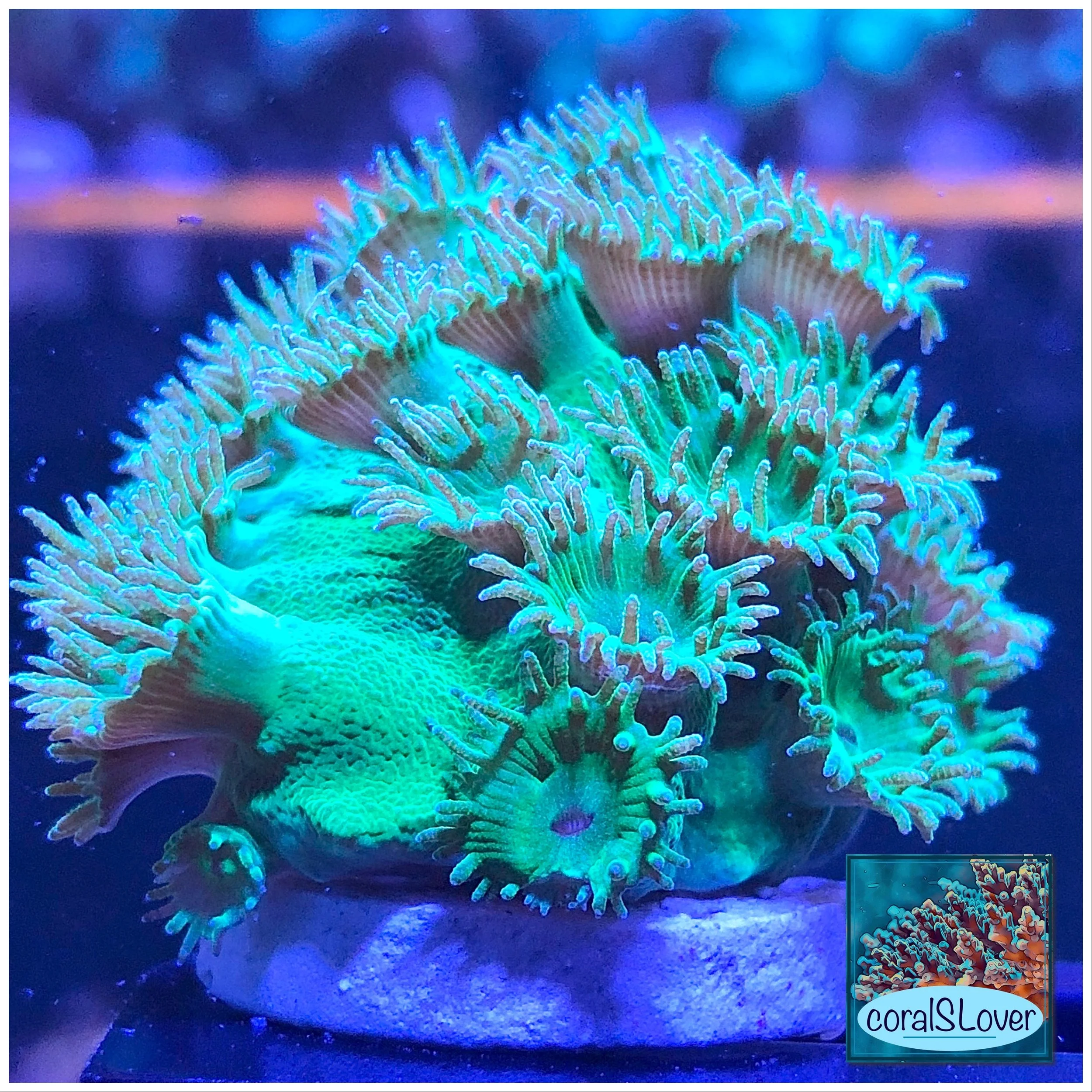
Green Turbinaria Cup Scroll Coral

$49.95
sold out

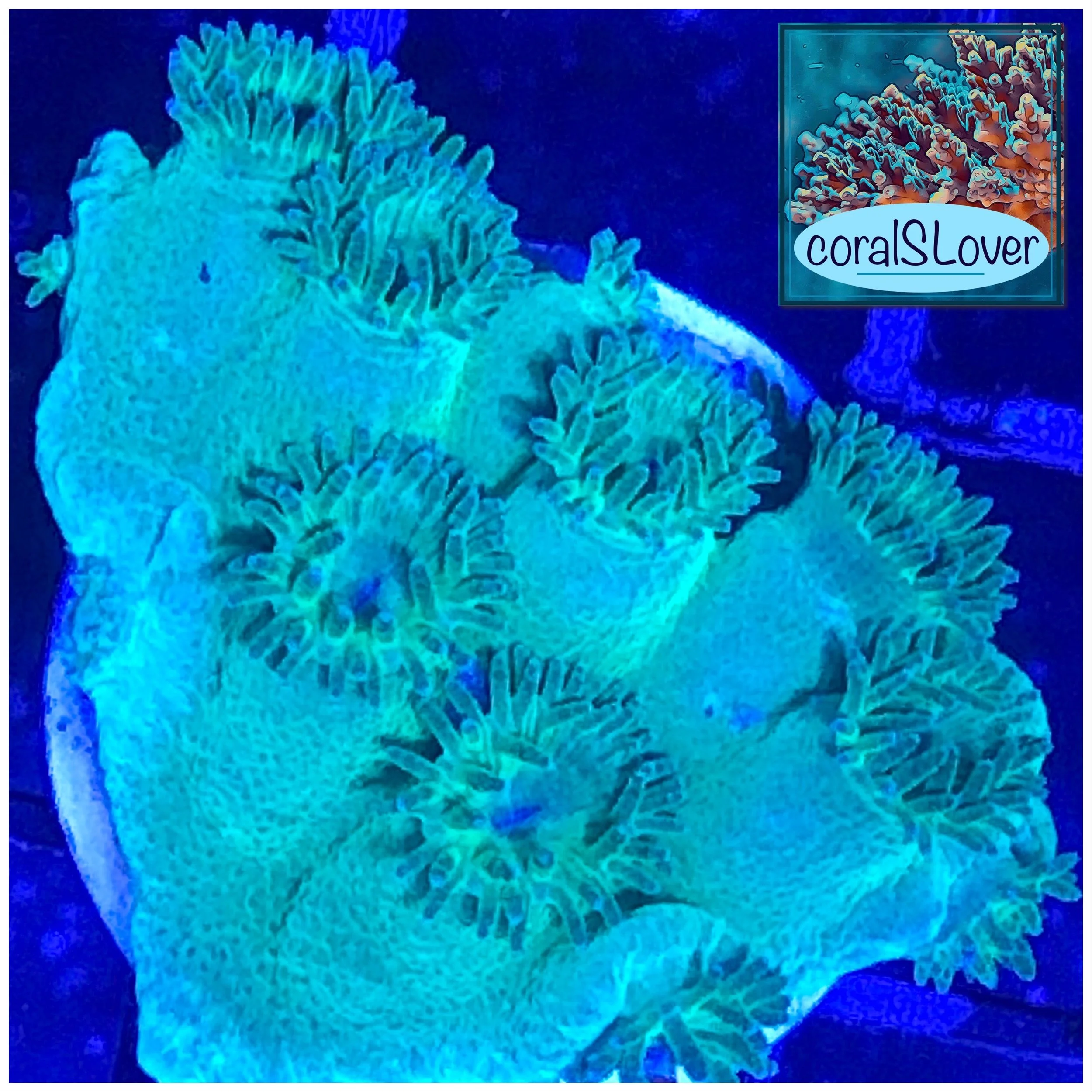
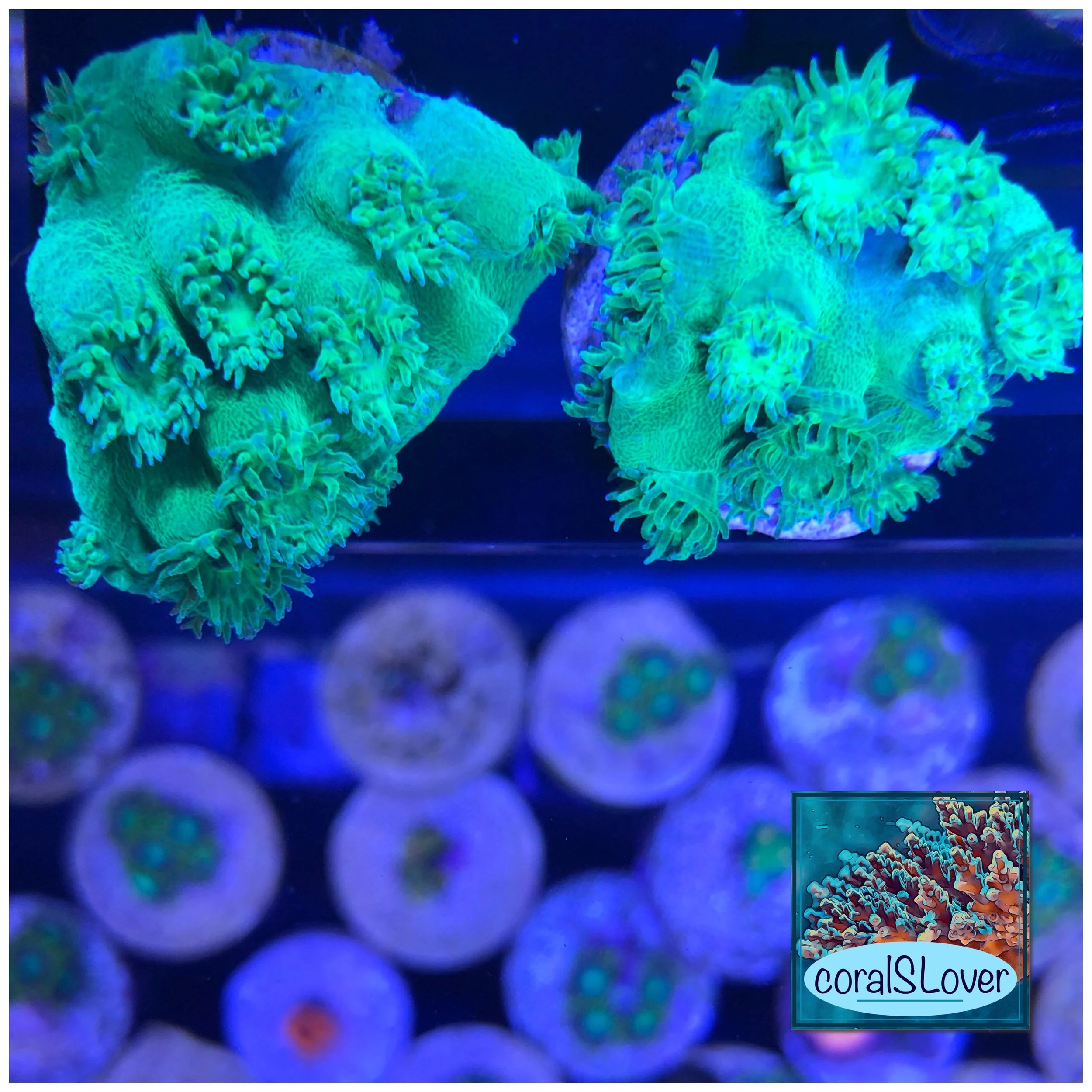
Turbinaria Scroll Coral – Green Cup | LPS Coral | Scroll / Cup Growth | Neon Green Polyps

Classification: Intermediate LPS Coral

Common Name: Turbinaria Scroll Coral / Green Cup Turbinaria

Scientific Name: Turbinaria sp.

Coral Type: LPS (Large Polyp Stony)

Growth Form: Scroll / cup-forming plates

Coloration: Neon green polyps and tissue

Turbinaria Scroll Corals are visually distinctive large polyp stony corals known for their dramatic swirling, plate-like growth and extended polyps that emerge from the surface of the scroll. As the coral matures, it develops layered cups and flowing curves that create strong architectural interest within reef aquariums.

The Green Cup Turbinaria variety is especially prized for its vibrant green coloration, which contrasts beautifully against the coral’s sculpted skeletal structure. When fully extended, the polyps add texture and subtle movement, giving the coral a refined yet dynamic appearance under reef lighting.

Compared to many common LPS corals, Turbinaria grows at a slower, more deliberate pace and can be slightly more sensitive to changes in water quality. Stable parameters and careful placement are important for long-term success. While many Turbinaria varieties are known for bright yellow coloration, green specimens are less common and highly sought after for their bold, modern look.

This coral performs best under moderate lighting and low to moderate flow, which allows the polyps to extend fully without stress. Excessive flow may cause retraction and slow growth. With proper care, Turbinaria Scroll Corals reward reef keepers with unique structure and long-term visual impact.

Frag Size:

Approximately 1.5" when fully open
(Scroll formation develops progressively with growth)

Great For

Reef keepers seeking unique architectural corals, collectors interested in uncommon LPS growth forms, and aquascapes that benefit from vertical and layered structure.

Free shipping when qualified.

Turbinaria Scroll Coral – Green Cup | LPS Coral | Scroll / Cup Growth | Neon Green Polyps

Classification: Intermediate LPS Coral

Common Name: Turbinaria Scroll Coral / Green Cup Turbinaria

Scientific Name: Turbinaria sp.

Coral Type: LPS (Large Polyp Stony)

Growth Form: Scroll / cup-forming plates

Coloration: Neon green polyps and tissue

Turbinaria Scroll Corals are visually distinctive large polyp stony corals known for their dramatic swirling, plate-like growth and extended polyps that emerge from the surface of the scroll. As the coral matures, it develops layered cups and flowing curves that create strong architectural interest within reef aquariums.

The Green Cup Turbinaria variety is especially prized for its vibrant green coloration, which contrasts beautifully against the coral’s sculpted skeletal structure. When fully extended, the polyps add texture and subtle movement, giving the coral a refined yet dynamic appearance under reef lighting.

Compared to many common LPS corals, Turbinaria grows at a slower, more deliberate pace and can be slightly more sensitive to changes in water quality. Stable parameters and careful placement are important for long-term success. While many Turbinaria varieties are known for bright yellow coloration, green specimens are less common and highly sought after for their bold, modern look.

This coral performs best under moderate lighting and low to moderate flow, which allows the polyps to extend fully without stress. Excessive flow may cause retraction and slow growth. With proper care, Turbinaria Scroll Corals reward reef keepers with unique structure and long-term visual impact.

Frag Size:

Approximately 1.5" when fully open
(Scroll formation develops progressively with growth)

Great For

Reef keepers seeking unique architectural corals, collectors interested in uncommon LPS growth forms, and aquascapes that benefit from vertical and layered structure.

Free shipping when qualified.

Size:
Dunkan (Duncanopsammia) Coral Dunkan (Duncanopsammia) Coral Dunkan (Duncanopsammia) Coral Dunkan (Duncanopsammia) Coral Dunkan (Duncanopsammia) Coral Dunkan (Duncanopsammia) Coral
Size:
Size:
Emerald Green Turbinaria Scroll Coral Emerald Green Turbinaria Scroll Coral Emerald Green Turbinaria Scroll Coral
Size:

LPS Corals – Colorful, Hardy, and Easy to Enjoy

LPS corals, or Large Polyp Stony Corals, are one of the most popular types of corals for reef aquariums. Unlike SPS corals, which have tiny polyps, LPS corals have larger, fleshy polyps that expand and move with the water, giving them a lively, flowing appearance. Their solid calcium skeletons provide structure to your reef, while their soft, colorful polyps bring vibrant color and texture that can transform a tank into a dynamic underwater garden.

LPS corals are beloved by both beginners and experienced hobbyists because they are hardy and relatively easy to care for, yet still offer striking colors and patterns. Many species, like Acan, Blastomussa, Candy Cane, Chalice, Frogspawn, Galaxea, Hammer, Lobo/Brain, and Torch, can thrive under moderate lighting and medium water flow, making them versatile for most reef setups. Their large mouths allow them to feed effectively, and occasional target feeding can encourage faster growth and more intense coloration.

At coralSLover, all our LPS corals are aquacultured, meaning they are sustainably grown in controlled systems to ensure they adapt successfully to home aquariums. This gives your reef a better chance of thriving, with healthy, vibrant corals that are easier to maintain. Whether you’re starting your first reef or adding colorful accents to an established tank, LPS corals are a favorite choice for creating movement, beauty, and life in any marine display. 

Care at a Glance – LPS Corals

Lighting: Moderate to moderately high lighting brings out vibrant coloration and supports steady growth. Many LPS prefer indirect or slightly shaded areas to avoid tissue stress.

Flow: Moderate, indirect water movement is ideal. Gentle but consistent flow keeps polyps clean and extended without damaging their fleshy tissue.

Placement: Mid to lower rockwork or sandbed is often best. Allow ample space between colonies, as many LPS have long sweeper tentacles and can sting neighbors.

Water Quality: Stable parameters are key — maintain balanced alkalinity, calcium, and magnesium levels with low to moderate nutrients. Sudden changes can stress fleshy polyps.

Feeding: LPS benefit from targeted or occasional broadcast feeding of meaty or particulate foods to support faster growth and vibrant coloration.

Difficulty: Beginner to intermediate friendly — many LPS are hardy but appreciate consistent conditions and occasional feeding for best results.

Sustainability: Fully aquacultured, zero wild collection — responsibly grown and well adapted to aquarium life.