

 Image 1 of 5
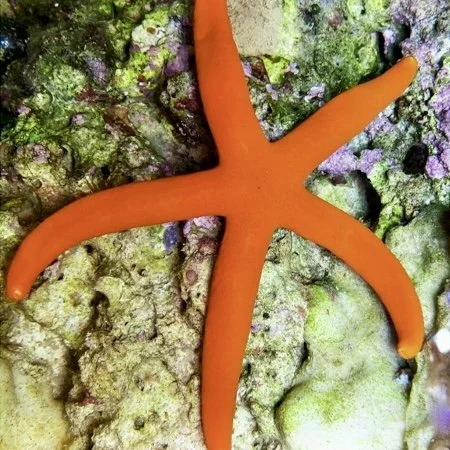 Image 2 of 5
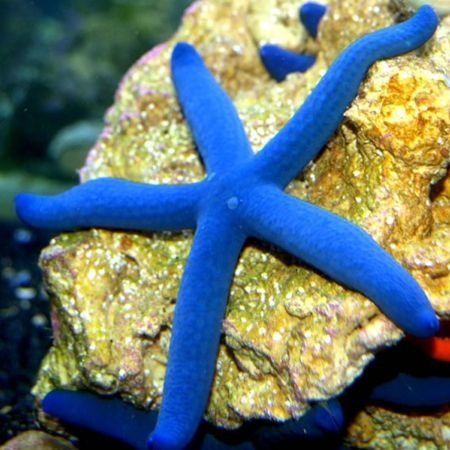 Image 3 of 5
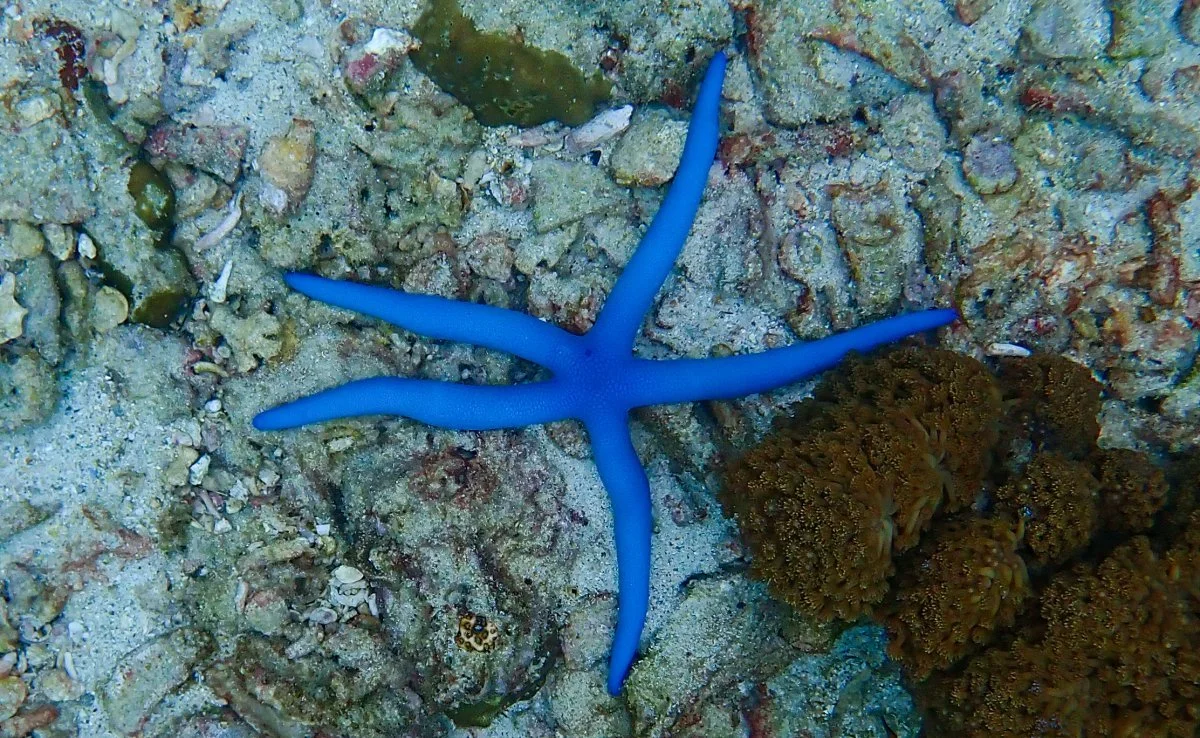 Image 4 of 5
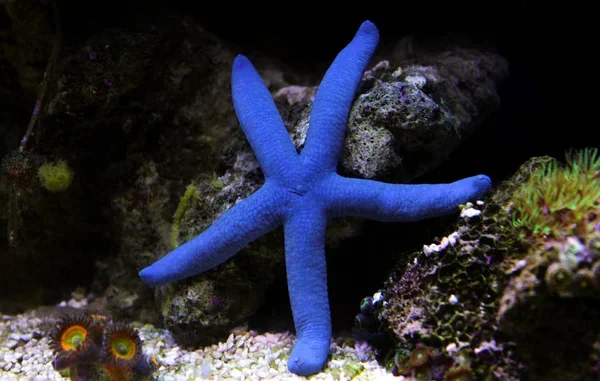 Image 5 of 5
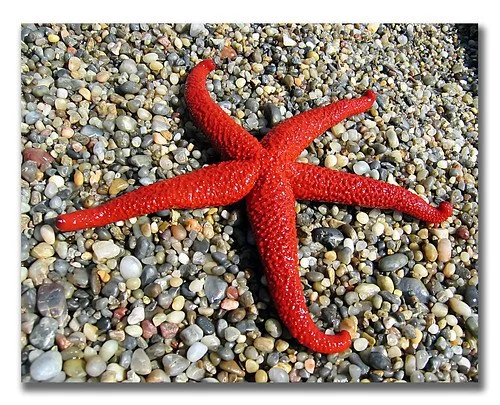
The Linckia Starfish (genus Linckia) is one of the most iconic and visually striking sea stars in the marine aquarium hobby. Best known for its vivid coloration, particularly the famous Blue Linckia (Linckia laevigata), these starfish add elegance, movement, and natural diversity to established reef aquariums.
Linckia starfish are peaceful, reef-safe, and long-lived when housed in stable, mature systems. While they require more careful handling and acclimation than other invertebrates, they reward experienced aquarists with their graceful movement and vibrant appearance. Linckia starfish vary in color depending on species and region. Body texture is smooth and matte, with long, slender arms (typically 5) and gentle, gliding movement.
Linckias are slow-moving, peaceful echinoderms that spend their time traveling across rockwork and glass. In the wild, they inhabit shallow to mid-depth reef zones across the Indo-Pacific, including Fiji, the Red Sea, Micronesia, and the Great Barrier Reef.
They are considered reef safe, interacting gently with corals and tankmates.
Linckia starfish are sensitive and do best in mature aquariums with abundant biofilm and live rock.
Tank Size: 75+ gallons recommended
Tank Age: 6–12 months established
Diet: Biofilm, microalgae, detritus, bacterial films, sponge surfaces
Acclimation: Slow drip acclimation only
Handling: Never expose to open air
Water Quality: Must remain extremely stable
Salinity: 1.025–1.026 (higher stability preferred)
Copper medications
Rapid salinity changes
Nitrate spikes
Overly “clean” or new aquariums with insufficient natural film
Most feeding occurs naturally through grazing. For long-term success, provide:
Mature live rock
Stable nutrient levels
Occasional supplemental meaty foods (finely minced) placed underneath the starfish
A mature reef system is essential for sustaining these animals.
Compatible with peaceful reef-safe fish and invertebrates:
Clownfish
Firefish (Nemateleotris magnifica)
Royal Gramma (Gramma loreto)
Cleaner Shrimp (Lysmata spp.)
Banded Coral Shrimp (Stenopus hispidus)
Triggerfish
Puffers
Large hermit crabs
Predatory wrasses
Parasitic snails
Linckia starfish may regenerate arms and, in rare cases, reproduce asexually from a fragment of the central disk. This is not guaranteed and should be considered a natural bonus, not an expectation.
Large, mature reef tanks
Experienced aquarists
Peaceful community systems
Tanks needing movement and visual contrast
Hobbyists wanting centerpiece-level invertebrates
Drip acclimate only (minimum 45–60 minutes)
Never expose to air
Avoid aggressive tank mates
Requires mature, rock-rich systems
Sensitive to poor water quality and salinity swings
The Linckia Starfish (genus Linckia) is one of the most iconic and visually striking sea stars in the marine aquarium hobby. Best known for its vivid coloration, particularly the famous Blue Linckia (Linckia laevigata), these starfish add elegance, movement, and natural diversity to established reef aquariums.
Linckia starfish are peaceful, reef-safe, and long-lived when housed in stable, mature systems. While they require more careful handling and acclimation than other invertebrates, they reward experienced aquarists with their graceful movement and vibrant appearance. Linckia starfish vary in color depending on species and region. Body texture is smooth and matte, with long, slender arms (typically 5) and gentle, gliding movement.
Linckias are slow-moving, peaceful echinoderms that spend their time traveling across rockwork and glass. In the wild, they inhabit shallow to mid-depth reef zones across the Indo-Pacific, including Fiji, the Red Sea, Micronesia, and the Great Barrier Reef.
They are considered reef safe, interacting gently with corals and tankmates.
Linckia starfish are sensitive and do best in mature aquariums with abundant biofilm and live rock.
Tank Size: 75+ gallons recommended
Tank Age: 6–12 months established
Diet: Biofilm, microalgae, detritus, bacterial films, sponge surfaces
Acclimation: Slow drip acclimation only
Handling: Never expose to open air
Water Quality: Must remain extremely stable
Salinity: 1.025–1.026 (higher stability preferred)
Copper medications
Rapid salinity changes
Nitrate spikes
Overly “clean” or new aquariums with insufficient natural film
Most feeding occurs naturally through grazing. For long-term success, provide:
Mature live rock
Stable nutrient levels
Occasional supplemental meaty foods (finely minced) placed underneath the starfish
A mature reef system is essential for sustaining these animals.
Compatible with peaceful reef-safe fish and invertebrates:
Clownfish
Firefish (Nemateleotris magnifica)
Royal Gramma (Gramma loreto)
Cleaner Shrimp (Lysmata spp.)
Banded Coral Shrimp (Stenopus hispidus)
Triggerfish
Puffers
Large hermit crabs
Predatory wrasses
Parasitic snails
Linckia starfish may regenerate arms and, in rare cases, reproduce asexually from a fragment of the central disk. This is not guaranteed and should be considered a natural bonus, not an expectation.
Large, mature reef tanks
Experienced aquarists
Peaceful community systems
Tanks needing movement and visual contrast
Hobbyists wanting centerpiece-level invertebrates
Drip acclimate only (minimum 45–60 minutes)
Never expose to air
Avoid aggressive tank mates
Requires mature, rock-rich systems
Sensitive to poor water quality and salinity swings