Wild Cherry Favia Coral

$39.95

Wild Cherry Favia – Aquacultured LPS Coral | coralSLover®

Classification: Collector LPS Coral

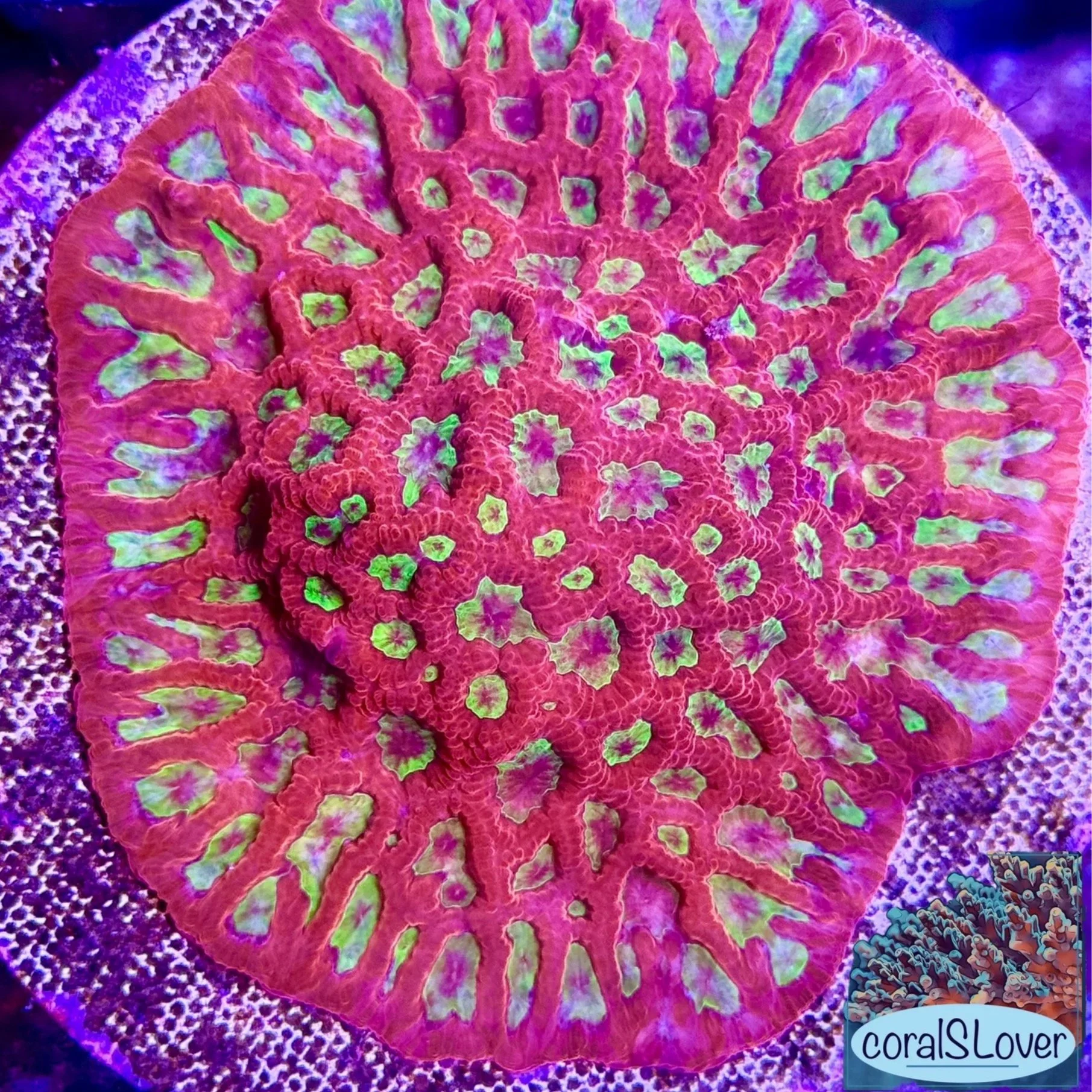
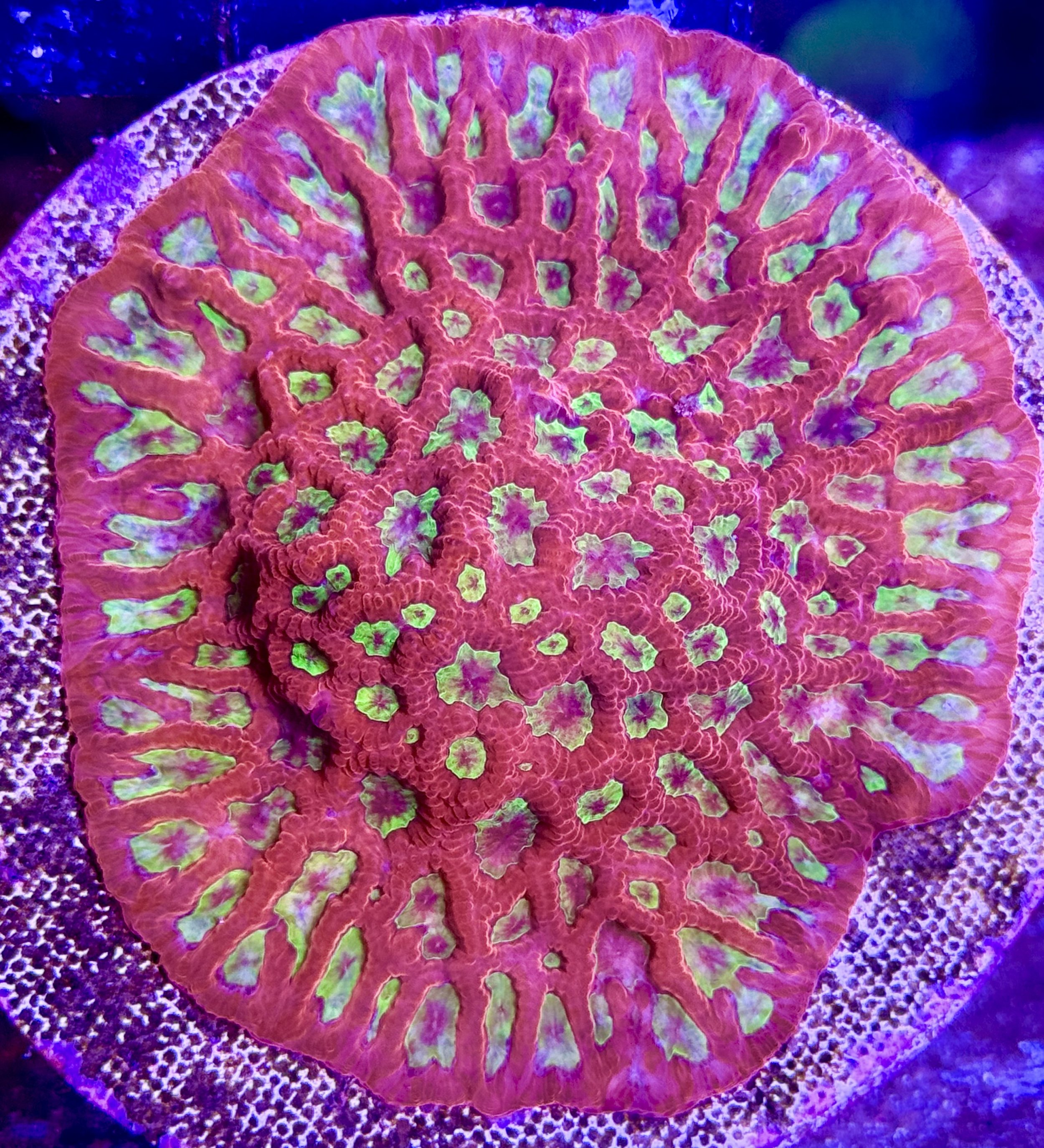
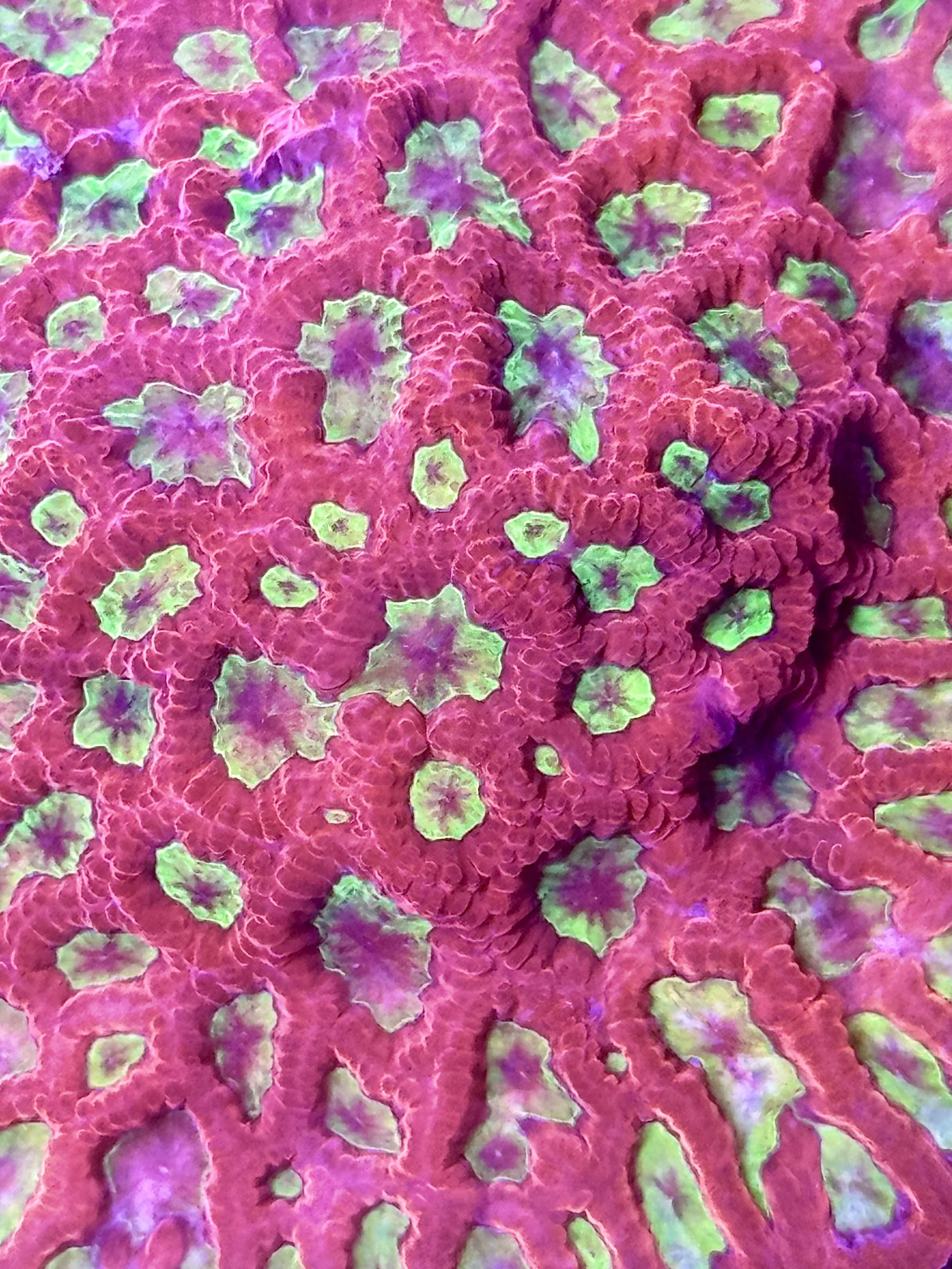
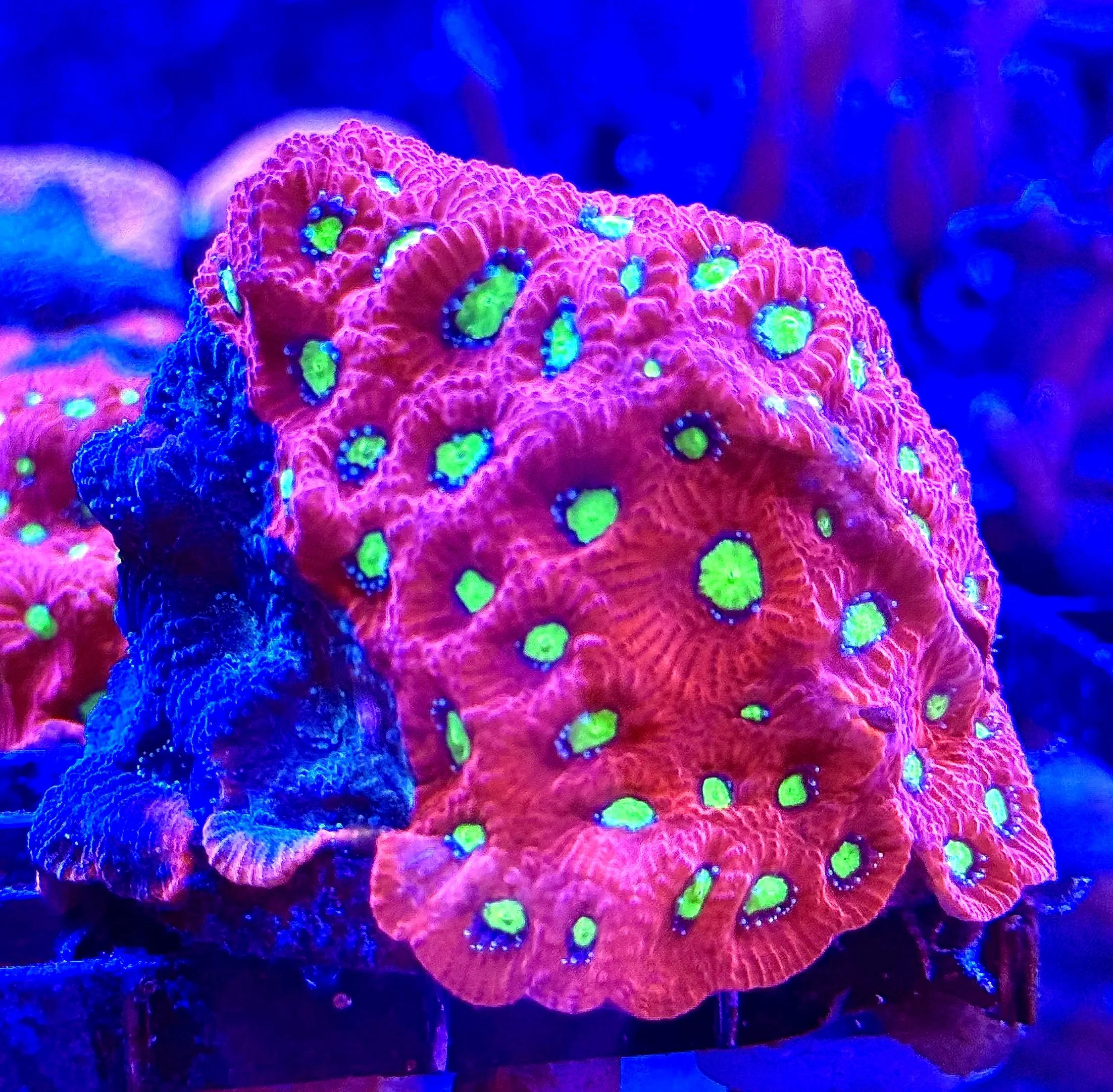
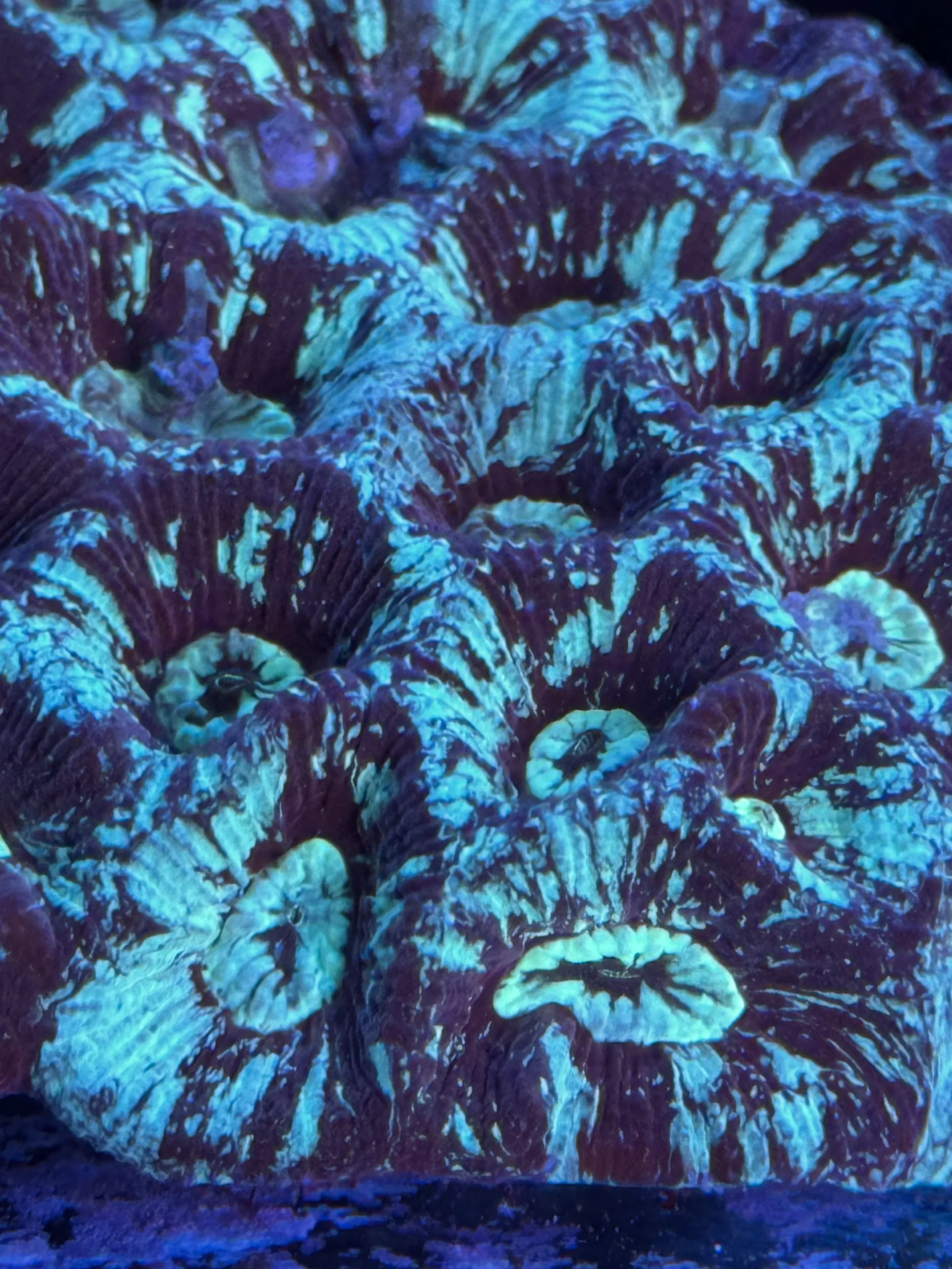
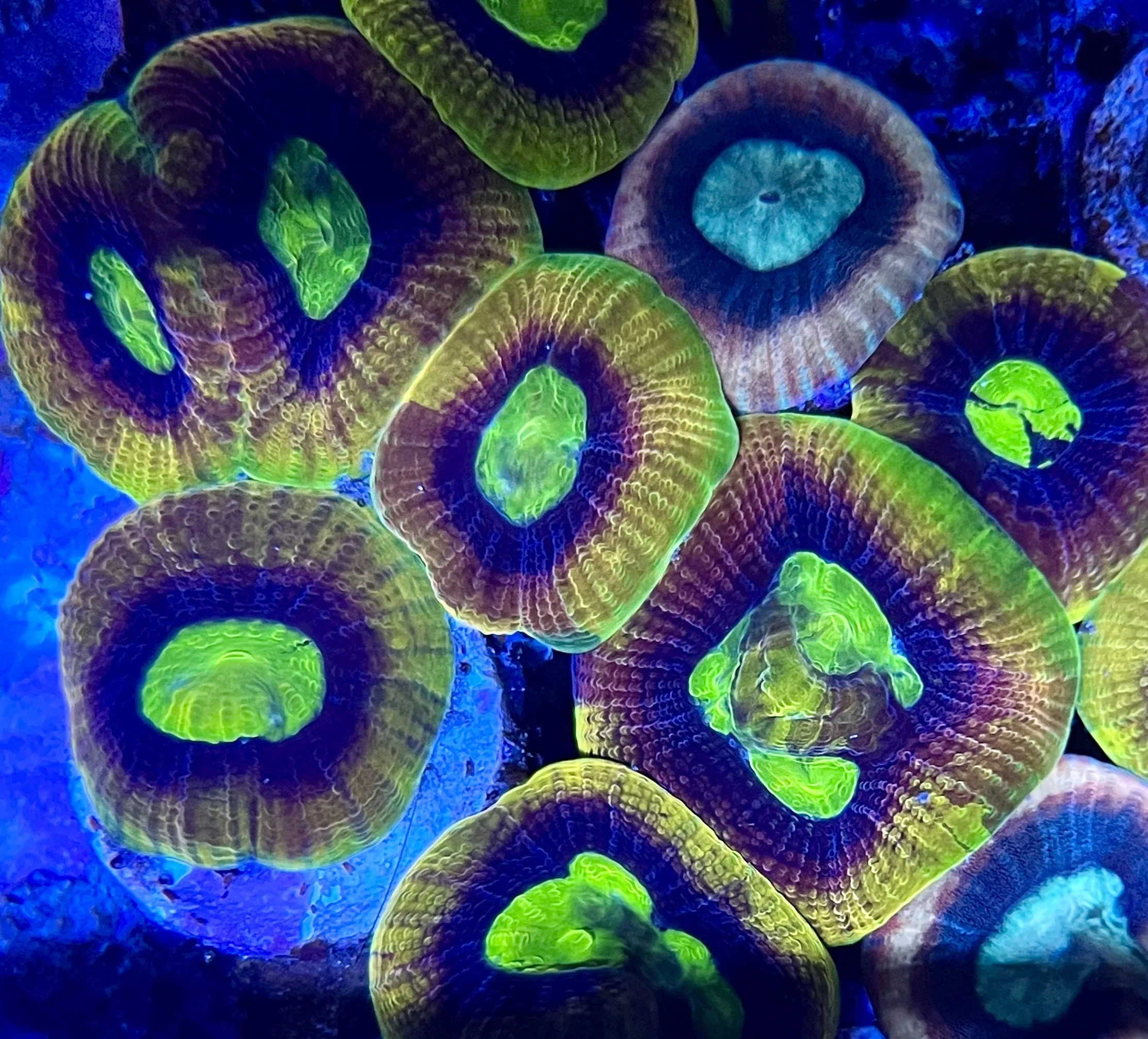
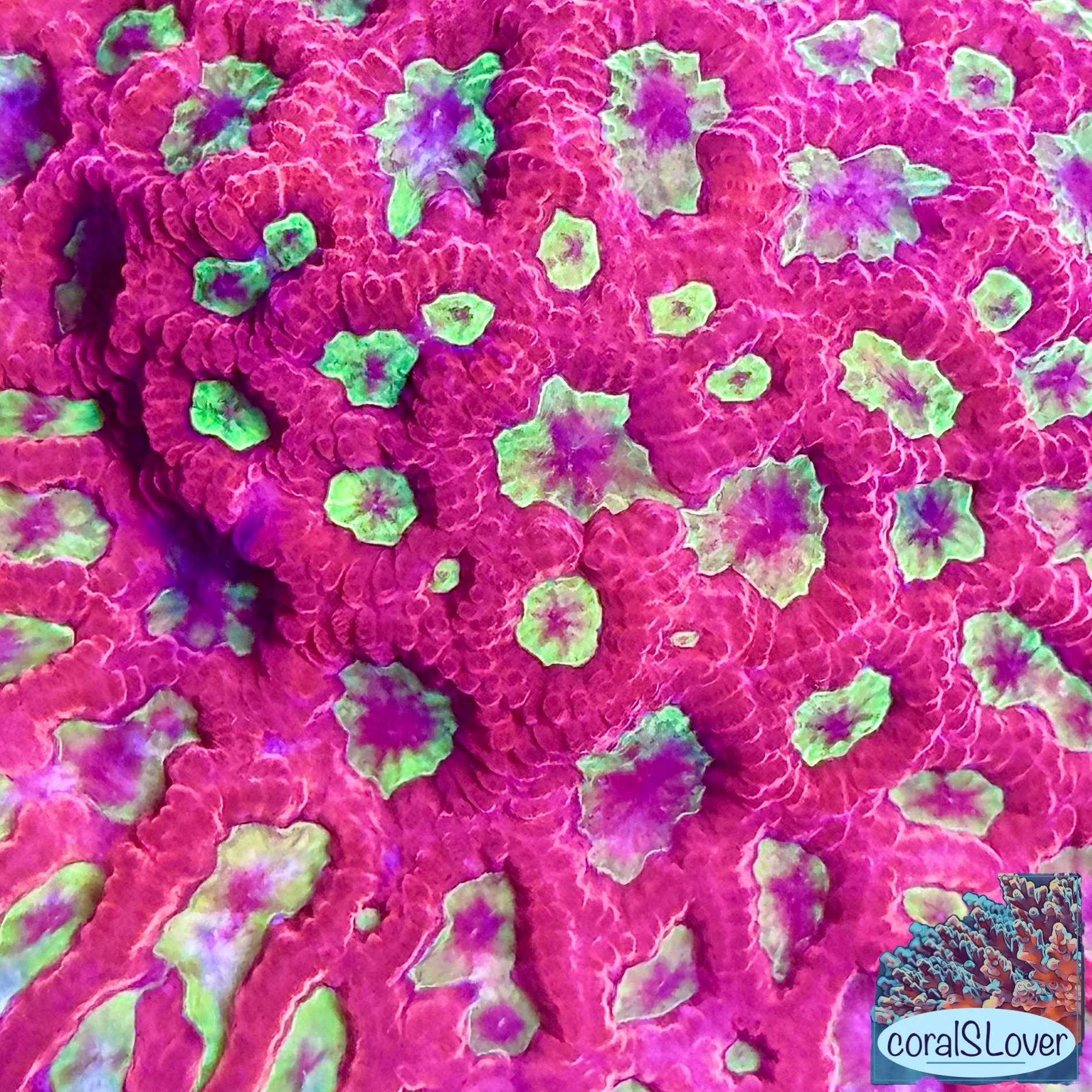
The Wild Cherry Favia is a bold, high-contrast LPS coral distinguished by its deep cherry-red to magenta base coloration paired with intensely fluorescent lime-green centers. Each corallite is clearly defined, creating a mosaic of glowing green “eyes” set into richly textured red tissue. Under blue and actinic lighting, subtle lavender and violet huesemerge within the centers, adding depth and a layered, almost starburst-like appearance.

This coral displays thick, fleshy tissue with strong polyp definition and a healthy, inflated structure hallmarks of a well-established, aquacultured Favia. The contrast between the saturated red base and the neon green corallites makes this morph stand out immediately, even among other high-end LPS specimens.

Grown entirely in coralSLover®’s indoor, land-based aquaculture systems, this Wild Cherry Favia is fully adapted to aquarium life. It has never been harvested from the wild in its current form and is carefully propagated, healed, and conditioned for long-term success in home reef aquariums.

Color & Morphology

  • Base: Cherry red to hot magenta

  • Centers: Neon lime-green with lavender/violet undertones

  • Highlights: Occasional golden-yellow accents

  • Texture: Thick, fleshy, deeply sculpted tissue

  • Growth Form: Encrusting to gently domed over time

Size Available

Frag: ~1.5” fully healed frag

Colonies: Available periodically through our aquaculture program

Great For

LPS collectors seeking high-contrast coloration

Reefers wanting a bold centerpiece coral

Hobbyists upgrading from standard Favia morphs

Free Shipping When Qualified

Wild Cherry Favia – Aquacultured LPS Coral | coralSLover®

Classification: Collector LPS Coral

The Wild Cherry Favia is a bold, high-contrast LPS coral distinguished by its deep cherry-red to magenta base coloration paired with intensely fluorescent lime-green centers. Each corallite is clearly defined, creating a mosaic of glowing green “eyes” set into richly textured red tissue. Under blue and actinic lighting, subtle lavender and violet huesemerge within the centers, adding depth and a layered, almost starburst-like appearance.

This coral displays thick, fleshy tissue with strong polyp definition and a healthy, inflated structure hallmarks of a well-established, aquacultured Favia. The contrast between the saturated red base and the neon green corallites makes this morph stand out immediately, even among other high-end LPS specimens.

Grown entirely in coralSLover®’s indoor, land-based aquaculture systems, this Wild Cherry Favia is fully adapted to aquarium life. It has never been harvested from the wild in its current form and is carefully propagated, healed, and conditioned for long-term success in home reef aquariums.

Color & Morphology

  • Base: Cherry red to hot magenta

  • Centers: Neon lime-green with lavender/violet undertones

  • Highlights: Occasional golden-yellow accents

  • Texture: Thick, fleshy, deeply sculpted tissue

  • Growth Form: Encrusting to gently domed over time

Size Available

Frag: ~1.5” fully healed frag

Colonies: Available periodically through our aquaculture program

Great For

LPS collectors seeking high-contrast coloration

Reefers wanting a bold centerpiece coral

Hobbyists upgrading from standard Favia morphs

Free Shipping When Qualified

Size:
Favites Pentagona “War Coral” Coral Favites Pentagona “War Coral” Coral Favites Pentagona “War Coral” Coral
Size:
Frozen Star Favia Coral Frozen Star Favia Coral Frozen Star Favia Coral Frozen Star Favia Coral
Size:
Dragon's Envy Favia Coral Dragon's Envy Favia Coral Dragon's Envy Favia Coral Dragon's Envy Favia Coral Dragon's Envy Favia Coral
Size:

LPS Corals – Colorful, Hardy, and Easy to Enjoy

LPS corals, or Large Polyp Stony Corals, are one of the most popular types of corals for reef aquariums. Unlike SPS corals, which have tiny polyps, LPS corals have larger, fleshy polyps that expand and move with the water, giving them a lively, flowing appearance. Their solid calcium skeletons provide structure to your reef, while their soft, colorful polyps bring vibrant color and texture that can transform a tank into a dynamic underwater garden.

LPS corals are beloved by both beginners and experienced hobbyists because they are hardy and relatively easy to care for, yet still offer striking colors and patterns. Many species, like Acan, Blastomussa, Candy Cane, Chalice, Frogspawn, Galaxea, Hammer, Lobo/Brain, and Torch, can thrive under moderate lighting and medium water flow, making them versatile for most reef setups. Their large mouths allow them to feed effectively, and occasional target feeding can encourage faster growth and more intense coloration.

At coralSLover, all our LPS corals are aquacultured, meaning they are sustainably grown in controlled systems to ensure they adapt successfully to home aquariums. This gives your reef a better chance of thriving, with healthy, vibrant corals that are easier to maintain. Whether you’re starting your first reef or adding colorful accents to an established tank, LPS corals are a favorite choice for creating movement, beauty, and life in any marine display. 

Care at a Glance – LPS Corals

Lighting: Moderate to moderately high lighting brings out vibrant coloration and supports steady growth. Many LPS prefer indirect or slightly shaded areas to avoid tissue stress.

Flow: Moderate, indirect water movement is ideal. Gentle but consistent flow keeps polyps clean and extended without damaging their fleshy tissue.

Placement: Mid to lower rockwork or sandbed is often best. Allow ample space between colonies, as many LPS have long sweeper tentacles and can sting neighbors.

Water Quality: Stable parameters are key — maintain balanced alkalinity, calcium, and magnesium levels with low to moderate nutrients. Sudden changes can stress fleshy polyps.

Feeding: LPS benefit from targeted or occasional broadcast feeding of meaty or particulate foods to support faster growth and vibrant coloration.

Difficulty: Beginner to intermediate friendly — many LPS are hardy but appreciate consistent conditions and occasional feeding for best results.

Sustainability: Fully aquacultured, zero wild collection — responsibly grown and well adapted to aquarium life.