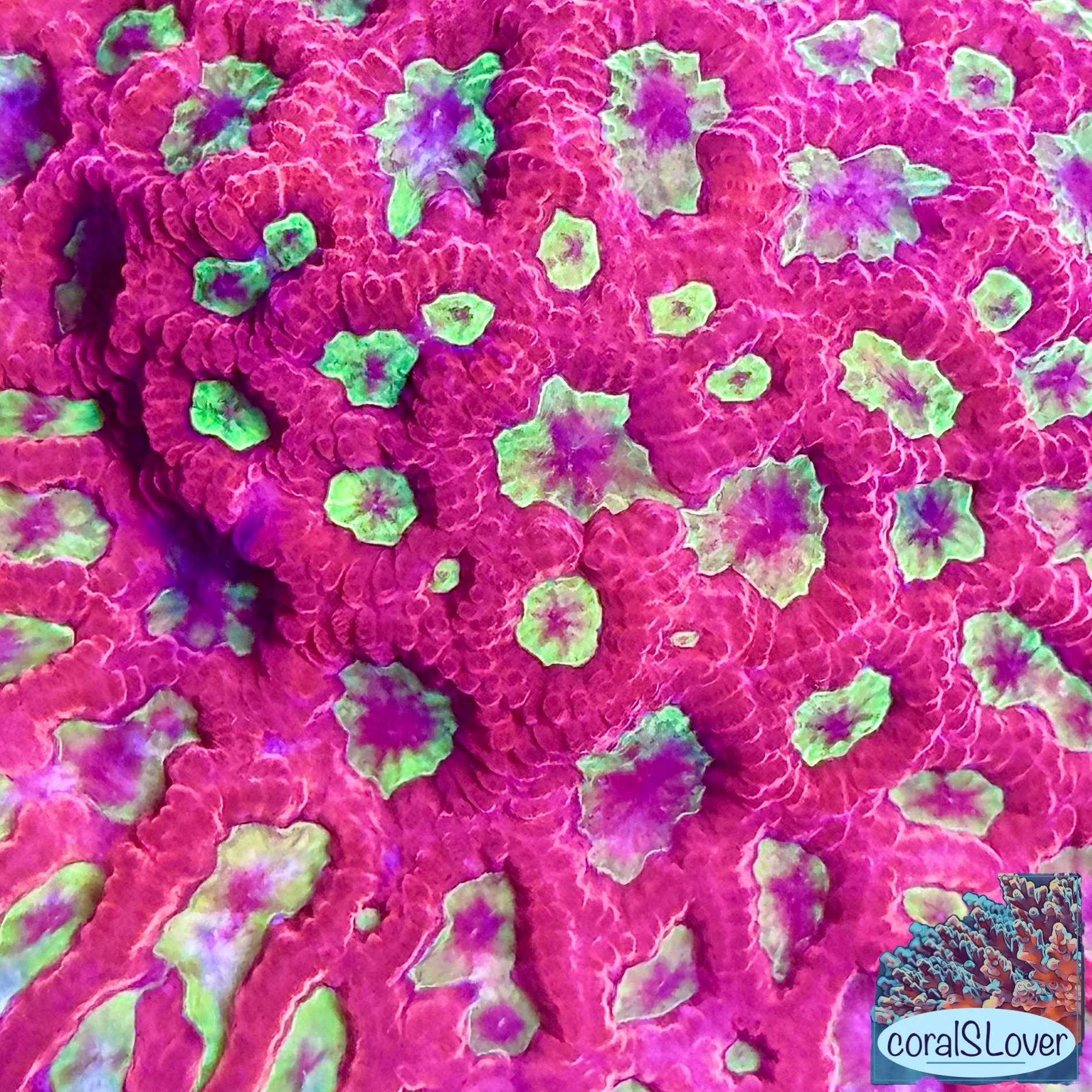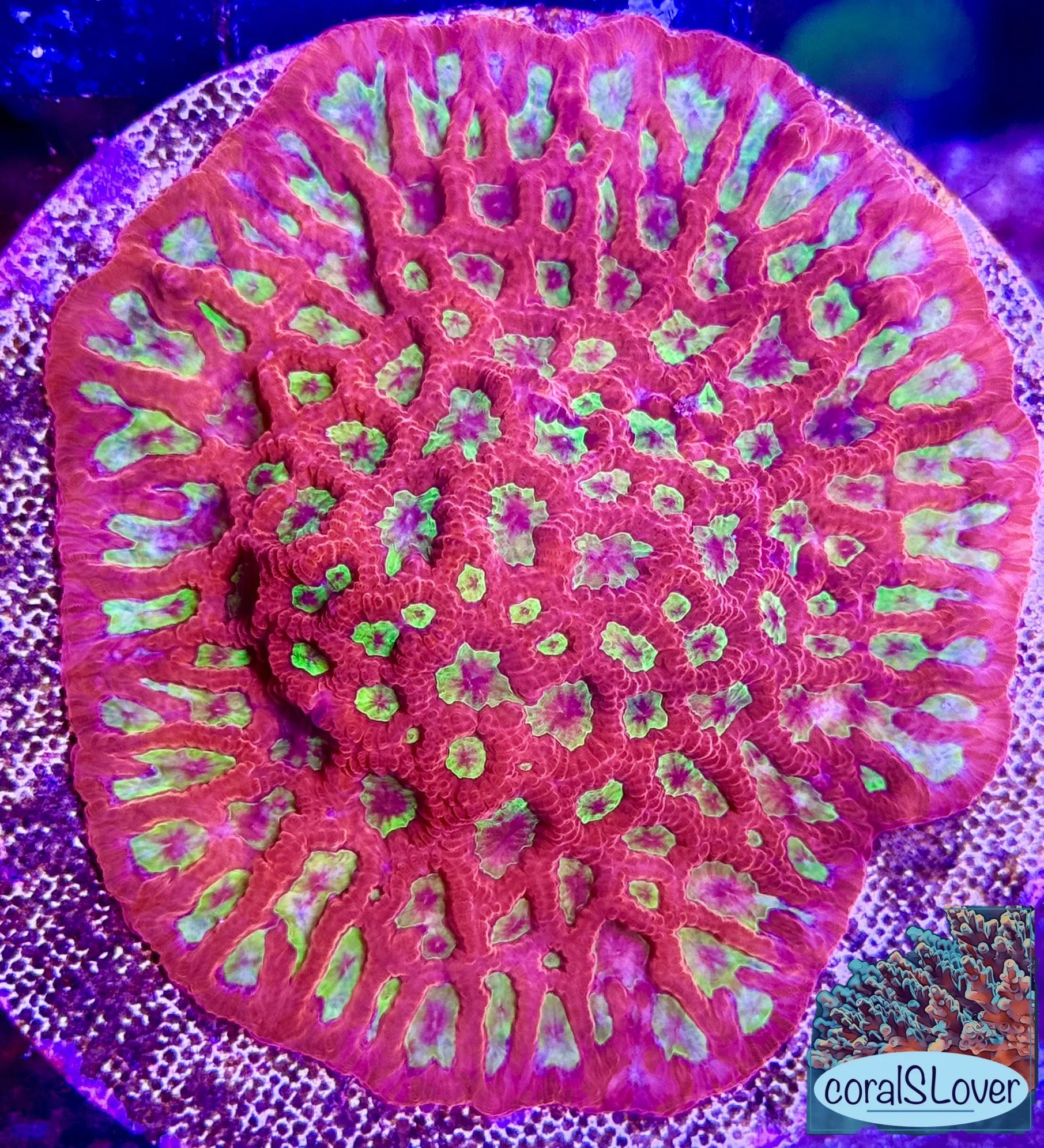
WILD CHERRY FAVIA

$34.95
sold out

WILD CHERRY FAVIA LPS coral, frag up to 1.5''.

Feeding: Although symbiotic algae called zooxanthellae hosted within them supply most of their nutritional requirements through photosynthesis they do benefit from supplemental feedings of Oyster-Feast, mysis shrimp, or finely chopped meaty foods.

Lighting & Flow Requirements: WILD CHERRY Favia Coral requires moderate water flow and low to moderate lighting (PAR 120-250). T5's, Metal Halides, or LED's can all grow Favia Corals when the proper PAR levels are provided. We recommend a 14-20K color spectrum for best coloration.

Care Level: Easy
Lighting Requirements: Low to moderate (PAR 120-250)
Water Flow: Moderate
Aggressiveness: Semi-aggressive
Range: Australia, Indo Pacific
Family: Faviidae

Water Conditions:  75-80° F; sg 1.024-1.026 (1.025 is ideal); pH 8.1-8.4 Ca 420-440 ppm, Alk 8-9.5 dKH, Mg 1260-1350, Nitrates <10ppm, Phosphates, < .10ppm The Twilight Favia coral is easy to keep and grows well in most reef aquariums. They are a great choice for adding a splash of color to lower flow, lower light areas of your reef aquarium.

Water Chemistry: It is important that proper calcium (420-440 ppm), alkalinity (8-9.5 dkh - run it 7-8 if you are carbon dosing) , and magnesium levels (1260-1350 ppm) are maintained. Raising magnesium levels gradually up to 1400-1600 ppm can help to combat algae outbreaks, just keep CA and Alk in line as you raise the Mg. Nitrates should be below 10 ppm and phosphates should be below .10 ppm. We recommend doing a water change when Nitrate levels rise to 10 ppm. It is important to replace your phosphate media when phosphates rise to .10 ppm. Media Reactors make the most efficient use of your phosphate media by fluidizing it.

Dosing: Vivid Aquariums uses and recommends dosing pumps to automate the dosing of additives and keep your levels more constant. A dosing pump can alleviate the chore of manually dosing your aquarium with Ca, Alk, & Mg 2,3, or 4 times per week and will benefit your aquarium by keeping your levels constant through frequent small additions of Ca, Alk, & Mg. Our tanks all progressed when we switched from 3 manual dosings per week to 70 automatic dosings per week and we got a lot more work done.

WILD CHERRY FAVIA LPS coral, frag up to 1.5''.

Feeding: Although symbiotic algae called zooxanthellae hosted within them supply most of their nutritional requirements through photosynthesis they do benefit from supplemental feedings of Oyster-Feast, mysis shrimp, or finely chopped meaty foods.

Lighting & Flow Requirements: WILD CHERRY Favia Coral requires moderate water flow and low to moderate lighting (PAR 120-250). T5's, Metal Halides, or LED's can all grow Favia Corals when the proper PAR levels are provided. We recommend a 14-20K color spectrum for best coloration.

Care Level: Easy
Lighting Requirements: Low to moderate (PAR 120-250)
Water Flow: Moderate
Aggressiveness: Semi-aggressive
Range: Australia, Indo Pacific
Family: Faviidae

Water Conditions:  75-80° F; sg 1.024-1.026 (1.025 is ideal); pH 8.1-8.4 Ca 420-440 ppm, Alk 8-9.5 dKH, Mg 1260-1350, Nitrates <10ppm, Phosphates, < .10ppm The Twilight Favia coral is easy to keep and grows well in most reef aquariums. They are a great choice for adding a splash of color to lower flow, lower light areas of your reef aquarium.

Water Chemistry: It is important that proper calcium (420-440 ppm), alkalinity (8-9.5 dkh - run it 7-8 if you are carbon dosing) , and magnesium levels (1260-1350 ppm) are maintained. Raising magnesium levels gradually up to 1400-1600 ppm can help to combat algae outbreaks, just keep CA and Alk in line as you raise the Mg. Nitrates should be below 10 ppm and phosphates should be below .10 ppm. We recommend doing a water change when Nitrate levels rise to 10 ppm. It is important to replace your phosphate media when phosphates rise to .10 ppm. Media Reactors make the most efficient use of your phosphate media by fluidizing it.

Dosing: Vivid Aquariums uses and recommends dosing pumps to automate the dosing of additives and keep your levels more constant. A dosing pump can alleviate the chore of manually dosing your aquarium with Ca, Alk, & Mg 2,3, or 4 times per week and will benefit your aquarium by keeping your levels constant through frequent small additions of Ca, Alk, & Mg. Our tanks all progressed when we switched from 3 manual dosings per week to 70 automatic dosings per week and we got a lot more work done.

LPS Corals – Colorful, Hardy, and Easy to Enjoy

LPS corals, or Large Polyp Stony Corals, are one of the most popular types of corals for reef aquariums. Unlike SPS corals, which have tiny polyps, LPS corals have larger, fleshy polyps that expand and move with the water, giving them a lively, flowing appearance. Their solid calcium skeletons provide structure to your reef, while their soft, colorful polyps bring vibrant color and texture that can transform a tank into a dynamic underwater garden.

LPS corals are beloved by both beginners and experienced hobbyists because they are hardy and relatively easy to care for, yet still offer striking colors and patterns. Many species, like Acan, Blastomussa, Candy Cane, Chalice, Frogspawn, Galaxea, Hammer, Lobo/Brain, and Torch, can thrive under moderate lighting and medium water flow, making them versatile for most reef setups. Their large mouths allow them to feed effectively, and occasional target feeding can encourage faster growth and more intense coloration.

At coralSLover, all our LPS corals are aquacultured, meaning they are sustainably grown in controlled systems to ensure they adapt successfully to home aquariums. This gives your reef a better chance of thriving, with healthy, vibrant corals that are easier to maintain. Whether you’re starting your first reef or adding colorful accents to an established tank, LPS corals are a favorite choice for creating movement, beauty, and life in any marine display. 

Care at a Glance – LPS Corals

Lighting: Moderate to moderately high lighting brings out vibrant coloration and supports steady growth. Many LPS prefer indirect or slightly shaded areas to avoid tissue stress.

Flow: Moderate, indirect water movement is ideal. Gentle but consistent flow keeps polyps clean and extended without damaging their fleshy tissue.

Placement: Mid to lower rockwork or sandbed is often best. Allow ample space between colonies, as many LPS have long sweeper tentacles and can sting neighbors.

Water Quality: Stable parameters are key — maintain balanced alkalinity, calcium, and magnesium levels with low to moderate nutrients. Sudden changes can stress fleshy polyps.

Feeding: LPS benefit from targeted or occasional broadcast feeding of meaty or particulate foods to support faster growth and vibrant coloration.

Difficulty: Beginner to intermediate friendly — many LPS are hardy but appreciate consistent conditions and occasional feeding for best results.

Sustainability: Fully aquacultured, zero wild collection — responsibly grown and well adapted to aquarium life.