UFO Jawbreaker Hornet Zoanthids Live Aquaculture Coral

from $19.95

UFO Jawbreaker Hornet Zoanthids Live Aquaculture Coral

Classification: High-End Zoanthid Coral

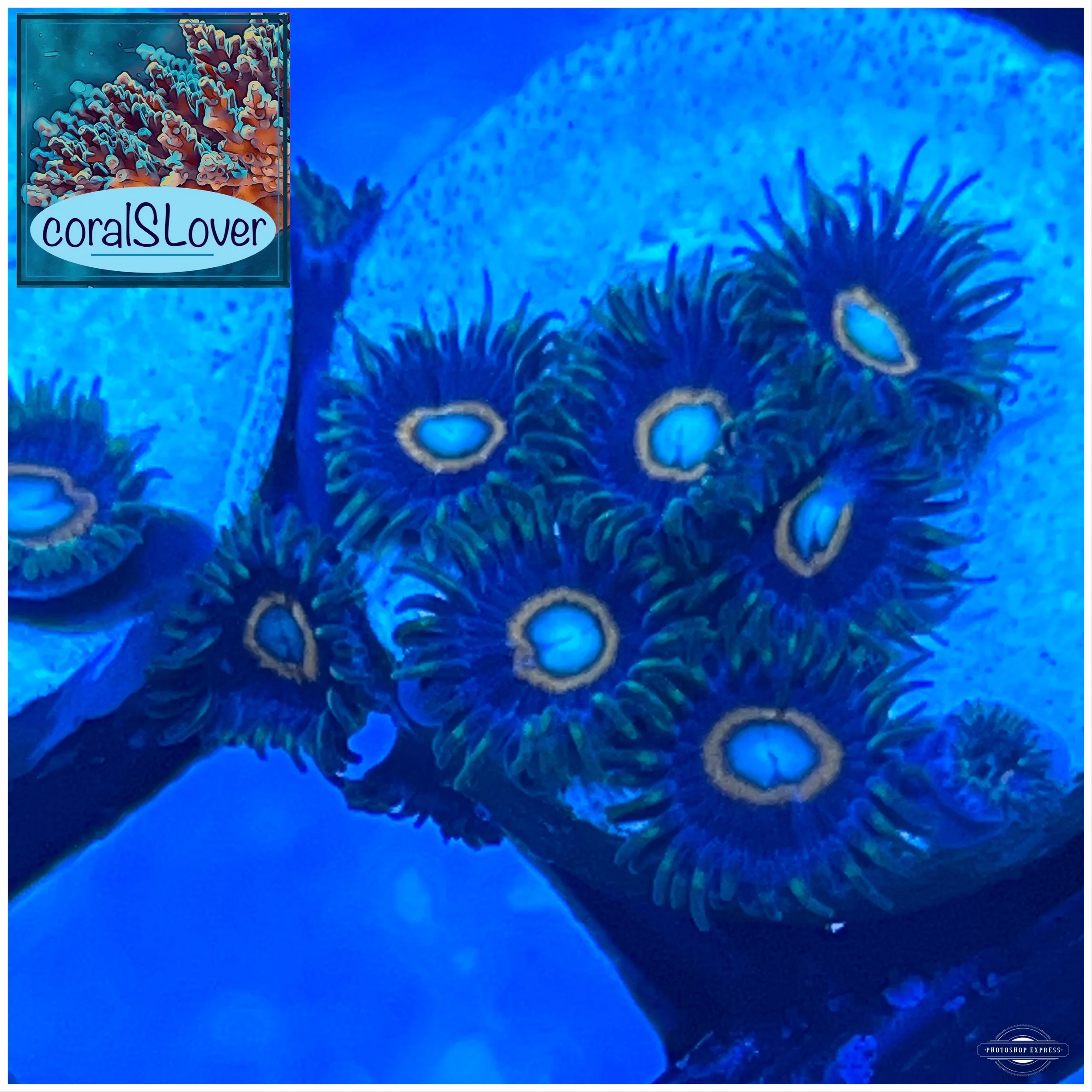
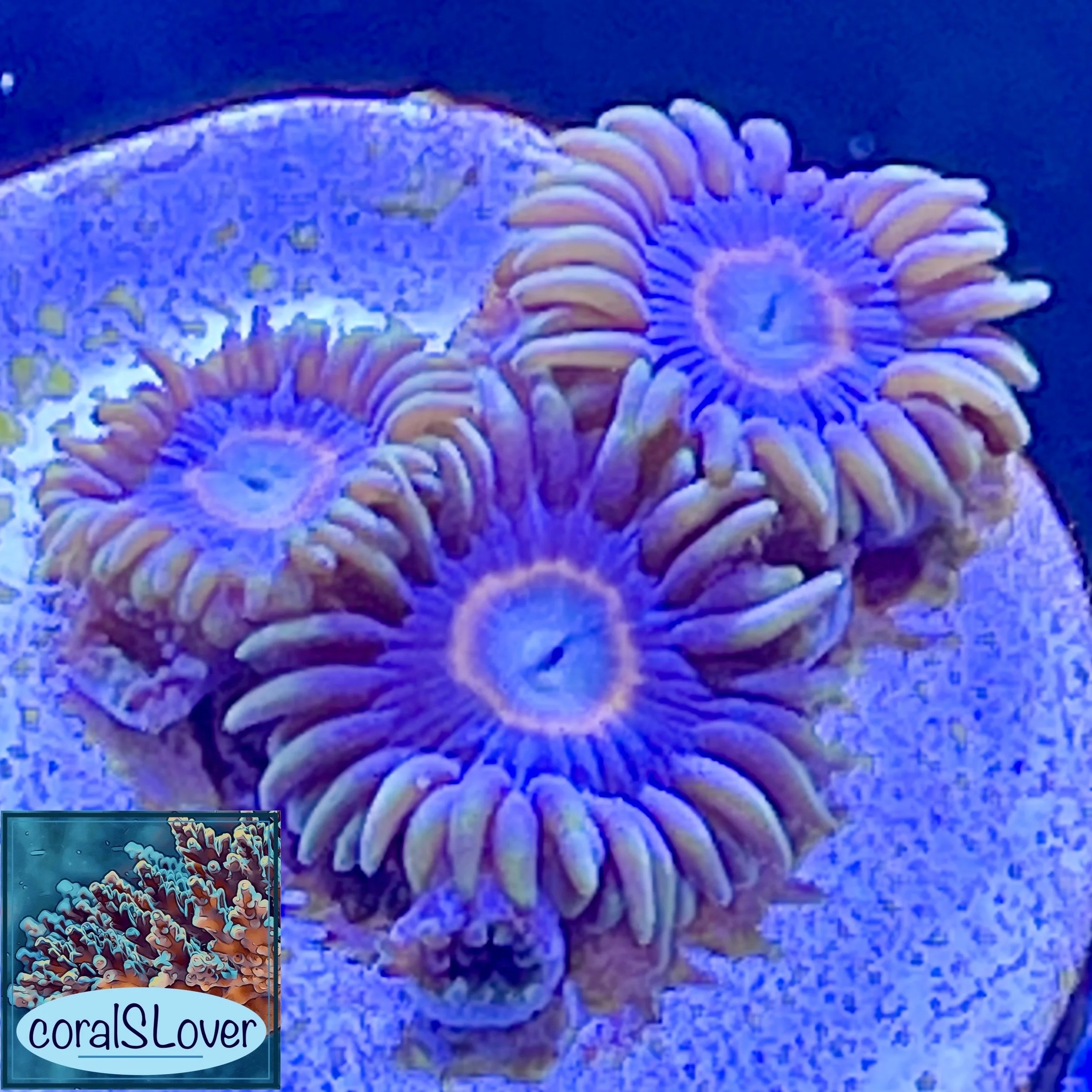
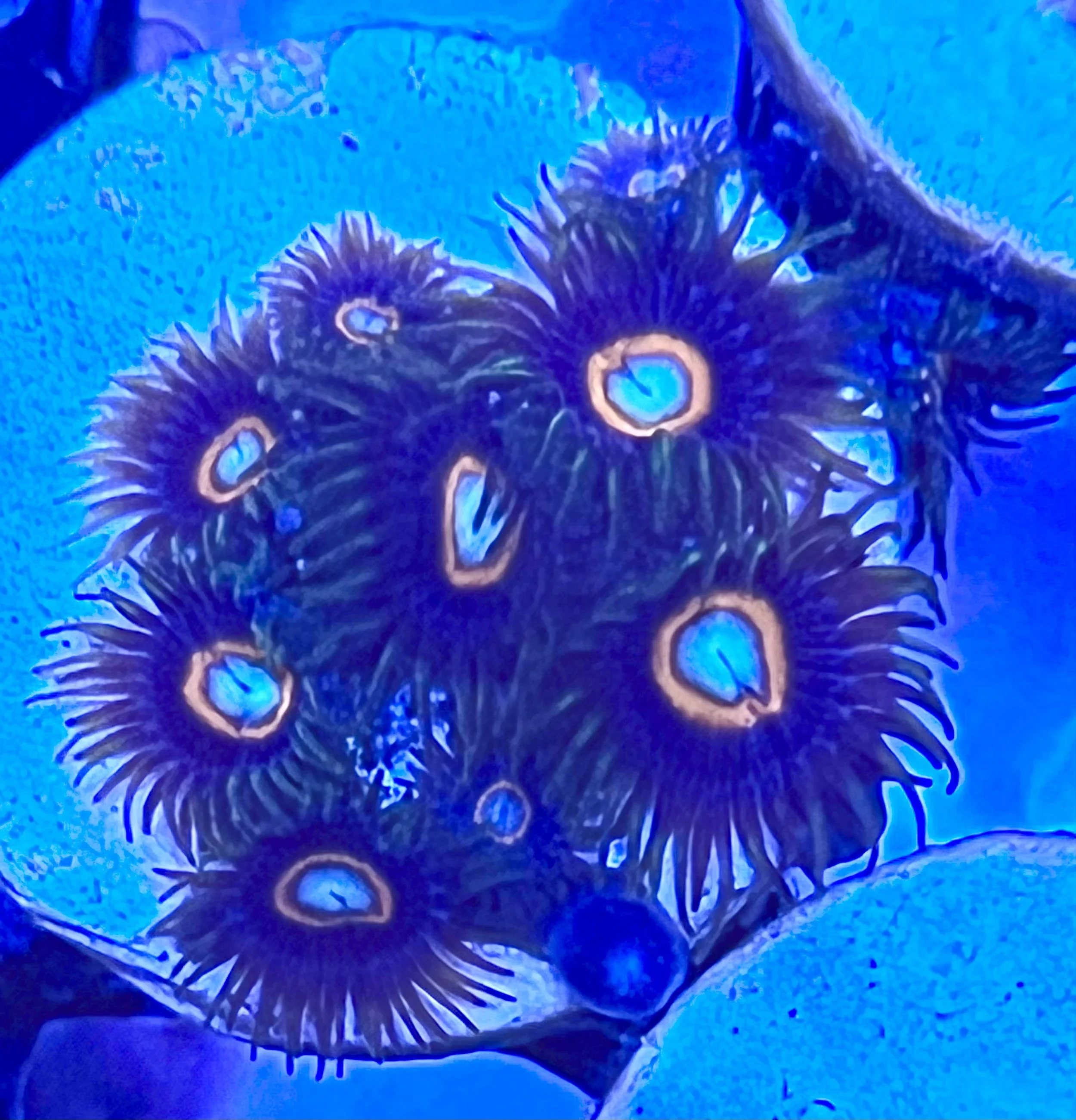
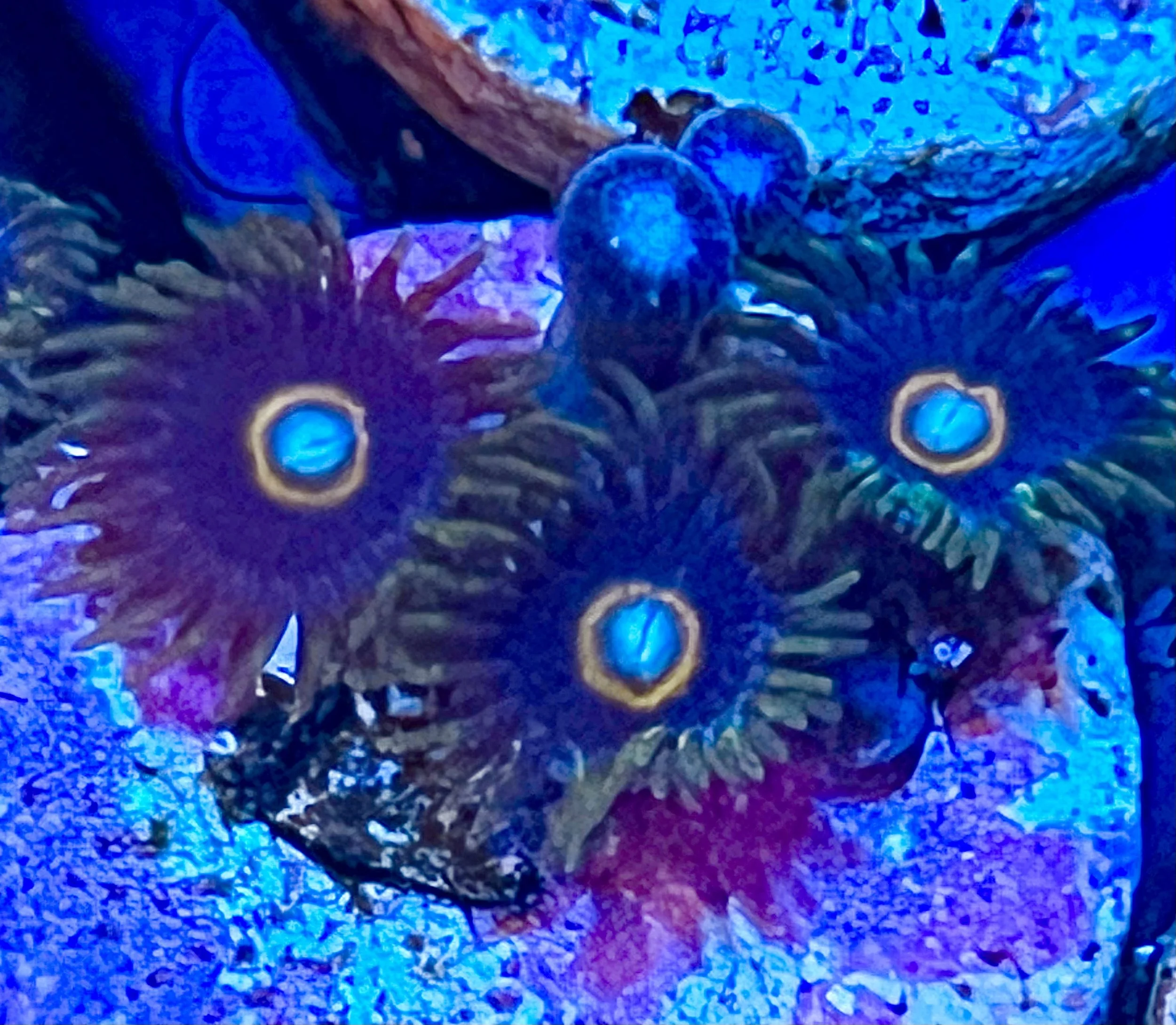
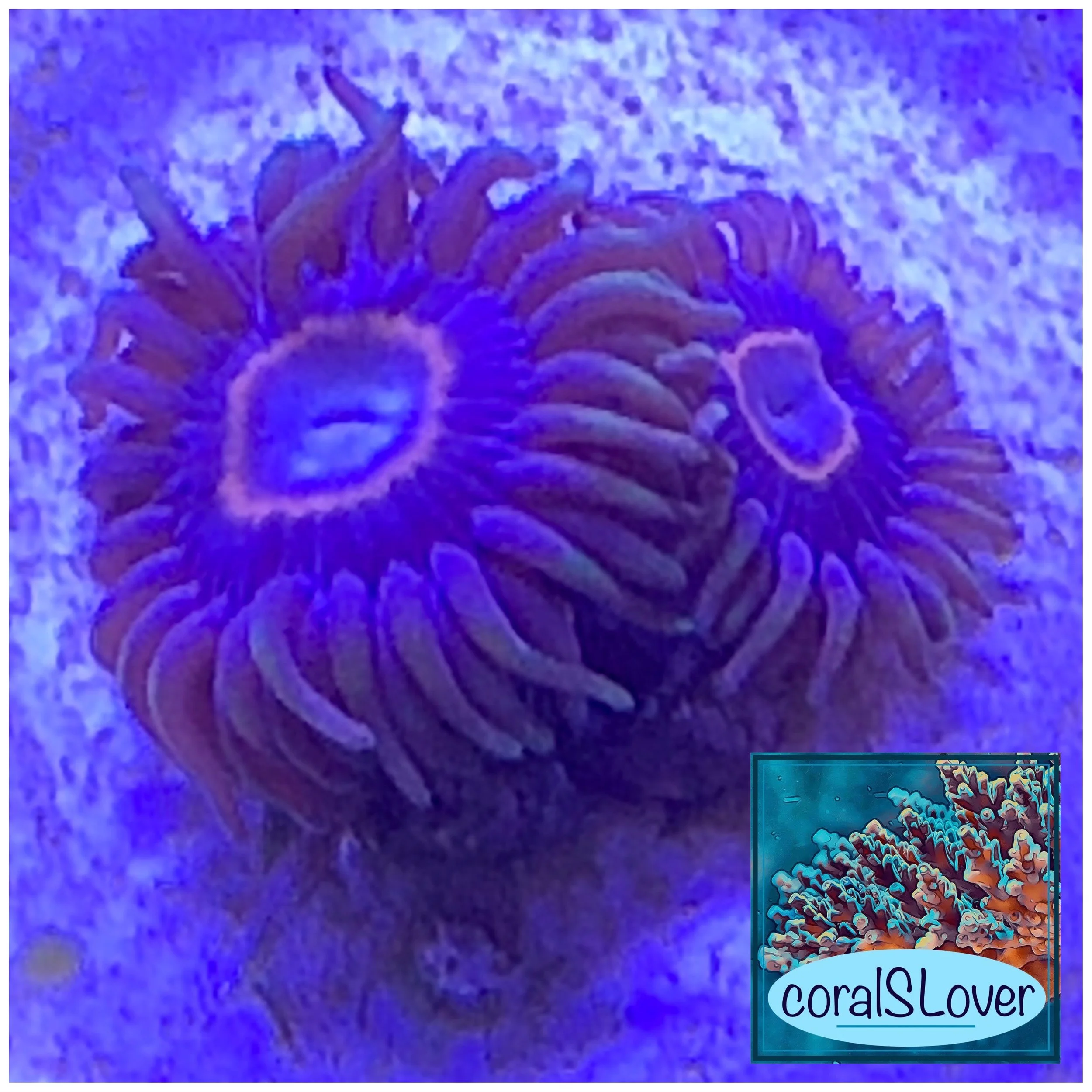
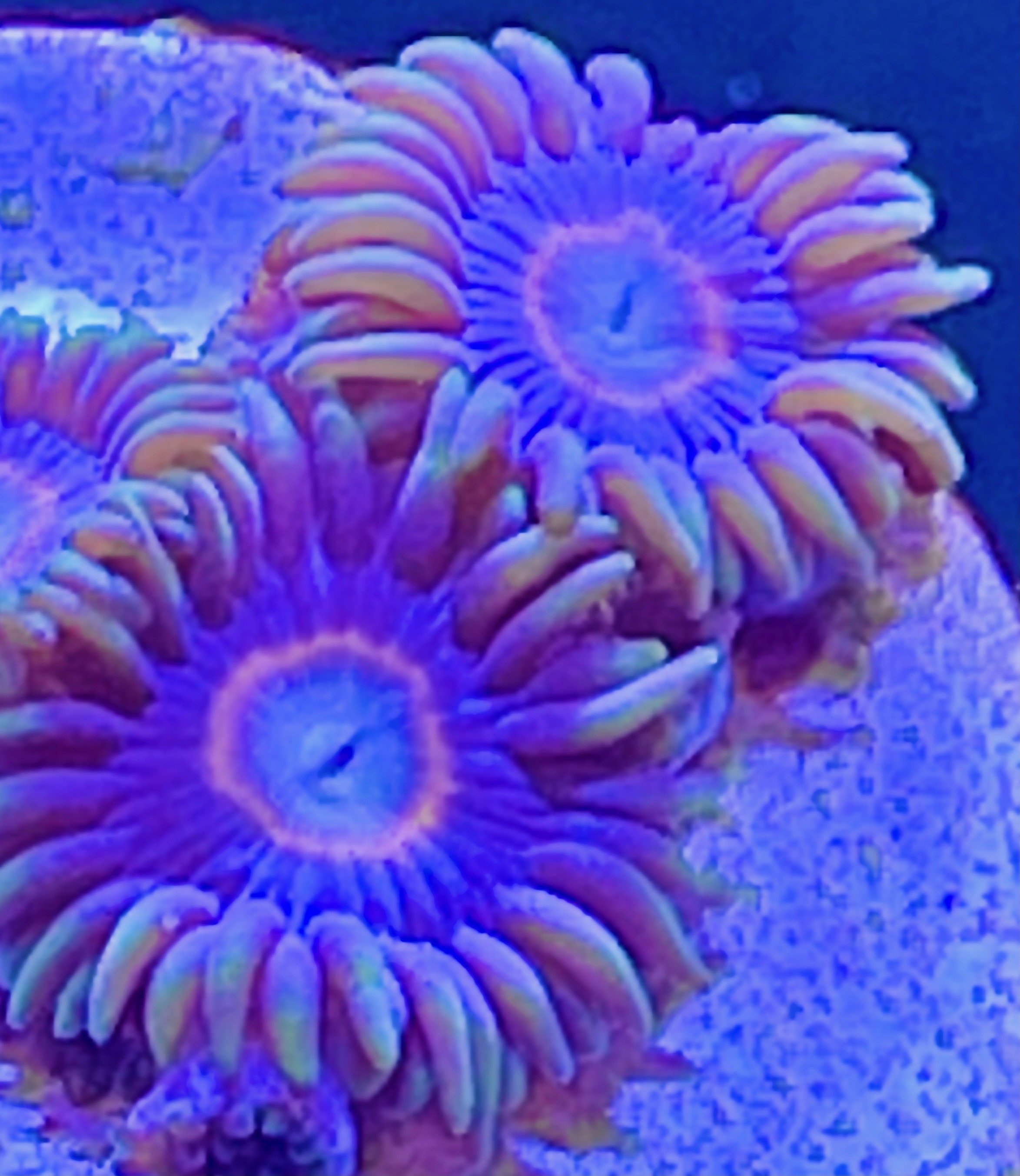
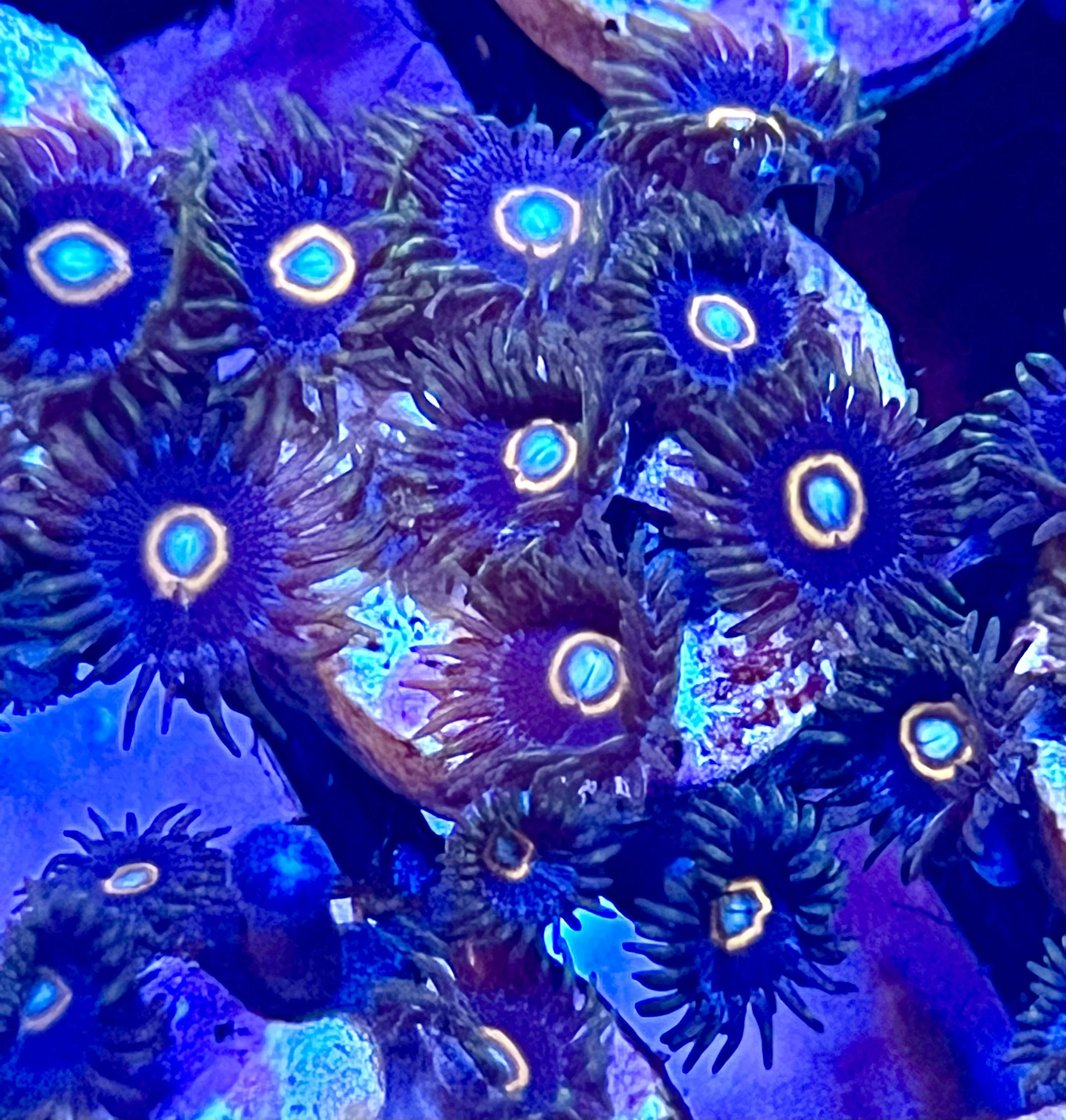
The UFO Jawbreaker Hornet Zoanthids are a rare and visually striking morph prized by collectors for their vibrant, contrasting coloration. Each polyp displays a deep indigo body, green eyelashes, a brilliant orange ring encircling the mouth, and a luminous light-blue oral disc that gives the coral its “UFO” glow. Their small, compact heads add fine detail and depth to any reef aquascape.

At coralSLover®, we carefully propagate each frag in controlled aquaculture systems to ensure consistent color, health, and adaptability. These zoanthids exhibit moderate growth and thrive under balanced lighting and flow conditions, making them a collector-grade coral suited for both experienced and aspiring reef enthusiasts.

The UFO Jawbreaker Hornet Zoanthid qualifies as a High-End Zoanthid Coral, even though the heads are small.

Here’s why:

  1. Rarity & Morph Uniqueness:
    The combination of deep indigo base, bright orange ring, light-blue mouth, and green eyelashes is extremely uncommon in nature and aquaculture. These traits make it a premium morph in the hobby, and “High-End” refers to this unique genetic and color expression rather than head size.

  2. Small Heads ≠ Low Quality:
    In fact, many collector-grade zoanthids (like Rastas, Utter Chaos, Space Chaos, Rainbow Hornets, etc.) naturally have small polyps. Their value comes from color brilliance and rarity, not size.

  3. Scientific Aspect:
    Polyp size variation is genetically regulated and linked to the colony’s morphology. Smaller heads often indicate higher metabolic efficiency and more rapid energy transfer between polyps in compact colonies — it’s a morphological adaptation, not an imperfection.

  4. Market Classification:
    In coralSLover®’s professional tiering, a High-End Zoanthid is typically one that:

    • Is rarely available in trade

    • Exhibits high chromatic contrast

    • Is actively sought after by collectors

UFO Jawbreaker Hornet Zoanthid absolutely fits the High-End Zoanthid Coral category. The small heads only add to its intricate, jewel-like beauty.

Scientific Notes:
Zoanthids of this morph belong to the Zoantharia order, known for their symbiosis with Symbiodinium (zooxanthellae) algae, which provide energy through photosynthesis. Their pigments—particularly fluorescent proteins and carotenoids—produce the brilliant hues observed under reef lighting.

Great For

  • Advanced collectors seeking unique, high-contrast coloration

  • Reef aquariums emphasizing rare and exotic zoanthids

  • Sustainable aquaculture supporters

Free shipping when qualified.

Size:

UFO Jawbreaker Hornet Zoanthids Live Aquaculture Coral

Classification: High-End Zoanthid Coral

The UFO Jawbreaker Hornet Zoanthids are a rare and visually striking morph prized by collectors for their vibrant, contrasting coloration. Each polyp displays a deep indigo body, green eyelashes, a brilliant orange ring encircling the mouth, and a luminous light-blue oral disc that gives the coral its “UFO” glow. Their small, compact heads add fine detail and depth to any reef aquascape.

At coralSLover®, we carefully propagate each frag in controlled aquaculture systems to ensure consistent color, health, and adaptability. These zoanthids exhibit moderate growth and thrive under balanced lighting and flow conditions, making them a collector-grade coral suited for both experienced and aspiring reef enthusiasts.

The UFO Jawbreaker Hornet Zoanthid qualifies as a High-End Zoanthid Coral, even though the heads are small.

Here’s why:

  1. Rarity & Morph Uniqueness:
    The combination of deep indigo base, bright orange ring, light-blue mouth, and green eyelashes is extremely uncommon in nature and aquaculture. These traits make it a premium morph in the hobby, and “High-End” refers to this unique genetic and color expression rather than head size.

  2. Small Heads ≠ Low Quality:
    In fact, many collector-grade zoanthids (like Rastas, Utter Chaos, Space Chaos, Rainbow Hornets, etc.) naturally have small polyps. Their value comes from color brilliance and rarity, not size.

  3. Scientific Aspect:
    Polyp size variation is genetically regulated and linked to the colony’s morphology. Smaller heads often indicate higher metabolic efficiency and more rapid energy transfer between polyps in compact colonies — it’s a morphological adaptation, not an imperfection.

  4. Market Classification:
    In coralSLover®’s professional tiering, a High-End Zoanthid is typically one that:

    • Is rarely available in trade

    • Exhibits high chromatic contrast

    • Is actively sought after by collectors

UFO Jawbreaker Hornet Zoanthid absolutely fits the High-End Zoanthid Coral category. The small heads only add to its intricate, jewel-like beauty.

Scientific Notes:
Zoanthids of this morph belong to the Zoantharia order, known for their symbiosis with Symbiodinium (zooxanthellae) algae, which provide energy through photosynthesis. Their pigments—particularly fluorescent proteins and carotenoids—produce the brilliant hues observed under reef lighting.

Great For

  • Advanced collectors seeking unique, high-contrast coloration

  • Reef aquariums emphasizing rare and exotic zoanthids

  • Sustainable aquaculture supporters

Free shipping when qualified.

Zoanthus (Zoas) – The Flowers of the Reef

Zoanthus, often called Zoas, are among the most popular and beginner-friendly corals in the reef-keeping hobby. Known as the “flowers of the reef,” they come in an endless variety of breathtaking color morphs—ranging from fiery oranges and glowing greens to neon blues and rainbow patterns. With their compact size and vibrant polyps, Zoas allow aquarists to create living gardens that transform aquariums into radiant underwater landscapes.

One of the most exciting aspects of Zoanthus is their rapid growth. When kept in stable conditions, they spread into colorful mats that cover rockwork and fill in empty spaces. Each polyp is unique, and the possibilities for mixing and matching morphs are virtually unlimited, making them a favorite for collectors who enjoy building diverse Zoa gardens.

Zoanthus are incredibly adaptable and can thrive in a wide range of aquarium conditions. They do well under medium to high lighting, with their brightest colors glowing under actinic or blue-spectrum light. They prefer medium to strong indirect water flow, which keeps polyps clean while allowing them to sway naturally. Zoas can be placed almost anywhere in the tank, from the sandbed to the rockwork. They are not inherently aggressive, though their rapid growth can make them invasive if left unchecked, as colonies may overgrow slower-growing corals. While they gain much of their energy from light, Zoanthus also benefit from nutrient-rich environments and occasional feeding, which can encourage faster growth and even more vibrant colors.

At coralSLover, we proudly offer a curated selection of aquacultured Zoanthus in many stunning morphs. Whether you are new to reef-keeping or a seasoned collector, these hardy and colorful corals will mesmerize you with their beauty and adaptability. Build your own Zoa garden and experience firsthand why Zoanthus remain one of the most beloved corals in the reefing world.

Care & Placement Zoanthids

Lighting:

Spiderman Zoas thrive under moderate to high lighting, with their colors glowing most intensely under actinic/blue spectrum light. Always acclimate new frags gradually to avoid light shock and stress.

Flow:

A moderate water flow is ideal—enough to keep the polyps clean and gently moving. Too much flow can inhibit full extension, while too little may allow detritus to accumulate.

Placement:

Place frags on rock islands, frag racks, lower or middle rockwork, where they can encrust and spread into vibrant colonies. Vertical placement can help encourage fuller polyp extension.

Growth:

Once established, Spiderman Zoas show steady to fast growth, forming colorful mats that make excellent focal points in a Zoa garden.

Difficulty:

Beginner to intermediate friendly—these Zoas are hardy, adaptable, and rewarding under stable reef conditions.

Sustainability:

This coral is fully aquacultured and never wild-collected, supporting eco-conscious and responsible reef keeping.