24K Gold Ring Lord Acan

from $79.95

24K Gold Ring Acan Lord – Live Aquaculture LPS Coral | coralSLover®

Classification: High-End LPS Coral (Acanthastrea lordhowensis)
Type: Large Polyp Stony Coral | Aquacultured | 1.5”+ Frags | Zero Wild Collection

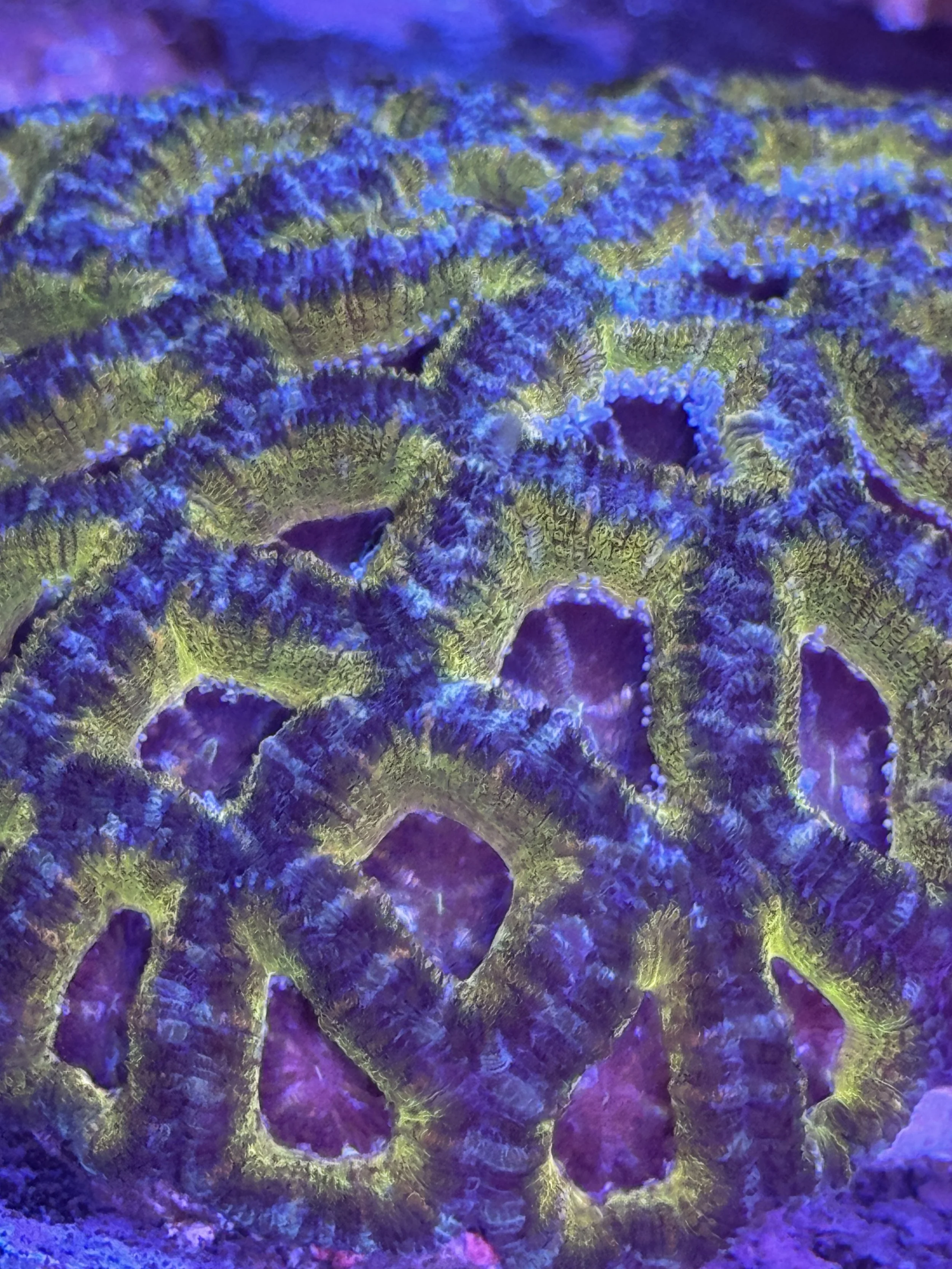
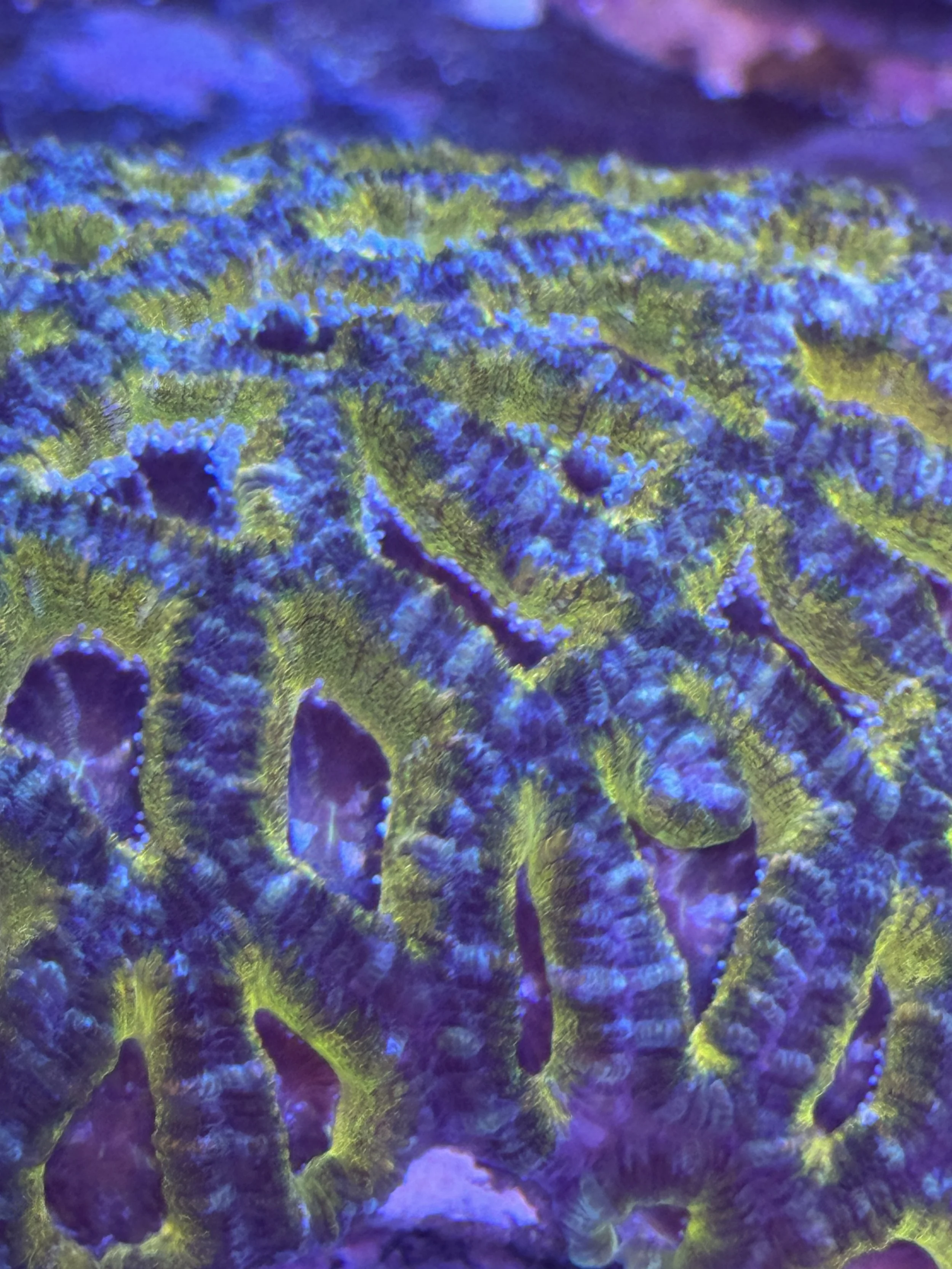
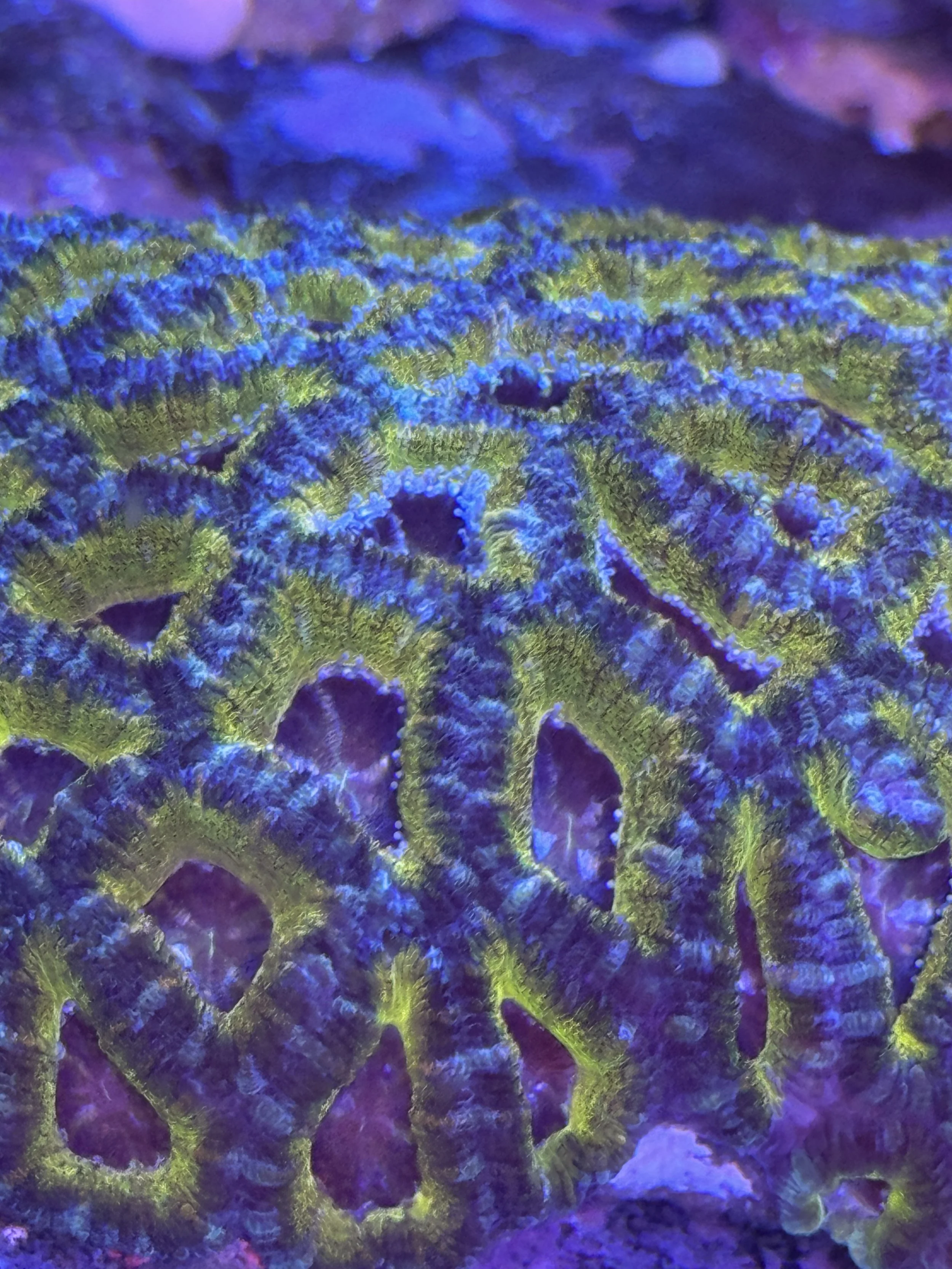
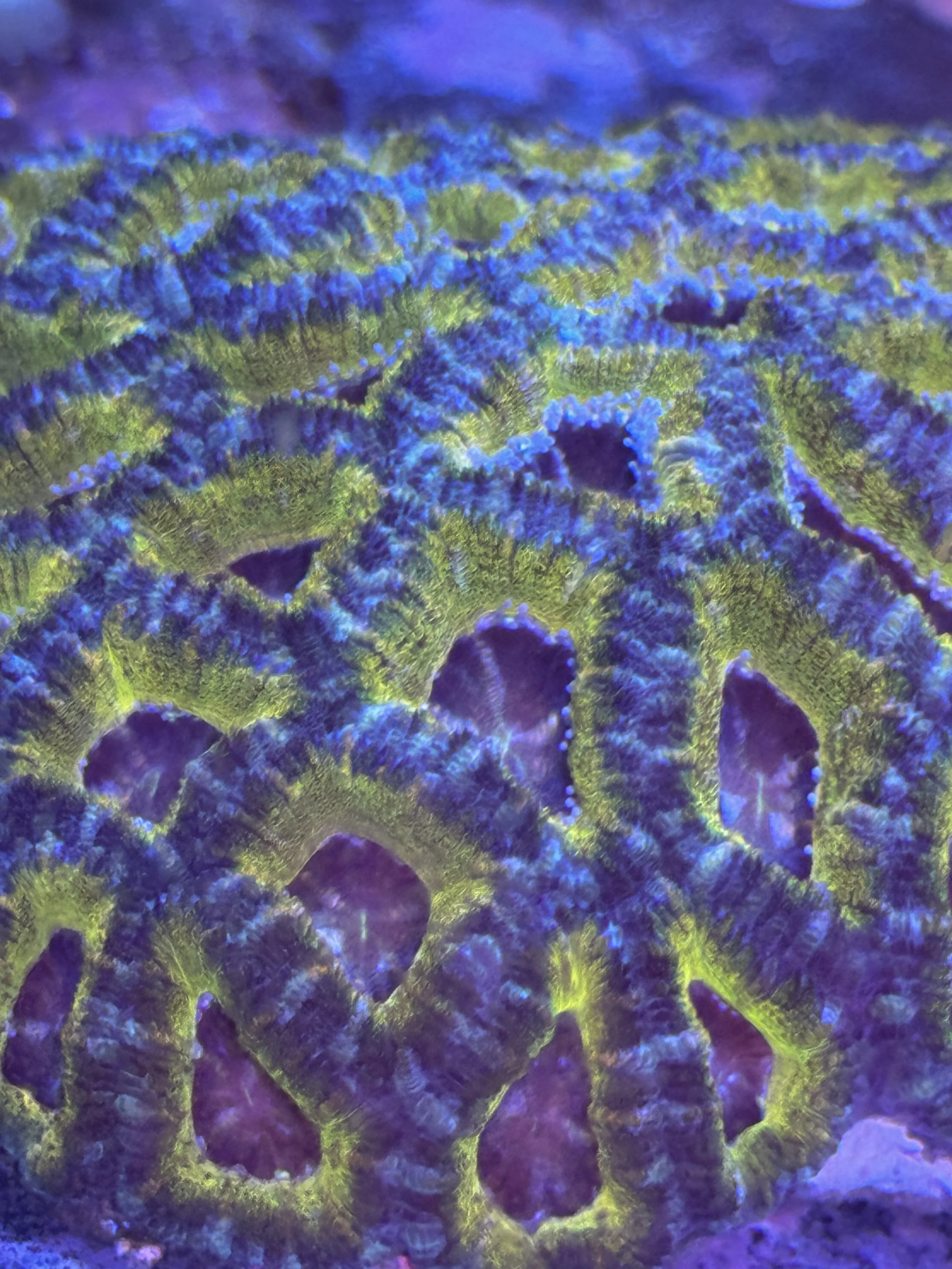
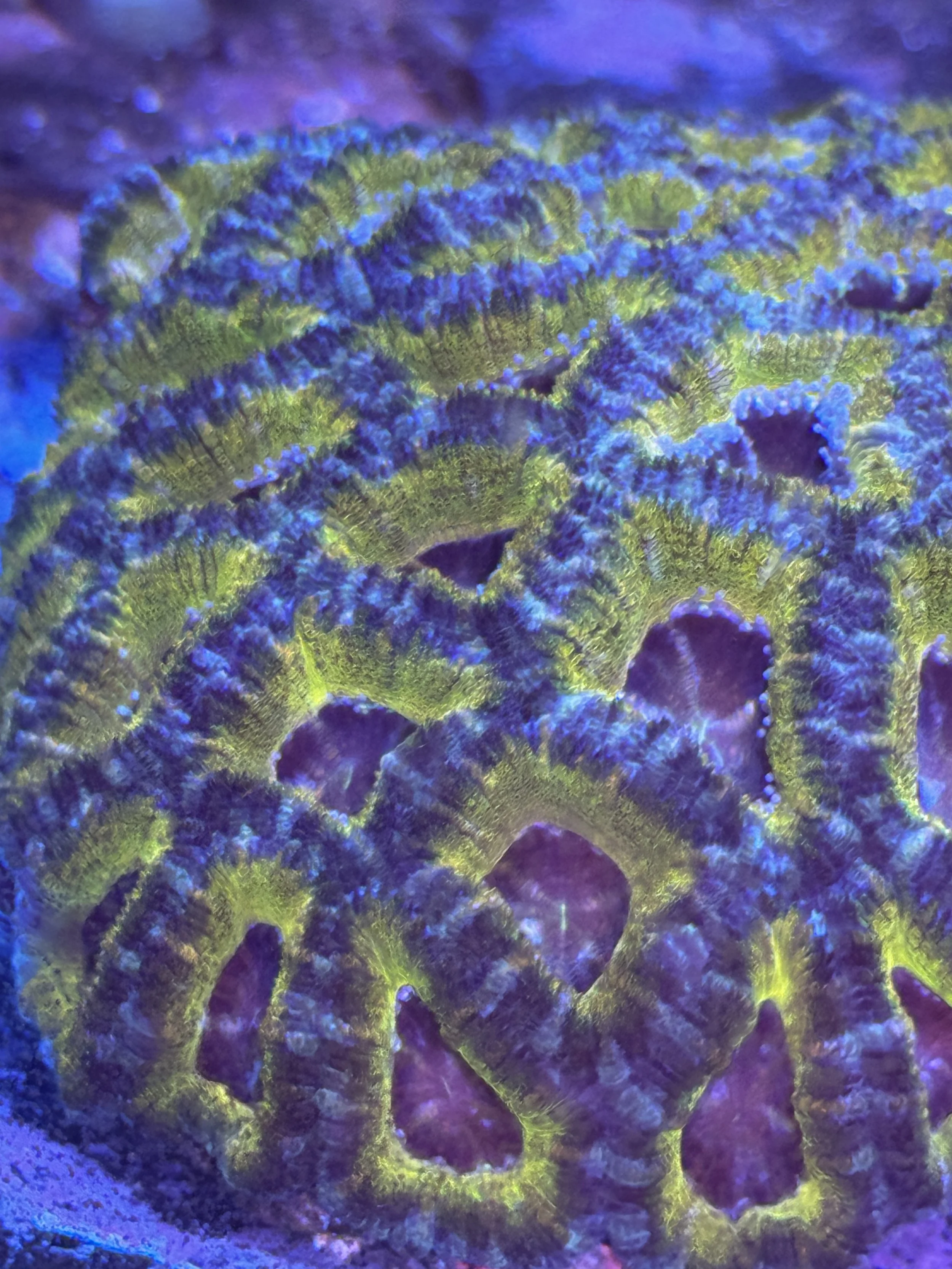
The 24K Gold Ring Acan Lord is one of the most visually breathtaking LPS corals in the reef hobby, celebrated for its rich metallic golden rings that radiate from a deep crimson-to-purple base. Each fleshy polyp forms a luminous ring pattern resembling molten gold under actinic or blue LED lighting, creating an unmistakable glow that enhances any reef aquarium.

This coral’s unique color morphology results from high concentrations of fluorescent proteins and pigments that reflect yellow and red wavelengths, producing a vibrant shimmer effect under both daylight and reef-spectrum lighting. At coralSLover®, our aquacultured lineage of this morph has been selectively propagated for color stability and robust growth.

Scientific Information

Genus:Acanthastrea
Species:Acanthastrea lordhowensis
Family: Lobophylliidae
Common Names: Acan Lord, Lord Coral, Micromussa Lord, 24K Gold Ring Acan
Coloration: Golden-yellow rings with deep red, purple, and orange base tones; turquoise highlights may appear under actinic lighting.
Polyp Structure: Large, fleshy polyps forming distinct concentric rings with visible septal ridges.
Symbiosis: Contains Symbiodiniaceae (zooxanthellae) for photosynthesis.
Growth Form: Colonial—new polyps bud laterally from a shared skeletal base.
Reproduction: Asexual budding and tissue expansion; capable of forming dense colonies over time.

Care & Placement for Lord Acan

Lighting: Moderate; spectrum between 10,000K and 20,000K. Golden pigments fluoresce brightest under actinic or blue lighting.
Flow: Low to moderate; strong currents can cause tissue recession.
Placement: Mid-to-lower reef zones with ample spacing from aggressive species; polyps extend at night for feeding.
Feeding: While primarily photosynthetic, Acan Lords benefit greatly from target feeding with meaty foods such as mysis shrimp, reef roids, or fine coral blends 2–3× per week.

Growth Behavior

Under stable water chemistry and moderate light, this coral exhibits steady growth, forming cohesive colonies with multiple heads. The fleshy tissue expands dramatically during feeding periods and retracts slightly at night. Over time, colonies form undulating, dome-like structures that accentuate their intricate color gradients.

Scientific Background

Acanthastrea lordhowensis is a large-polyp stony coral native to Indo-Pacific reefs, particularly the Great Barrier Reef and Lord Howe Island. It occupies low-light, protected reef slopes and lagoons, where gentle water movement promotes nutrient absorption. In aquaculture, it adapts readily to captive environments and is among the most resilient species within its genus.

Modern molecular research places Acanthastrea closely with Micromussa within the Lobophylliidae family, distinguished by its thick skeletal septa and fleshy polyp texture. Its fluorescent gold pigmentation arises from chromoproteins that respond to blue wavelengths, helping the coral regulate light intensity and enhance photosynthetic efficiency.

Ecological & Aesthetic Role

In natural reef ecosystems, Acanthastrea lordhowensis contributes to habitat formation and biodiversity by providing structure and microhabitats for small invertebrates. In aquariums, it functions as both a visual focal point and a stabilizing biological filter, improving nutrient cycling and balance.

Its glowing gold rings and vivid contrasts make it a centerpiece coral for collectors seeking luxury-grade aquaculture specimens that thrive long-term in home reef systems.

Available Sizes

  • Frags: Frag on 1.5”plag about 1-3 Heads

  • Colonies: Available periodically through our aquaculture program

Great For

Intermediate to advanced reef aquarists seeking a collector-grade, sustainably aquacultured LPS coral that combines color intensity, manageable care, and long-term stability.

Free Shipping When Qualified.

Size:

24K Gold Ring Acan Lord – Live Aquaculture LPS Coral | coralSLover®

Classification: High-End LPS Coral (Acanthastrea lordhowensis)
Type: Large Polyp Stony Coral | Aquacultured | 1.5”+ Frags | Zero Wild Collection

The 24K Gold Ring Acan Lord is one of the most visually breathtaking LPS corals in the reef hobby, celebrated for its rich metallic golden rings that radiate from a deep crimson-to-purple base. Each fleshy polyp forms a luminous ring pattern resembling molten gold under actinic or blue LED lighting, creating an unmistakable glow that enhances any reef aquarium.

This coral’s unique color morphology results from high concentrations of fluorescent proteins and pigments that reflect yellow and red wavelengths, producing a vibrant shimmer effect under both daylight and reef-spectrum lighting. At coralSLover®, our aquacultured lineage of this morph has been selectively propagated for color stability and robust growth.

Scientific Information

Genus:Acanthastrea
Species:Acanthastrea lordhowensis
Family: Lobophylliidae
Common Names: Acan Lord, Lord Coral, Micromussa Lord, 24K Gold Ring Acan
Coloration: Golden-yellow rings with deep red, purple, and orange base tones; turquoise highlights may appear under actinic lighting.
Polyp Structure: Large, fleshy polyps forming distinct concentric rings with visible septal ridges.
Symbiosis: Contains Symbiodiniaceae (zooxanthellae) for photosynthesis.
Growth Form: Colonial—new polyps bud laterally from a shared skeletal base.
Reproduction: Asexual budding and tissue expansion; capable of forming dense colonies over time.

Care & Placement for Lord Acan

Lighting: Moderate; spectrum between 10,000K and 20,000K. Golden pigments fluoresce brightest under actinic or blue lighting.
Flow: Low to moderate; strong currents can cause tissue recession.
Placement: Mid-to-lower reef zones with ample spacing from aggressive species; polyps extend at night for feeding.
Feeding: While primarily photosynthetic, Acan Lords benefit greatly from target feeding with meaty foods such as mysis shrimp, reef roids, or fine coral blends 2–3× per week.

Growth Behavior

Under stable water chemistry and moderate light, this coral exhibits steady growth, forming cohesive colonies with multiple heads. The fleshy tissue expands dramatically during feeding periods and retracts slightly at night. Over time, colonies form undulating, dome-like structures that accentuate their intricate color gradients.

Scientific Background

Acanthastrea lordhowensis is a large-polyp stony coral native to Indo-Pacific reefs, particularly the Great Barrier Reef and Lord Howe Island. It occupies low-light, protected reef slopes and lagoons, where gentle water movement promotes nutrient absorption. In aquaculture, it adapts readily to captive environments and is among the most resilient species within its genus.

Modern molecular research places Acanthastrea closely with Micromussa within the Lobophylliidae family, distinguished by its thick skeletal septa and fleshy polyp texture. Its fluorescent gold pigmentation arises from chromoproteins that respond to blue wavelengths, helping the coral regulate light intensity and enhance photosynthetic efficiency.

Ecological & Aesthetic Role

In natural reef ecosystems, Acanthastrea lordhowensis contributes to habitat formation and biodiversity by providing structure and microhabitats for small invertebrates. In aquariums, it functions as both a visual focal point and a stabilizing biological filter, improving nutrient cycling and balance.

Its glowing gold rings and vivid contrasts make it a centerpiece coral for collectors seeking luxury-grade aquaculture specimens that thrive long-term in home reef systems.

Available Sizes

  • Frags: Frag on 1.5”plag about 1-3 Heads

  • Colonies: Available periodically through our aquaculture program

Great For

Intermediate to advanced reef aquarists seeking a collector-grade, sustainably aquacultured LPS coral that combines color intensity, manageable care, and long-term stability.

Free Shipping When Qualified.

LPS Corals – Colorful, Hardy, and Easy to Enjoy

LPS corals, or Large Polyp Stony Corals, are one of the most popular types of corals for reef aquariums. Unlike SPS corals, which have tiny polyps, LPS corals have larger, fleshy polyps that expand and move with the water, giving them a lively, flowing appearance. Their solid calcium skeletons provide structure to your reef, while their soft, colorful polyps bring vibrant color and texture that can transform a tank into a dynamic underwater garden.

LPS corals are beloved by both beginners and experienced hobbyists because they are hardy and relatively easy to care for, yet still offer striking colors and patterns. Many species, like Acan, Blastomussa, Candy Cane, Chalice, Frogspawn, Galaxea, Hammer, Lobo/Brain, and Torch, can thrive under moderate lighting and medium water flow, making them versatile for most reef setups. Their large mouths allow them to feed effectively, and occasional target feeding can encourage faster growth and more intense coloration.

At coralSLover, all our LPS corals are aquacultured, meaning they are sustainably grown in controlled systems to ensure they adapt successfully to home aquariums. This gives your reef a better chance of thriving, with healthy, vibrant corals that are easier to maintain. Whether you’re starting your first reef or adding colorful accents to an established tank, LPS corals are a favorite choice for creating movement, beauty, and life in any marine display. 

Care at a Glance – LPS Corals

Lighting: Moderate to moderately high lighting brings out vibrant coloration and supports steady growth. Many LPS prefer indirect or slightly shaded areas to avoid tissue stress.

Flow: Moderate, indirect water movement is ideal. Gentle but consistent flow keeps polyps clean and extended without damaging their fleshy tissue.

Placement: Mid to lower rockwork or sandbed is often best. Allow ample space between colonies, as many LPS have long sweeper tentacles and can sting neighbors.

Water Quality: Stable parameters are key — maintain balanced alkalinity, calcium, and magnesium levels with low to moderate nutrients. Sudden changes can stress fleshy polyps.

Feeding: LPS benefit from targeted or occasional broadcast feeding of meaty or particulate foods to support faster growth and vibrant coloration.

Difficulty: Beginner to intermediate friendly — many LPS are hardy but appreciate consistent conditions and occasional feeding for best results.

Sustainability: Fully aquacultured, zero wild collection — responsibly grown and well adapted to aquarium life.